Canada’s Leading International Affairs Program Celebrates 60th Anniversary
By Dan Rubinstein
When Yiagadeesen (Teddy) Samy began teaching at Carleton’s Norman Paterson School of International Affairs (NPSIA) in 2003, it was the only program of its kind in Canada, launching graduates into impactful careers in government, policy, diplomacy, the non-profit sector and related fields.
Over the intervening 23 years, despite growing competition from universities across the country and an increasingly chaotic geopolitical landscape, NPSIA has remained at the top of its class.
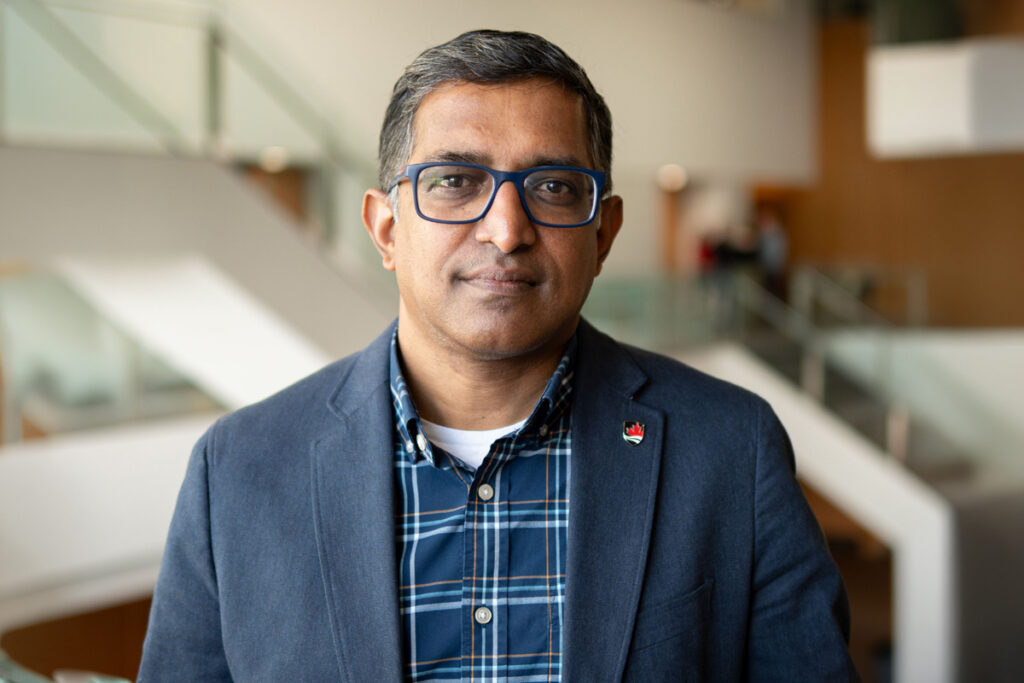
Established in 1966 during the golden age of Canadian diplomacy, when this country exerted an outsized influence on global politics, the school is marking its 60th anniversary this year. And an argument can be made, as Canada emerges as a leader amongst middle power nations, that it remains more relevant and necessary than ever.
“We’ve maintained our reputation and our alumni go on to do incredible things,” says Samy, who has served as NPSIA’s director since 2017.
“There’s been so much turbulence in the world lately, but we’ve continued to adjust and improve the programs we offer. We’re constantly innovating — adding a new collaborative specialization in cybersecurity, for instance — to provide an education that’s right for the current moment.”
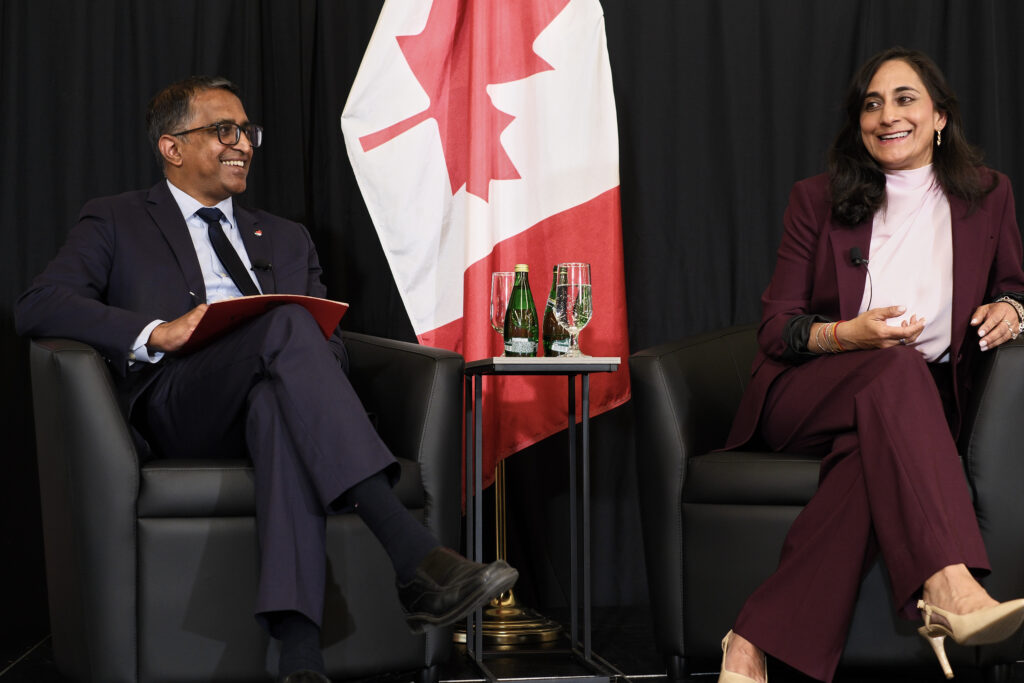
NPSIA celebrated its birthday with an event featuring Canada’s Minister of Foreign Affairs, Anita Anand, in Richcraft Hall on Sept. 18. Minister Anand delivered a keynote address about multilateralism in a complex world, followed by a Q&A with Samy and the audience, and a reception for all of the students, alumni, faculty and community partners in attendance.
International Expertise
In addition to this celebration, anniversaries are an opportunity to look back and reflect on what organizations have accomplished and how they’ve evolved.
To Samy, NPSIA’s success is inseparable from the many students and scholars who’ve passed through the school’s doors over the years.
Whether longtime faculty members or more recent arrivals, NPSIA’s professors do research and provide guidance that helps Canada navigate complex international waters.” We’ve hired people in specific areas,” says Samy, “to build capacity where it’s most needed.”
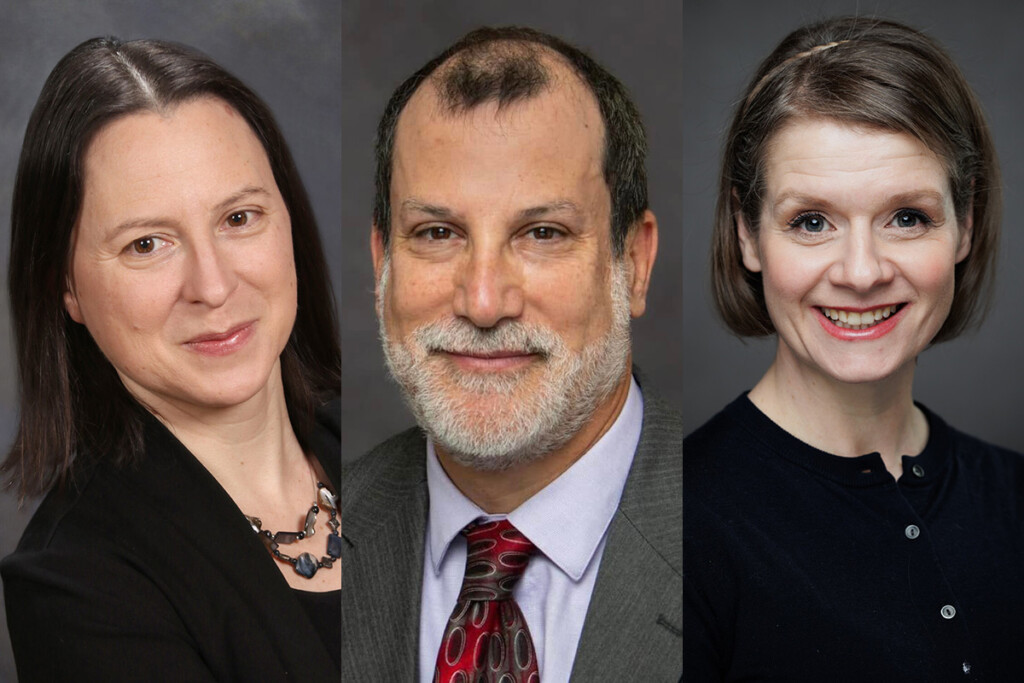
At the risk of overlooking so many other notable names, Stephanie Carvin and Leah West offer strategic direction on national security matters. Lama Mourad is a sought-after expert on migration issues. Elisabeth Gilmore is an international climate change leader. Stephen Saideman is an authority on defence. Michael Manulak anchors the school’s diplomacy and foreign policy cluster.
Prominent alumni include Senator Peter Boehm and Margaret Biggs, the former president of the Canadian International Development Agency.
And whenever the federal government announces a new slate of ambassadorial appointments, there are almost always NPSIA grads on the list, including July 2025, when Alison Grant was assigned to Austria, Craig Kowalik went to Ecuador and James Nickel landed in Vietnam. Another alum, Larisa Galadza, served as Canada’s ambassador to Ukraine until 2023.
Foreign ambassadors are front and centre, meanwhile, at NPSIA’s annual Ambassador Speaker Series, which earlier in 2026 welcomed Geneviève Tuts, who helms the European Union’s delegation to Canada, and Wang Di, China’s ambassador to Canada.
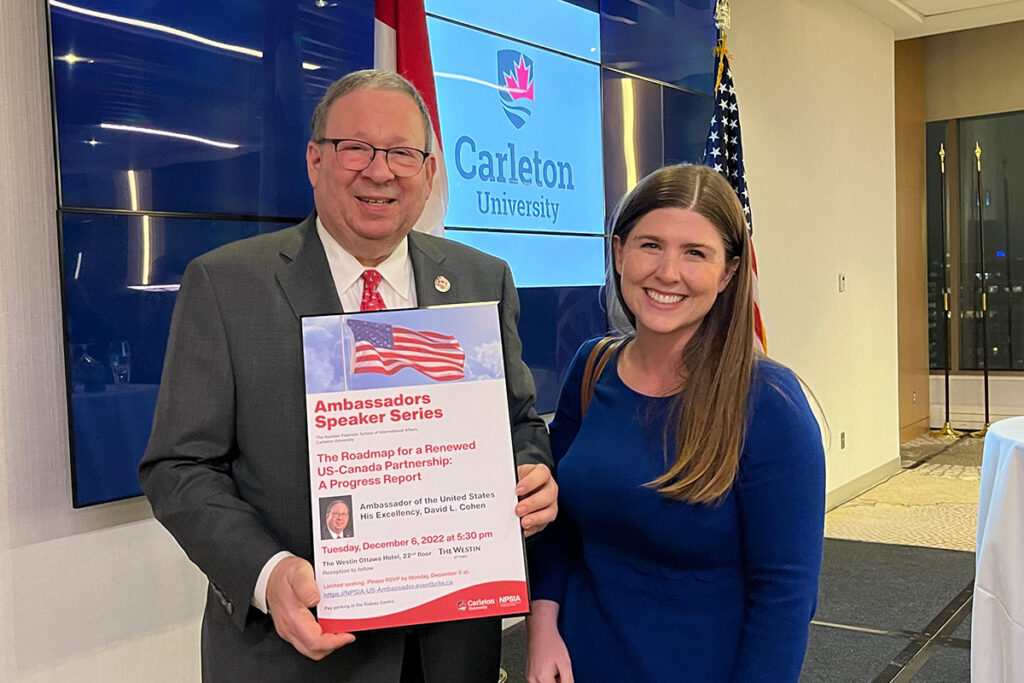
These popular gatherings epitomize Carleton’s “capital advantage” — the university’s unique access to embassies, federal government department and agencies, and the offices of national and international non-profits.
“Every diplomat in Ottawa wants to come to our campus,” says Samy.
“They recognize the connections that we have to the Canadian government and policy community. And these types of experiences go beyond what students are exposed to in the classroom.”
Imitation is Flattery
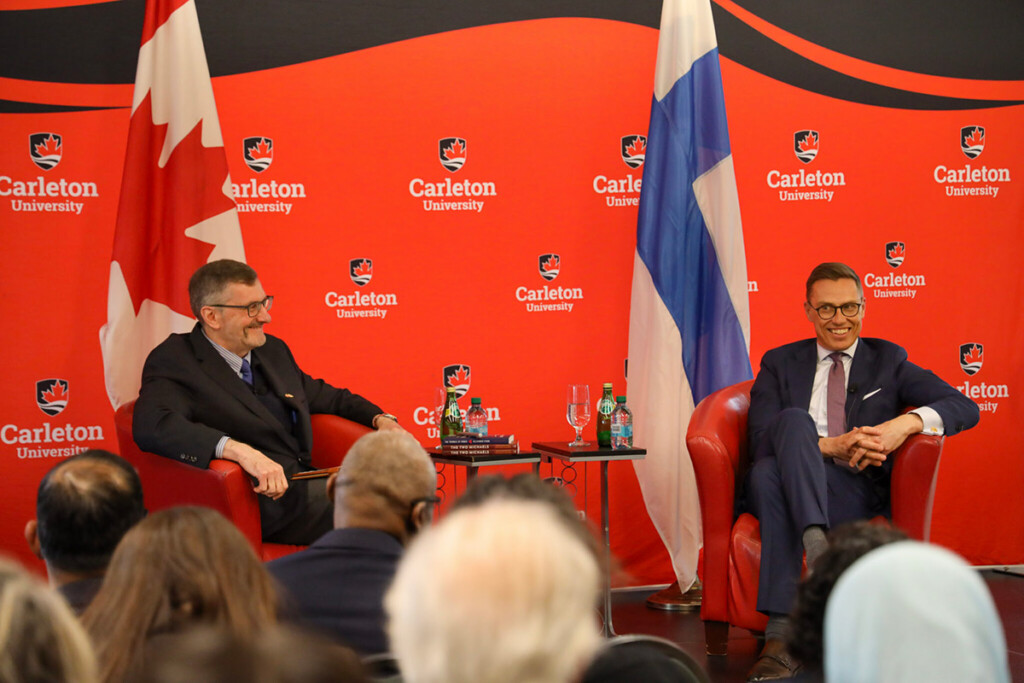
Last April, NPSIA organized an event at Carleton with Alexander Stubb, the president of Finland, who discussed geopolitical fragmentation in an armchair conversation with Prof. Fen Hampson.
Hampson’s name is synonymous with NPSIA. He started teaching at the school in 1986, when most professors were cross appointed to other departments, and was its director from 2000 to 2012.
The interdisciplinary strength of the school’s faculty and the “value-added” elements of a NPSIA education give graduates a head start on their careers wherever they work, says Hampson. When he was director, six senior vice-presidents at Canada’s big banks were alumni.
“The fact that other Canadian universities have launched international affairs programs drives home the point that imitation is the highest form of flattery,” says Hampson.
“We are still one of Carleton’s flagship programs. You don’t stay in business for 60 years if you’re providing something that people don’t need.”
When Hampson joined NPSIA, his soon-to-be colleague Michael Hart was playing a key role in the original free trade talks between Canada and the United States. Now Hampson is the co-chair of the Expert Group on Canada-U.S. Relations, which is focused on helping this country develop a new trade and defence relationship with our southern neighbour.
The world is changing, and so is NPSIA, and only time can tell what the next 60 years will bring.