Making Washi
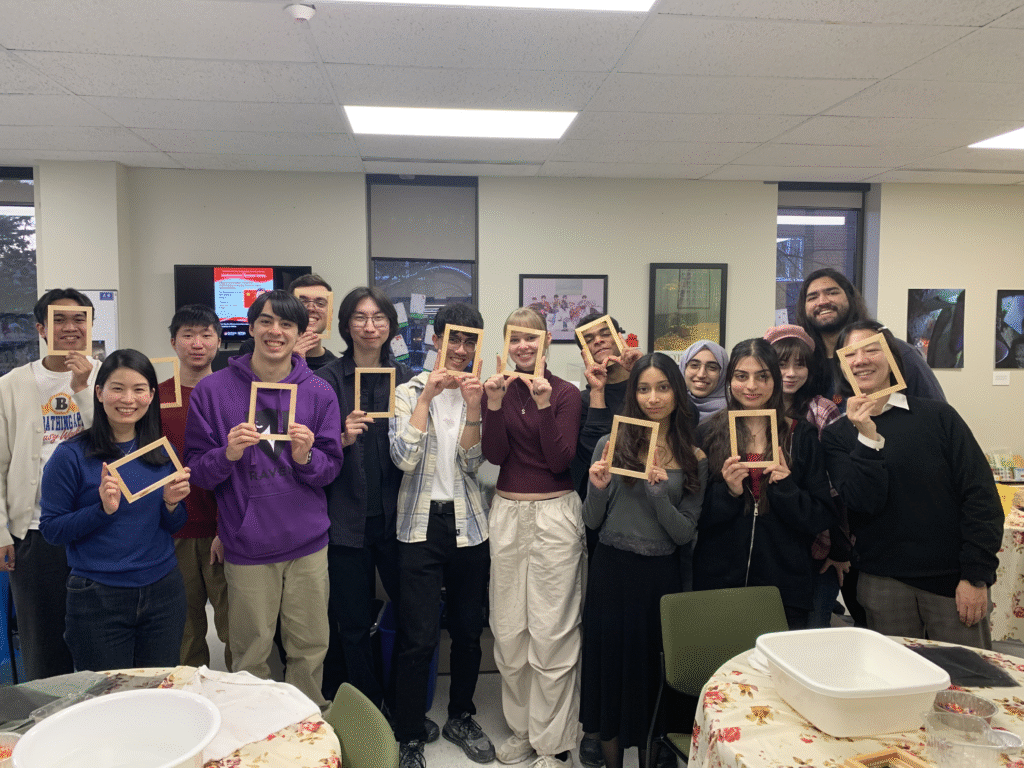
Many thanks to invited guest Tani Chihiro for visiting Carleton last Thursday to share her passion for washi-making with students in our Japanese courses, the Carleton Sakura Society, and members of the wider university community.
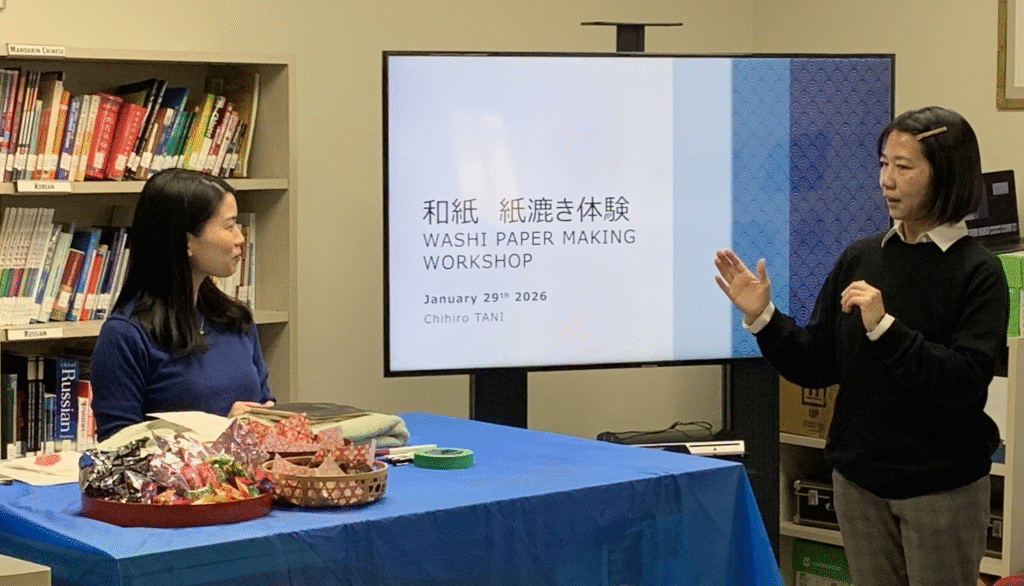
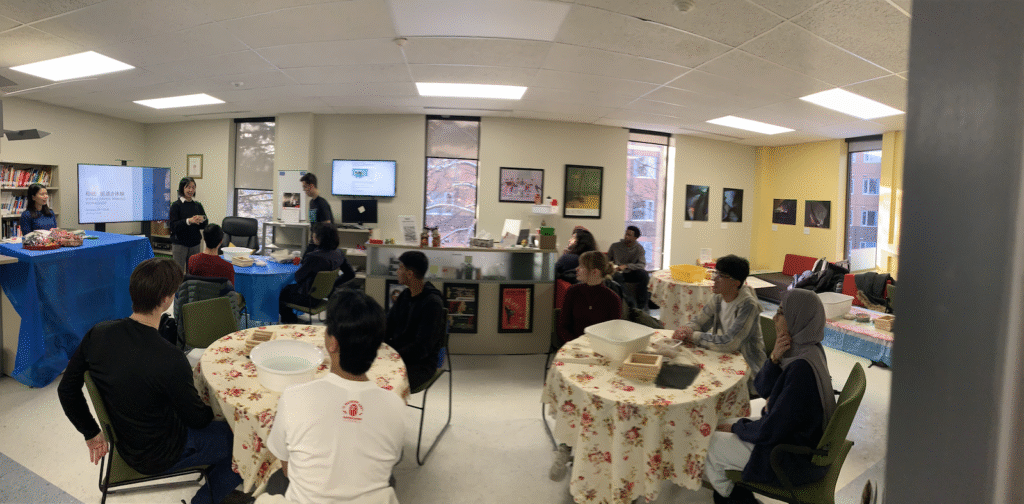
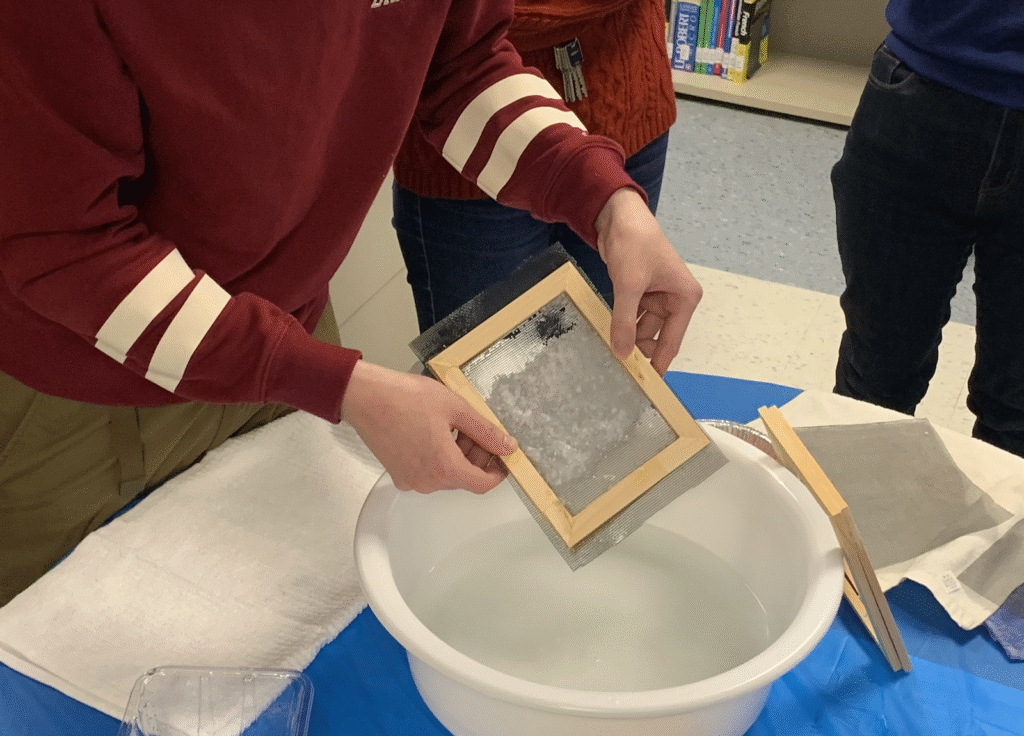
Wa (和) and shi (紙) literally means “Japanese paper” and the practice of creating it dates back hundreds of years. In the workshop, participants began by soaking shredded fibres of the mulberry plant in water. Then, under Chihiro-sensei’s patient instruction, they transferred these fibres onto wire mesh frames to form sheets.
Finally, these sheets were removed from the frames and placed on the windowpane for overnight drying. The results speak for themselves; durable, elegant, and beautiful.
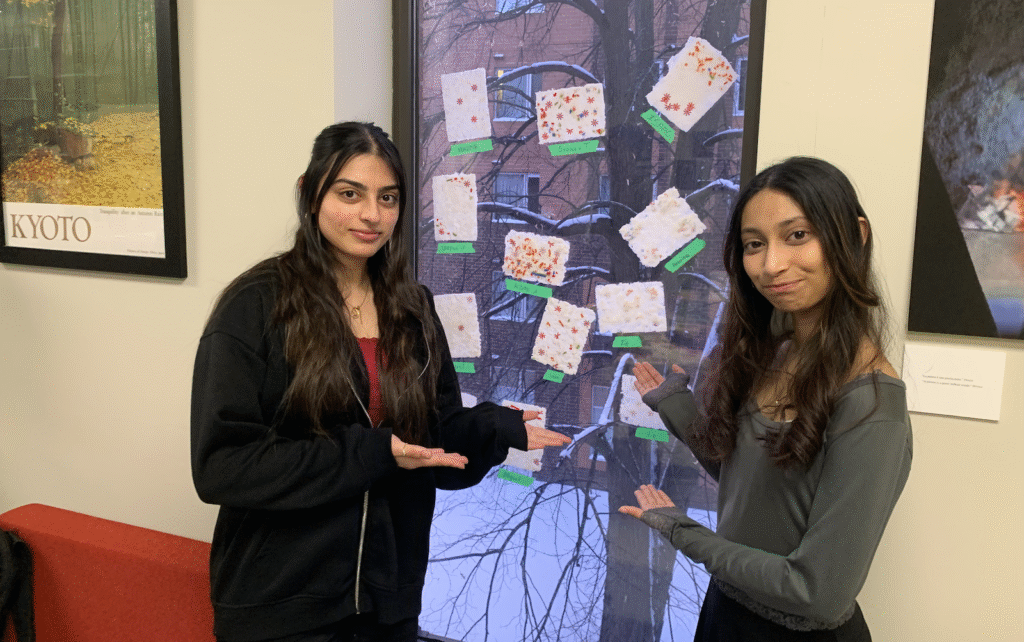
Language and culture are so tightly connected and activities like this are such a great opportunity for students to experience this connection firsthand. Thanks to the Japanese teaching team for organizing this event. For those who have not yet collected their washi, you can stop by the LLRC (SP 337) to pick it up.
And, for those of you who are feeling somewhat more ambitious, maybe you’re thinking about something bigger. Japan has you covered! In Japan, washi is not only used for writing paper. In larger formats, it is also used for shoji (障子), home decor such as paper screens or room dividers. In 2025, “Washi Craftsmanship” was added to the UNESCO Representative List of the Intangible Cultural Heritage of Humanity.