Masonry Material Characterization
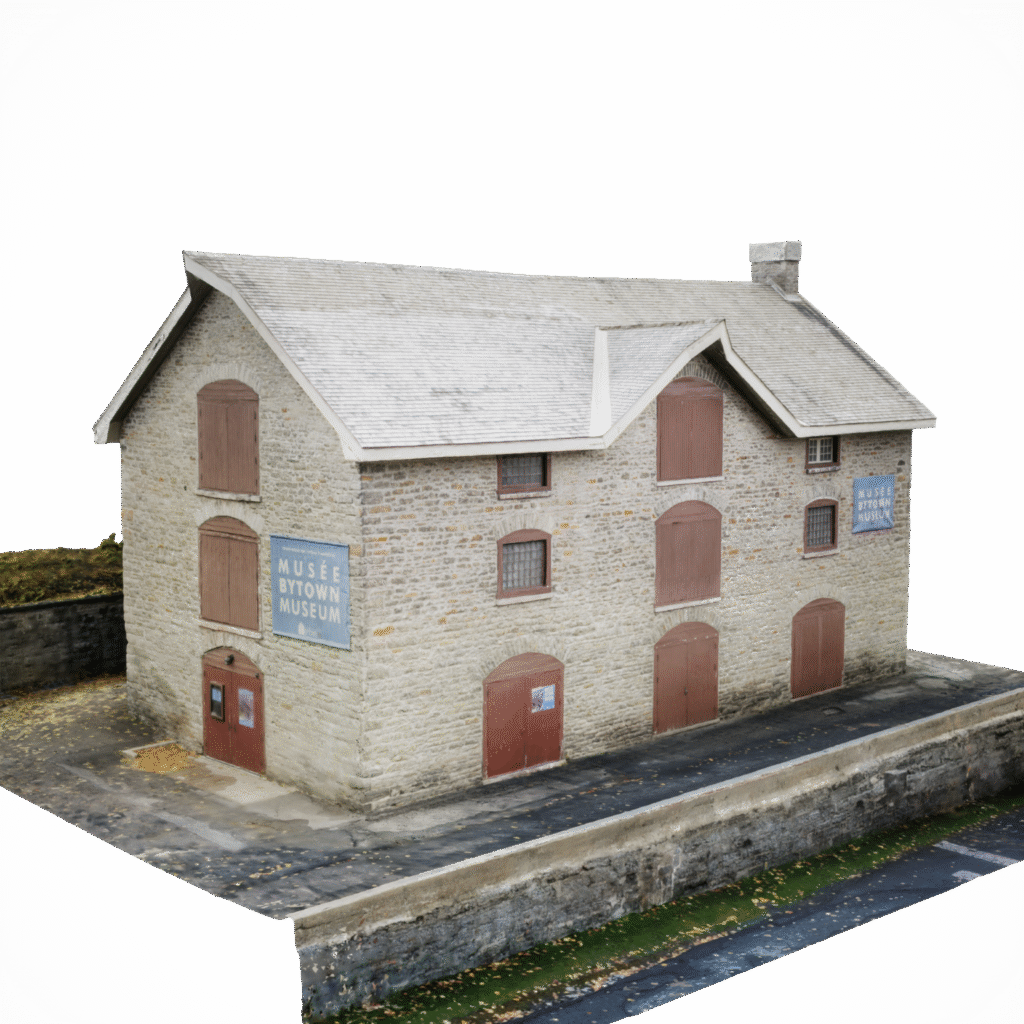
The first research focus of the NSERC Alliance HEAT project is the experimental testing and computational analysis of unreinforced masonry (URM) for material characterization and structural performance. This research will include the digital documentation of relevant historic structures and non-destructive and destructive testing of URM stone, clay brick, and mortar samples.
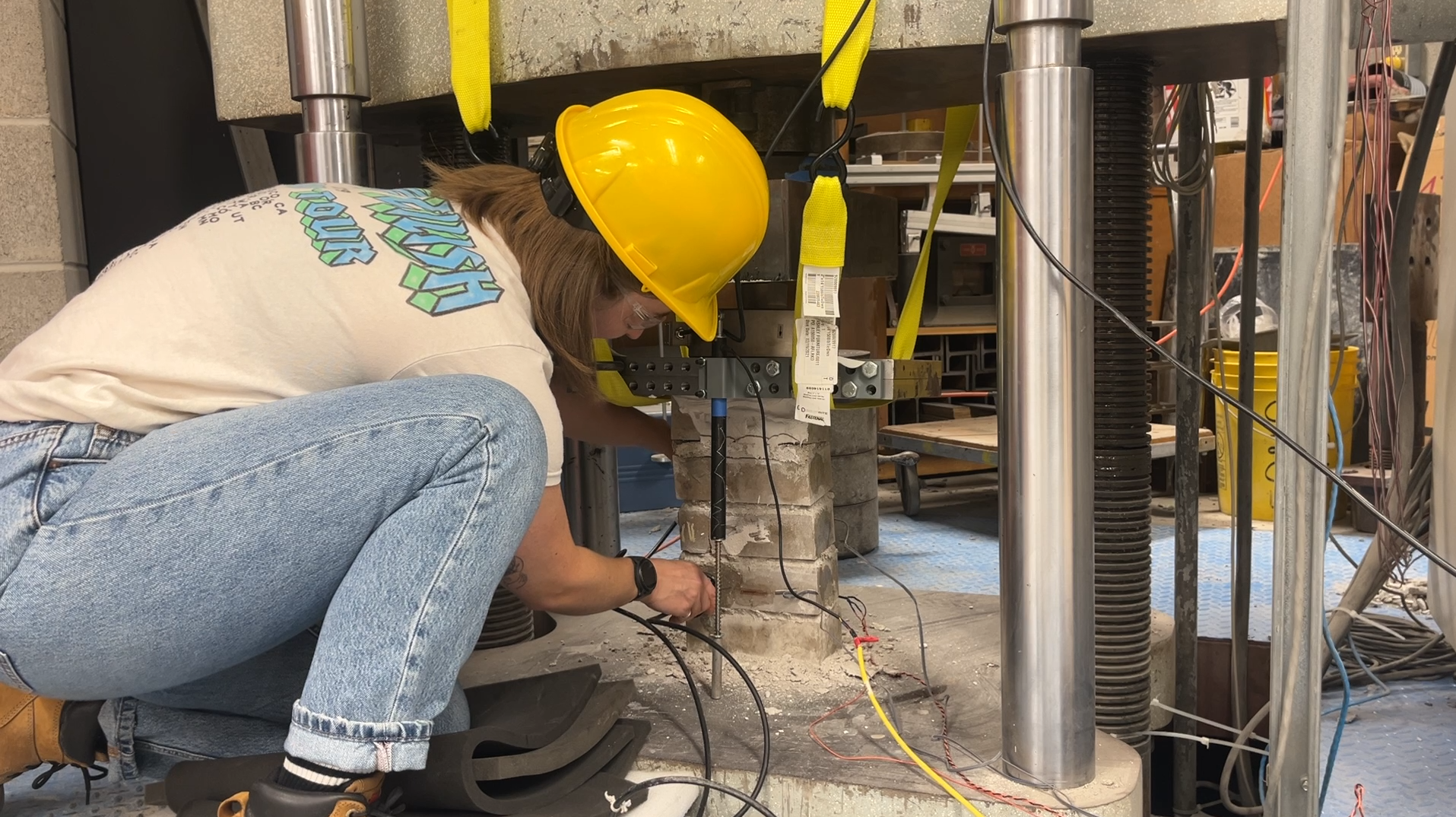
Destructive testing, including structural loading using hydraulic actuators, reaction wall systems, and universal testing machines available through the co-applicant’s labs, will be used to simulate in-plane and out-of-plane loading conditions on the URM walls, and to investigate load-bearing capacity, failure mechanisms, and the associated crack patterns.
Advanced numerical modelling techniques will be used to replicate and analyze the same loading pattern on the URM assemblies and predict the related kinematic mechanisms and strength of the walls. The final phase of this research focus will investigate the influence of changing climatic conditions on the material characteristics and pathological conditions of stone, clay brick, and mortar.
This research focus will involve the creation of a material conditions library. Based on the deterioration and damage patterns witnessed in stone, brick, and clay materials throughout the research activities, the library will provide evidence-based records of pathologies expected to be found in historic URM assemblies. This resource is intended to serve the partner organizations in leveraging the findings of this research to support decision-making in future conservation projects.