Alexandre White-Brown
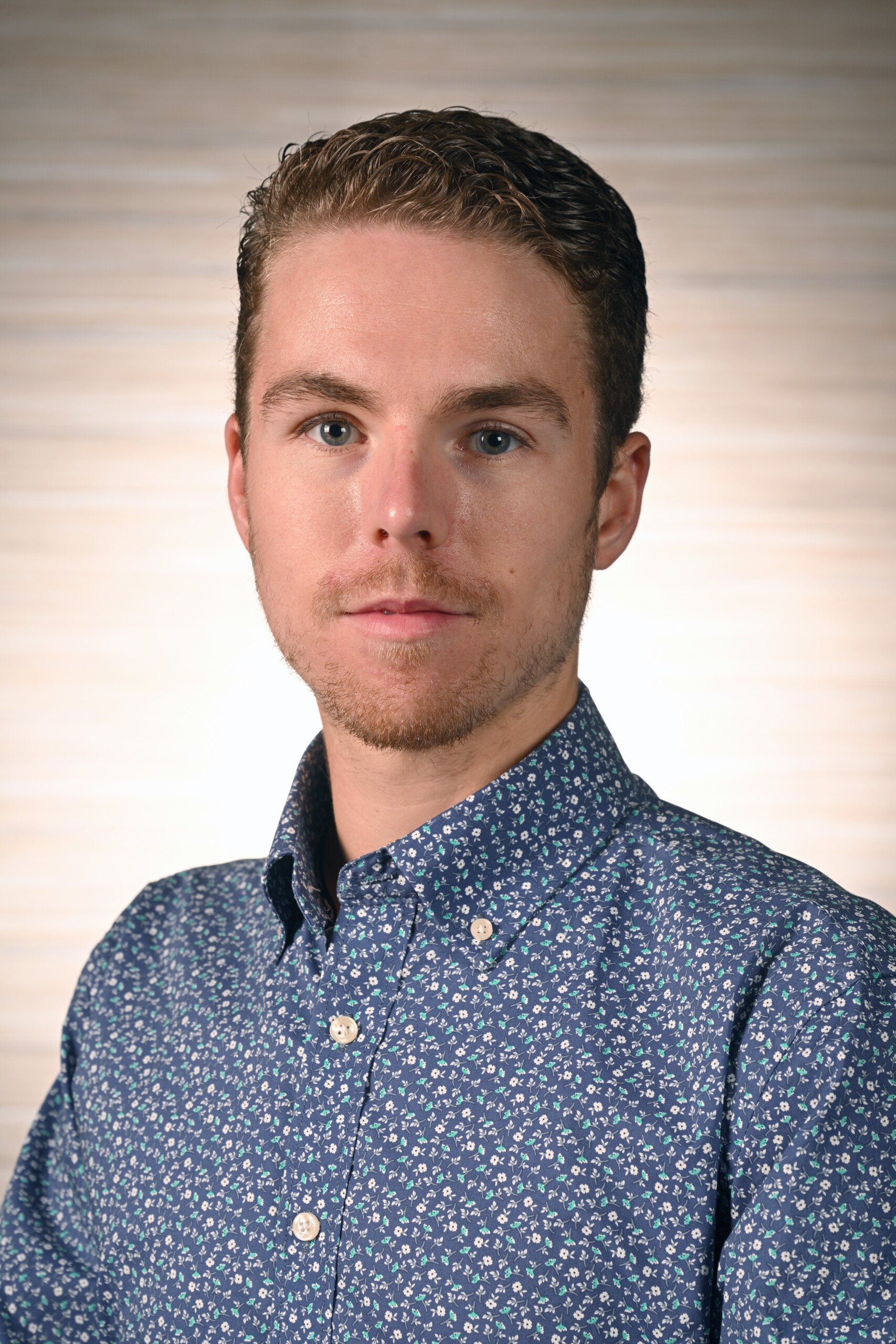
- Honours Master of Arts in Psychology (2020)
Alexandre earned his Master of Arts in Psychology in 2020. Following graduation, he has been serving as a Clinical and Research Genetic Counsellor at the Children’s Hospital of Eastern Ontario (CHEO), where he contributes to both patient care and advancing research in genetic health.
“Anything is possible. Use the resources around you (peers, professors, literature) to help guide you down the right path.“
Brief description of what I do!
I serve as a Clinical and Research Genetic Counsellor at the Children’s Hospital of Eastern Ontario (CHEO), where I provide specialized care in the Prenatal Diagnosis and Neurogenetics clinics. My research focuses on leveraging advanced technologies and electronic medical record data to improve the identification and diagnosis of rare genetic diseases. I also co-lead studies examining the impact of early genetic testing at the time of genetics referral and advancing the use of methylomics to investigate unexplained congenital malformation syndromes.
What inspired your career path after graduation?
Having the opportunity to work with a young boy who has a rare genetic condition during my undergraduate studies.
How did your experience in the psychology program shape your journey?
It allowed me to develop the foundational skills needed to become a genetic counsellor and opened doors to pursue this specific career.
What skills or experiences were most valuable after graduation?
Academic writing and presenting skills.
Do you have a favourite memory from your program at Carleton?
Dr. Kavita Prakash in PSYC 4909/4910. Despite advisors in the department telling me that doing the honours project over the honours thesis would limit my options to pursue a Masters degree, Dr. Prakash and the honours project course is the main reason I am where I am today. The academic writing and presenting skills developed in that course landed me my first position at CHEO.
What has been a highlight or proud moment in your career so far?
Developing a world-first AI algorithm designed to identify undiagnosed rare disease patients.