Melissa Nyveld
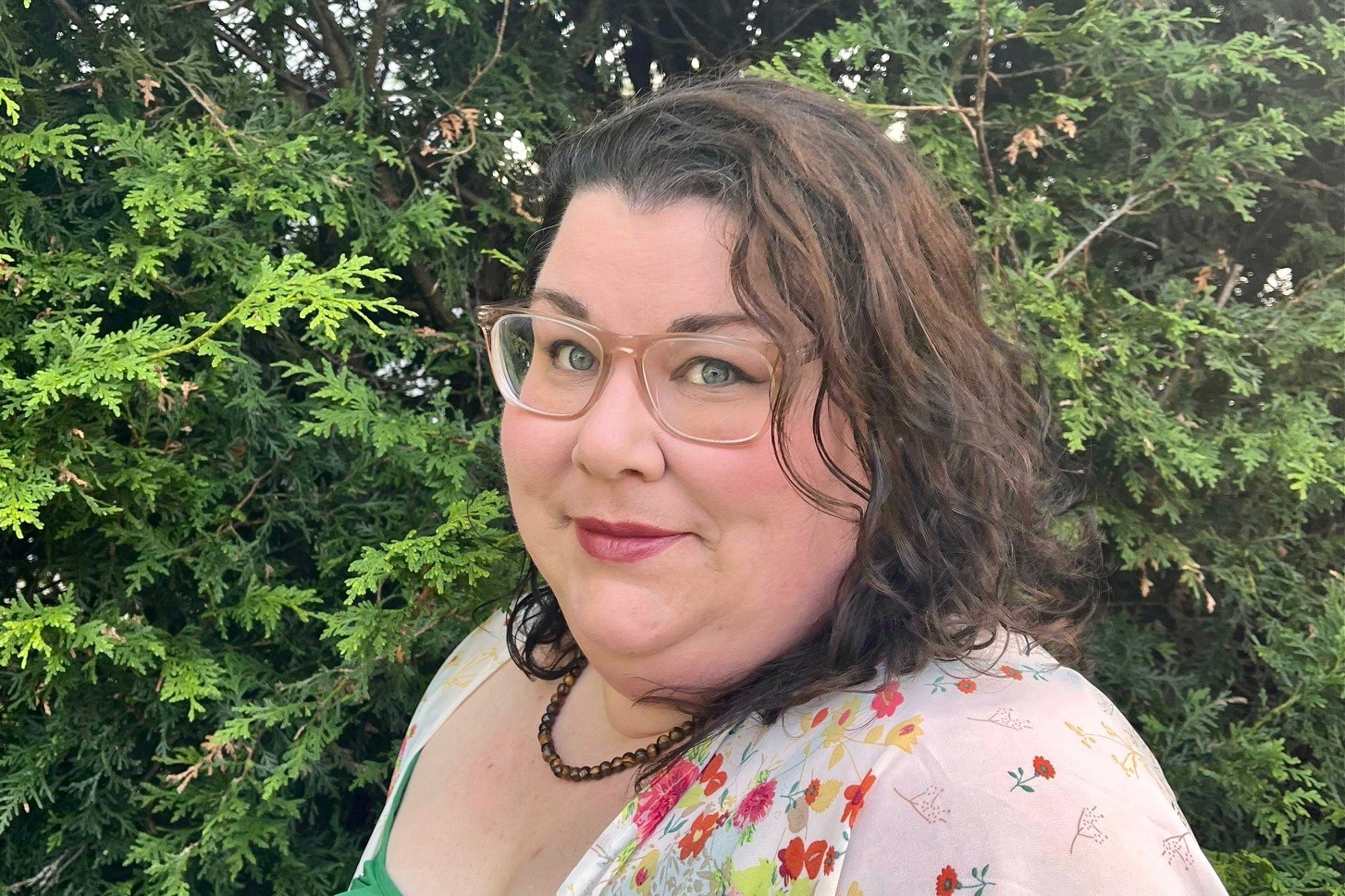
- M.Sc. in Neuroscience (2022), Honours B.A in Psychology with Specialization in Development Psychology & Minor in Neuroscience & Mental Health (2019)
Melissa earned an Honours Bachelor of Arts in Psychology, specializing in Developmental Psychology with a minor in Neuroscience and Mental Health in 2019. She went on to complete a Master of Science in Neuroscience in 2022 and now serves as a Psychometrist and Clinical Counsellor at Emerging Minds Treatment Centre.
“You don’t need to know what your next step is. There is no rush. School programs will always be there – whether you attend next semester or two years from now. What is important is understanding what inspires you. School work is so much easier when you love the topic you’re studying – even difficult courses can gain meaning when you have a mindset where they add to your breadth of knowledge about your interest. So when you are unsure, take your time. Explore the things you love. And follow that passion.”
Brief description of what I do!
I have been working with autistic learners since 2005, first as a behaviour therapist, and later supervising therapists to deliver play-based therapy. After experiencing mental health challenges, I decided to pursue more learning opportunities for myself. I found that academics and being a life-long learner was instrumental to balancing my mental health and needs. I pursued an honours degree with plans to later pursue a graduate degree and both goals were realized by 2022. I took some time from work to complete my graduate degree; however, upon completion I returned to the organization where I have been working for almost 20 years. One part of my current role involves assessing cognitive and academic skills of autistic youth, as well as completing autism assessments for adults. The other side of my work is to provide clinical counselling to autistic youth under the supervision of a clinical psychologist. In this role, I help youth manage mental health challenges as well as work on executive functioning challenges. I am incredibly passionate about my career and the people I support.
What inspired your career path after graduation?
I began this career path before university studies were even a consideration. I had initially attended university with plans to later attend teacher’s college; however, once I began working with autistic learners part time, I found a calling. After working in the field for well over ten years, I decided I wanted “fancier initials at the end of my name.” I knew I had to complete an honours degree to go forward to graduate school, so my path was very clear. Upon returning to work, my supervisors reshaped my role within the organization to reflect my knowledge and abilities.
How did your experience in the psychology program shape your journey?
Throughout my bachelor’s degree, when given the opportunity to write research papers, I habitually researched about the impacts of that particular subject on autistic people. For example, in Health Psychology, I wrote a review about the metabolic differences autistic youth experience from their neurotypical counterparts. In Addictions, I wrote about assessing and treating addiction challenges in autistic people. I treated every course as an opportunity to learn a different topic as it related to my main interest. It allowed me to become a clinician with a breadth of knowledge of a very niche topic.
What skills or experiences were most valuable after graduation?
My abilities to process quantitative and qualitative data to describe a client’s profile is key to my role as a psychometrist. The skills I developed in statistical analysis as well as report writing have been critical to my success. While I developed these skills when writing my thesis in undergrad and graduate school, I notice that these skills continue to evolve in my work today. My psychometry position requires that I write a sort of “mini thesis” for every client I evaluate, and the skills I developed in school are essential to this component of my role. Furthermore, my experiences from the course, Assessing and Treating Addiction with Dr. John Weekes was incredibly beneficial to gaining skills to use in therapy.
Are there specific Psychology courses, professors, or experiences that stood out during your time at Carleton?
John Weekes’ course on Assessing and Treating Addictions; Dr. Stephanie Greenham, my undergraduate thesis supervisor
What has been a highlight or proud moment in your career so far?
Every time I am able to help set someone up for success – whether helping them learn something about themselves, helping them receive learning accommodations at school, or helping them meet a goal they’ve been trying to achieve. There are too many proud moments to simply choose one.