Nneka Azubike
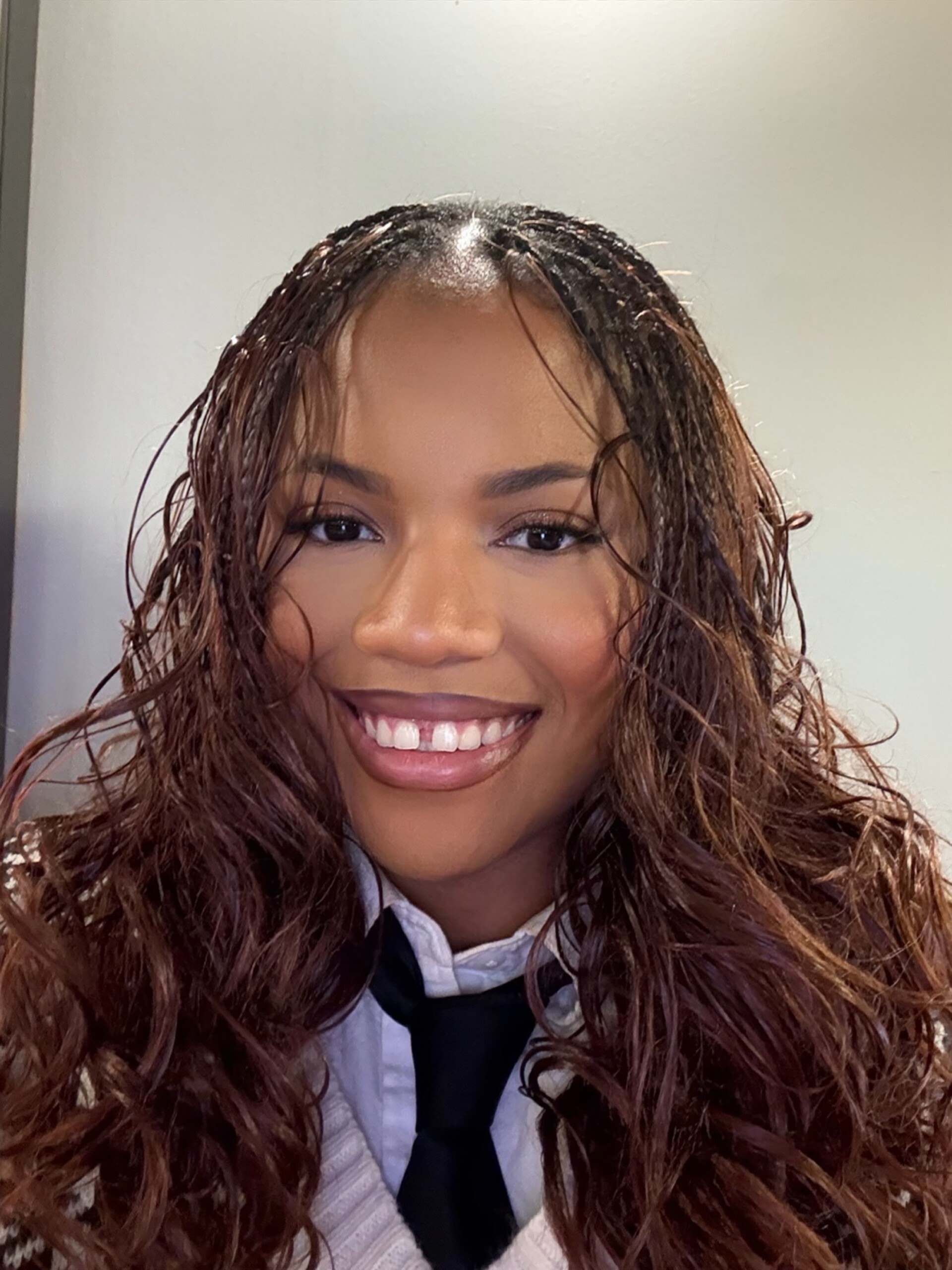
- Bachelor of Arts in Psychology with a Minor in Neuroscience and Mental Health (2022)
After earning her Bachelor of Arts in Psychology with a Minor in Neuroscience and Mental Health in 2022, Nneka began her career in human resources. She is currently an HR Specialist at DistillerSR and is pursuing her CHRL designation.
“It’s okay not to have everything figured out immediately after graduation. I think a lot of students feel pressure to have a perfectly linear plan, but growth often happens through exploration. Your first role does not define your entire future. Be open to opportunities that help you learn more about yourself, your strengths, and the kind of environments you thrive in. Also, do not underestimate transferable skills. Psychology opens more doors than people sometimes realize.”
Brief description of what I do!
I currently work in Human Resources, where I support everything from recruitment and onboarding to compensation, employee experience, and organizational initiatives. My work sits at the intersection of people, strategy, and problem-solving, which is something I genuinely enjoy. I’m especially passionate about building better workplace experiences and creating environments where people feel supported, seen, and able to grow.
What inspired your career path after graduation?
Psychology helped me realize how deeply people, behaviour, motivation, and environment influence the way organizations function. I initially found myself drawn toward Human Resources through recruitment and people operations, but over time I became increasingly interested in the bigger picture: culture, organizational design, employee experience, and how workplaces can either empower or exhaust people. I wanted a career where I could combine empathy, analytical thinking, communication, and strategy, and HR became that space for me.
How did your experience in the psychology program shape your journey?
My psychology degree shaped the way I think more than anything else. It taught me to ask questions, look beyond surface-level behaviour, and understand that people are often responding to environments, systems, stressors, and experiences we may not immediately see. It also strengthened my research, writing, communication, and critical thinking skills, which I now use every single day in my work. Psychology gave me both emotional awareness and analytical structure, and my minor in Neuroscience and Mental Health deepened my interest in understanding the connection between people, behaviour, stress, cognition, and overall well-being.
What skills or experiences were most valuable after graduation?
Communication, adaptability, and critical thinking have been some of the most valuable skills for me. Psychology also taught me how to synthesize information, navigate ambiguity, and approach situations with curiosity rather than assumption. Beyond academics, group work, presentations, research projects, and learning how to balance multiple responsibilities prepared me more than I realized at the time. Being able to connect with people while also thinking strategically has helped me tremendously in HR.
Are there specific Psychology courses, professors, or experiences that stood out during your time at Carleton?
What stood out most to me was how psychology constantly challenged me to think deeper, not just academically, but personally. I appreciated courses that explored human behaviour, social dynamics, and research because they pushed me to become more reflective and analytical at the same time.
What has been a highlight or proud moment in your career so far?
One of the biggest highlights in my career has been realizing how strategic HR truly is. Over time, I came to understand how workplace environments, leadership, culture, and organizational systems shape employee behaviour and performance. People respond to communication, expectations, stress, and psychological safety whether organizations recognize it or not. That shift changed how I view HR entirely. It is not just administrative — it directly impacts the health, effectiveness, and sustainability of a business. Strong organizations understand the human side of work and create environments where people can thrive.