About the PI
Dr. Paul Peters, PhD
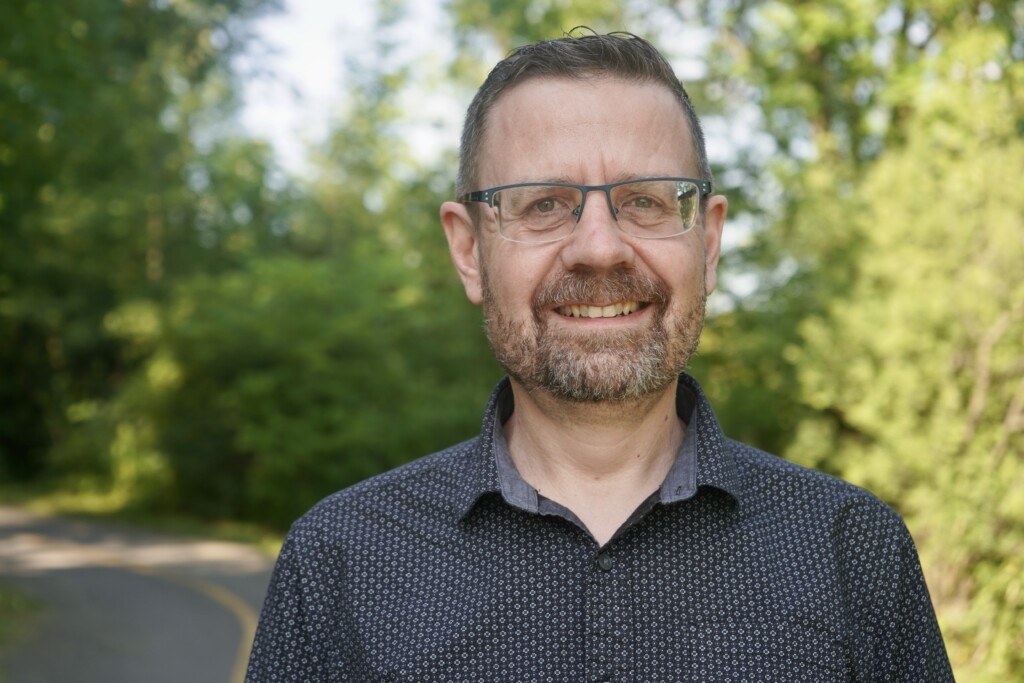
The essence of my research is on the study of small places and small spaces in a context of widespread social and structural inequalities. Despite decades of universal healthcare, there still remains pronounced inequalities in the social determinants of health and health outcomes. These inequalities are manifest between social groups across a range of factors, such as income, education, or ethnicity. At the same time, these inequalities are spatially evident, with differences between provinces, regions, communities, and neighbourhoods. Perhaps counterintuitively, the patterns and processes of these inequalities at the local level can be measured using large data sources, sometimes termed “big data.”
The substantive areas of my research are varied, but they are connected by the use of linked administrative and survey data, application of health and social statistics, and the development of geographic methods in health. I prefer research projects that are collaborative in nature and engage with diverse international colleagues across disciplines and domains. My active research projects include: access to rural health services; environmental exposures and neurodevelopmental disorders; and, mortality inequalities using a multiple-cause of death approach. Within each of these projects, there is an aspect of methods and development.
Summary of Professional Work
I am an Associate Professor in the Department of Health Sciences, Carleton University and cross-appointed in the Department of Geography and Environmental Studies. I am a steering committee member and active user of the Carleton Research Data Centre, part of the Canadian Research Data Centre Network.

Curriculum Vitae
From 2014-17 I was a Tier II Canada Research Chair in the Spatial and Social Inequalities of Health and Health Services at the University of New Brunswick. I received a PhD in Sociology (Demography) from the University of Texas at Austin and the Population Research Center, and an MES in Planning from the University of Waterloo. I was an Andrew W. Mellon Doctoral Fellow and a SSHRC Doctoral Fellow. I am a quantitative researcher who specializes in applied statistical methods, with a focus on the spatial and social determinants of health.
From 2008 to 2014 I was a Research Analyst in the Health Analysis Division of Statistics Canada, a dedicated research division within the Agency. As one of the few researchers with geographic expertise, I was involved in developing projects that integrated geographical analysis into policy-relevant health research. These included methods for analyzing health inequalities for Indigenous populations, census data linkage methodologies, and integrating environmental data with large population data sets. I have technical expertise in GIS, spatial statistics, and data analysis across several platforms.
I have taught courses in Health Science Communication, Capstone Research Essays, Applied Health Statistics, Social Demography, Economic Geography, and Public Policy Analysis. I instruct short-course seminars in indicators for the social determinants of health, geographic information systems, and postal code geocoding using PCCF+.