A Stoppable Force and a Movable Object: Mutual Exhaustion in Russia and Ukraine
By Neil Hauer
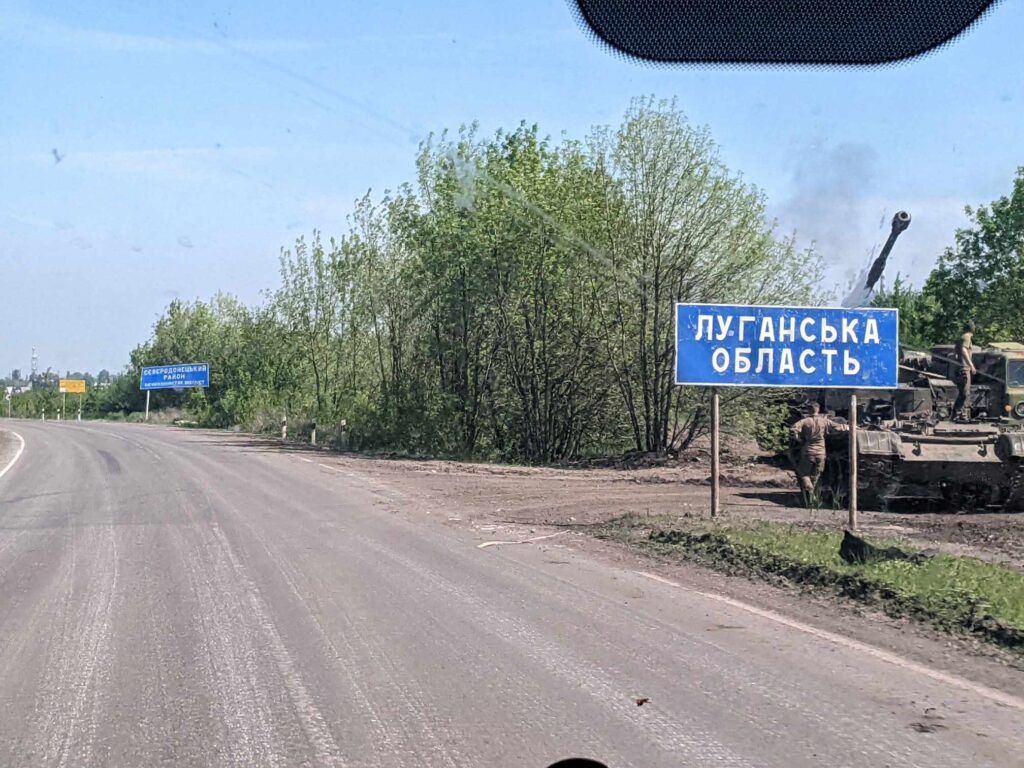
More than three years into Russia’s full-scale invasion of Ukraine, the frontlines in the conflict have become increasingly stagnant. Constant high-intensity combat along a frontline hundreds of kilometres long has taken its toll on both Russian and Ukrainian forces. Heavy losses in manpower and materiel have degraded the ability of both sides to achieve significant breakthroughs in offensive operations, while the past 18 months of the war have been marked by near-constant Russian assaults against beleaguered Ukrainian defenders.
The policy problem faced by Western decision-makers is to enable Ukraine to win this war of attrition against Russia – a goal that remains achievable. To do this, Western policymakers should embark on three key policies. Firstly, they should fund the ongoing expansion of Ukraine’s domestic weapons manufacturing industry. Secondly, they should seek additional sources of artillery ammunition in the international arena for purchase and transfer to Ukraine’s armed forces. Finally, Canada and other Western countries should aid Ukraine in reforming both the conditions and public image of military service in Ukraine’s armed forces to make personnel recruitment more attractive and sustainable. By accomplishing these objectives, Ukraine can be placed in a position to exhaust and attrite Russia and, eventually, exploit new battlefield opportunities that will arise as a result.
To read, download or print the full policy brief, click here.