Building Again: Starting Over as an Engineer in Canada
When Darshan Jariwala arrived in Ottawa in December 2023, he wasn’t beginning his engineering career—he was rebuilding it.
After earning bachelor’s and master’s degrees in civil and transportation engineering in India, Darshan had already established himself as a transportation engineer, working on major highway construction and design projects. He had experience, stability and a clear professional path ahead of him.
Yet despite years of education and professional experience, he quickly realized that building a career in Canada would require a different kind of expertise.
“One of the hardest parts of starting over was learning how to become a beginner again after already being experienced,” he says. “I came to understand that engineering experience does not automatically transfer across borders. I had to learn not only new standards and practices, but also a new professional environment, communication style, and way of thinking.”
Today, Darshan has graduated from Carleton University’s Master of Engineering Practice (EP) program and is working as an Engineering Associate with the Ministry of Transportation of Ontario (MTO), contributing to projects that help shape the province’s transportation network.
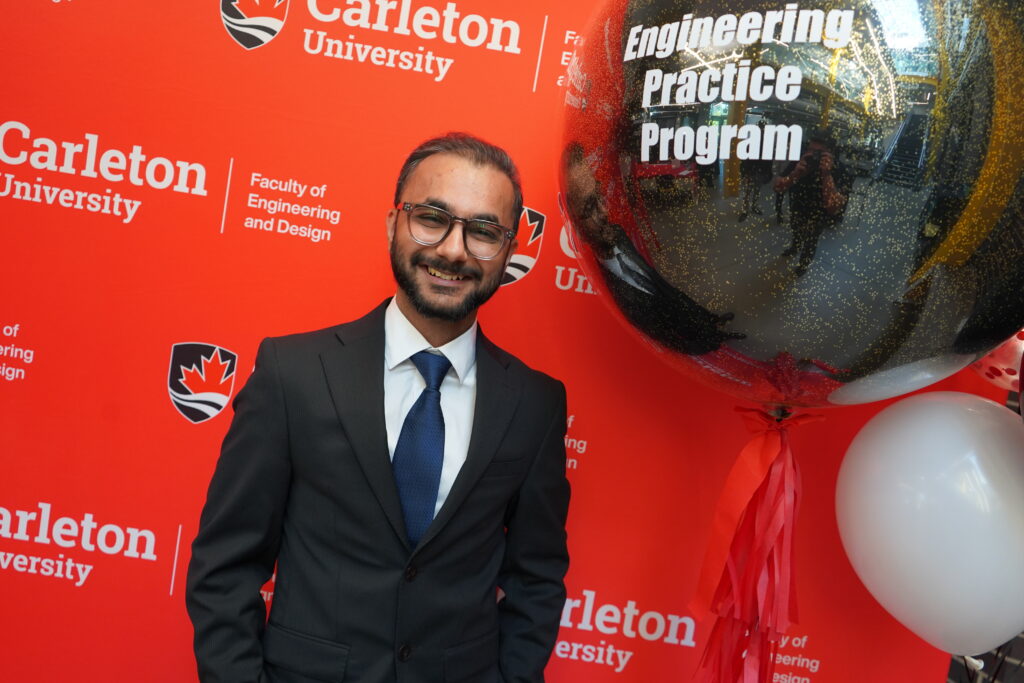
Finding a way to bridge his international experience with Canada’s engineering profession became his next challenge—and ultimately led him to Carleton.
Unlike many graduate students, Darshan wasn’t looking for a research-focused degree. He wanted practical experience that would help him understand Canadian engineering standards, workplace expectations and industry practices while building on the knowledge he already possessed.
“The program’s practical and industry-focused approach stood out to me because it aligned perfectly with my career goals in transportation engineering.”
Building the Bridge
Throughout the EP program, classroom learning was consistently connected to real engineering challenges.
Technical courses such as Traffic Engineering, Pavement and Infrastructure Management, and Foundation Engineering introduced students to Canadian engineering standards through hands-on projects that mirrored professional practice. Darshan completed pavement condition assessments, traffic simulation studies using Highway 417 data, and foundation design projects that strengthened both his technical knowledge and problem-solving skills.
Many of those projects would later prove valuable in an unexpected way.
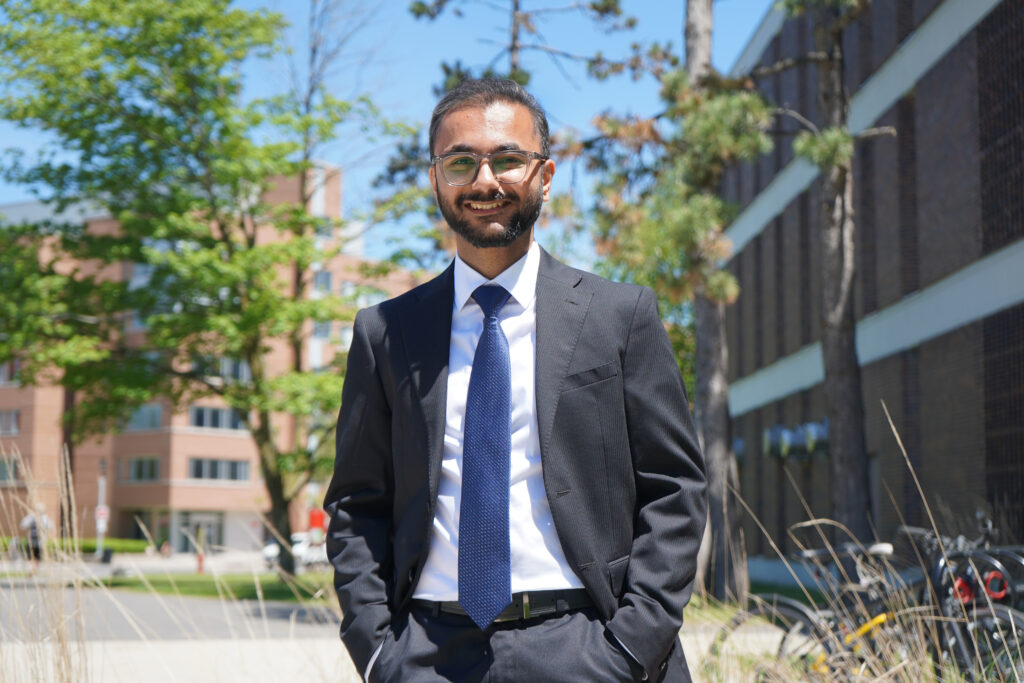
“That was the moment I truly realized how strongly this program connects academics with real engineering practice,” he says. “Many of the projects I completed later became important discussion points during my interviews.”
Expanding his engineering knowledge, however, was only part of the experience.
Courses focused on engineering communication and professional development helped him better understand Canadian workplace culture while strengthening his confidence as a communicator and presenter. At the same time, instructors with decades of industry experience brought practical perspectives into the classroom, helping students better understand what employers expect and how engineering is practiced across Canada.
Outside the classroom, Darshan embraced opportunities to become involved in the EP community. As the civil engineering stream’s student representative, he worked closely with classmates and program leadership, helping communicate student feedback while developing leadership skills of his own.
“As an introverted person, public speaking was always something I struggled with,” he says. “Being a student representative helped me become more confident, improve my communication skills, and develop leadership abilities that I didn’t realize I had.”
His contributions to the EP community were recognized upon graduation, where he received both the Engineering Practice Dedication and Community Spirit Award and the Outstanding Volunteer Service Award.
Those experiences prepared him for the opportunity he had been working toward.
Turning Preparation into Opportunity
Throughout the program, Darshan became increasingly interested in the work of the Ministry of Transportation of Ontario. His coursework frequently drew upon MTO standards, transportation data and engineering guidelines, giving him a deeper appreciation for the organization’s role in planning and maintaining Ontario’s highway network.
Landing a position there, however, didn’t happen on the first attempt.
His first interview was unsuccessful. So was his second.
During one interview, he found himself unable to answer a technical question despite extensive preparation.
“Honestly, it was discouraging,” he says. “But looking back, that was where the real growth actually began.”
Rather than being deterred, Darshan used each setback as an opportunity to improve. He reflected on his preparation, refined his interview approach and continued building both his confidence and technical knowledge.
When another opportunity came, he was ready.
Drawing directly on the projects he had completed in the EP program, Darshan demonstrated not only his engineering knowledge but also his understanding of Canadian practice and standards. This time, he received the offer.
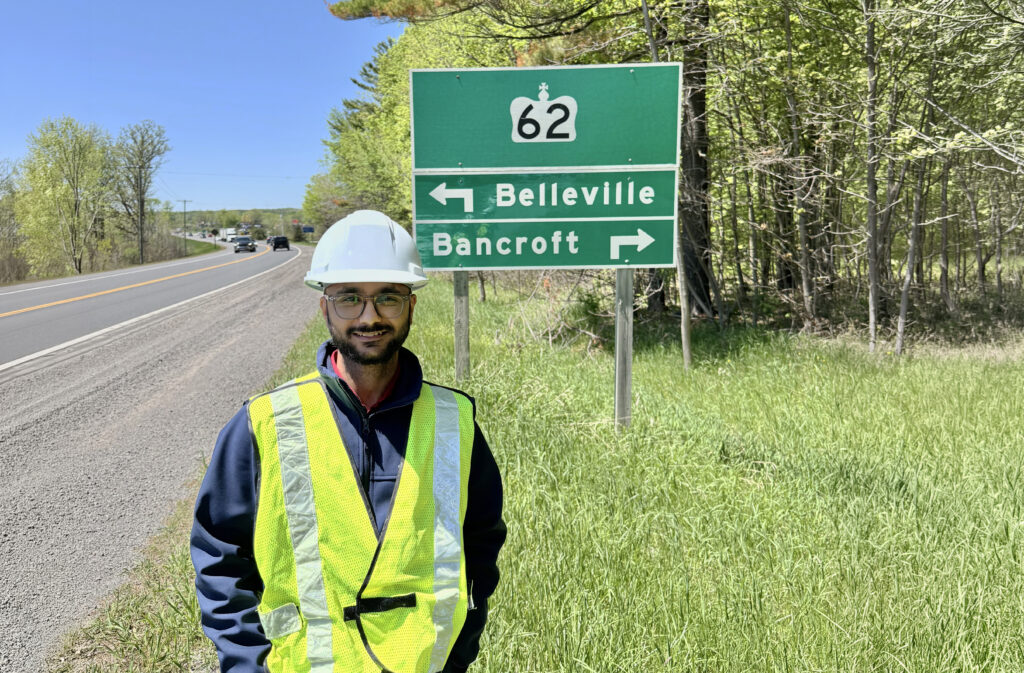
Today, he supports Ontario’s Speed Limit Increase initiative by evaluating highway corridors for potential speed limit increases from 100 km/h to 110 km/h. He also contributes to the detailed design of highway rehabilitation projects that will move into construction in 2027.
“It is exciting to contribute to projects that directly impact public transportation infrastructure and road safety across Ontario,” he says. “The work is both challenging and rewarding, and I am learning something new every day.”
Darshan’s experience has also helped open doors for future students. After discussing the EP program with his manager, MTO has posted two new co-op positions through Carleton’s Co-operative Education program for Fall 2026, creating new opportunities for EP students interested in gaining experience with the organization.
Looking Ahead
Looking back, Darshan sees choosing the EP program as one of the defining decisions of his career.
“The program helped me bridge the gap between my international experience and the Canadian engineering profession,” he says. “Professionally, it was one of the best decisions I have made for starting my Canadian educational and professional journey.”
For internationally trained engineers considering a similar path, his advice is simple: stay curious, keep learning, and don’t let temporary setbacks define your future.
“As an engineer, sometimes the most important thing we build is the courage to begin again.”