HIST 3820B: Explorations in Historical Theory – “Youth and History”
HIST 3820B: Explorations in Historical Theory
Instructor: Professor Susan Whitney
Winter 2026
Topic: Youth and History
0.5 credit
In-person format
Historians use diverse theories and methodologies as they research and write history. Understanding how historians use theories and methodologies and frame their studies is therefore crucial for students of history. This course examines the assumptions, ideas, and theories underlying the study of history by pairing general explorations of historical theory and method in weekly lectures with discussion groups focused on their application to the history of young people.
HIST 3820 begins in the late nineteenth century, when history began to be taught in universities in the western world. The course discusses the ideas and assumptions of the first generations of modern historians and suggests how historians’ assumptions about nationalism, gender, and militarism were taught to children in nineteenth-century primary schools. HIST 3820 continues by exploring major developments in historical research and scholarship during the twentieth and early twenty-first centuries. Students are introduced to the Annales school; the new social history; women’s, gender, and sexuality history; post-colonial history; cultural history; historical memory and commemoration; and global and transnational history, as well as to theorists such as Michel Foucault and Edward Said. Students will be asked to read short extracts of important pieces of historical theory or method in preparation for lecture and examples of youth history for their discussion groups. The emergence of class, gender, sexuality, age, race, and ethnicity as categories of historical analysis will also be traced and discussed.
The topics to be explored during discussion groups will include historical approaches to childhood; youth groups in early modern France; the impact of industrialization on child laborers; the education of young people in schools (including residential schools), youth groups, and reform schools; young people’s experiences during the First World War and the Russian Revolutions; and youth activism during the global 1960s.
Course evaluation
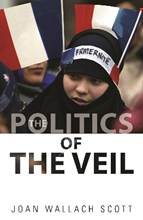
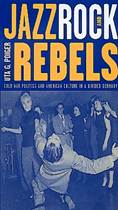
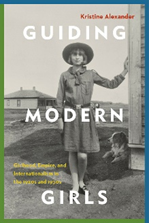
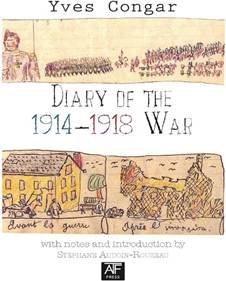
Students will be graded on their informed participation in weekly discussion groups, written assignments, and a final exam. Written work will most likely consist of a short paper on assigned readings and a 10-12 double-spaced page paper due at the end of the semester. The final paper will ask students to apply the skills they have been learning in the course to a book of their choosing in youth history. Suggestions for suitable books available online will be included in the course outline. The covers of some of them are included below. The final exam will likely be worth 35% of the final course grade.
All readings will be available electronically through ARES. No purchases are required.
Please contact Professor Whitney (Susan.Whitney@carleton.ca) if you have any questions about the course.
Covers of some of the books you can choose to write your final paper on: