HIST 5803W: Women, Gender and Sexuality History: Foundations
HIST 5803W: Women, Gender, and Sexuality History: Foundations
Professor Susan Whitney
Winter 2026
In-person seminar (Wednesdays, 11:30-2:30)
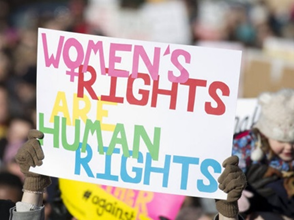
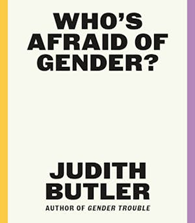
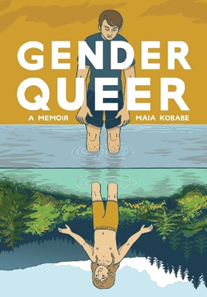
Background: Women’s history emerged out of second wave feminism in the 1970s, gender was recognized as a category of historical analysis in the 1980s, and the study of sexuality and sexuality history became increasingly visible in academic life in the 1990s. By the dawn of the 21st century, the study of women, gender, and sexuality had been integrated into university curricula across North America.
Starting in the 2010s, however, gender became the subject of a “backlash” from right-wing political, civil, and religious forces. Anti-gender activists campaign against a so-called “gender ideology” that they believe undermines traditional notions of the family and society. Early efforts targeted primary and secondary schools, seeking to restrict the teaching of material related to gender and sexuality as well as the accessibility of library books, including Gender Queer, addressing these issues. Anti-gender activism has gained strength with the return of Trump to the White House. On his first day in office, Trump targeted “gender ideology” in an executive order that defined women as people who are biologically female at birth and required the removal of gender from federal government agencies and the programs they funds. Canada has not been immune to these political currents. In Alberta, Danielle Smith’s government passed legislation restricting young people’s control over the pronouns they choose to use at school and access to gender-affirming treatment, among other things. There have also been campaigns to restrict student access to books with 2SLGBTQI themes in other Canadian provinces, including Ontario.
Course description: This course is designed to provide students with the context for understanding these developments by introducing students to foundational writing in the history of women, gender, and sexuality since the 1970s. The course also provides students with the opportunity to investigate the scholarly trajectory of a leading historian of women, gender, and/or sexuality of their choice in a longer essay. Students are encouraged to choose a scholar whose work is relevant to their own MA research.
Transnational in conception, the course mixes focused attention to important themes, issues, and historical problems in women’s, gender and sexuality history with attention to the development of historical writing over time. Weekly assigned readings illustrate how historians of women and gender have framed – and debated – historical problems and introduce students to the main theoretical and methodological approaches employed. Special attention will be paid to the topics, debates, and scholarly discussions that have defined the field and set the scholarly agenda. The course underlines the constantly evolving nature of historical scholarship and helps equip students with the tools to analyze academic writing and develop their own scholarly voice. Readings also include recent journalistic pieces that trace the continued relevance of issues explored by scholars to current North American politics.
Although the readings for Winter 2026 have yet to be finalized, topics likely to be included are: the intellectual and political stakes of early women’s history; gender history and its critics; critical historical perspectives on race; women and work; sexuality history; masculinities; feminist history as a transnational undertaking; the relationship between women, empire, and post-colonial thought and politics; women and the environment; and age, gender, race, and class as intersecting categories of analysis. In the past, students have been pleased by how seminar discussions and assigned readings have complemented those of HIST 5000.
Course format and mode of delivery: This course is an in-person graduate seminar. Seminars will consist of discussions of assigned readings led by Professor Whitney. Assigned readings per week typically include 4-5 scholarly articles or chunks of a scholarly monograph, such as Joan Wallach Scott’s very readable, The Politics of the Veil (Princeton, 2007). All readings will be available electronically through Carleton’s electronic reserve system.
Course assignments and evaluation: Students will be expected to participate in an informed and active manner during weekly seminar discussions and to complete two short critical reading responses, a proposal and annotated bibliography, and a 10-12pp paper, due at the end of the term. This paper will explore the work of a leading historian of women, gender, or sexuality. Students are encouraged to choose an historian whose work is relevant for their own M.A. research. Directions and strategies for all written assignments will be discussed extensively during our seminar discussions and posted on Brightspace.
Professor Whitney will meet early in the term with individual students to discuss their academic background, interests, and goals.
Note to students from other academic disciplines: Women’s and gender historians have long incorporated interdisciplinary approaches, and students from academic programs other than History are welcome in the course. They are forewarned, however, that this is a course in women’s, gender, and sexuality history, not in women’s studies. A background in history is advantageous, although not required or essential.
Questions? Please feel free to contact Professor Whitney at Susan.Whitney@carleton.ca