Carleton Student and National Team Kayaker Balances Sport and School
By
Dan Rubinstein
Photo Credit:
Owen Smith
Whether you’re a competitive or recreational paddler, if you like to move quickly or prefer leisurely outings under the sun, and if your vessel of choice is a canoe, kayak or stand-up paddleboard, the Ottawa area is one of the best places in the world to get onto the water.
Cradled between the Rideau River and Rideau Canal, the Carleton University campus epitomizes this easy access to aquatic environments.
That’s one of the reasons why national team sprint kayaker Dyllan Wheeler chose Carleton when he started university last year.
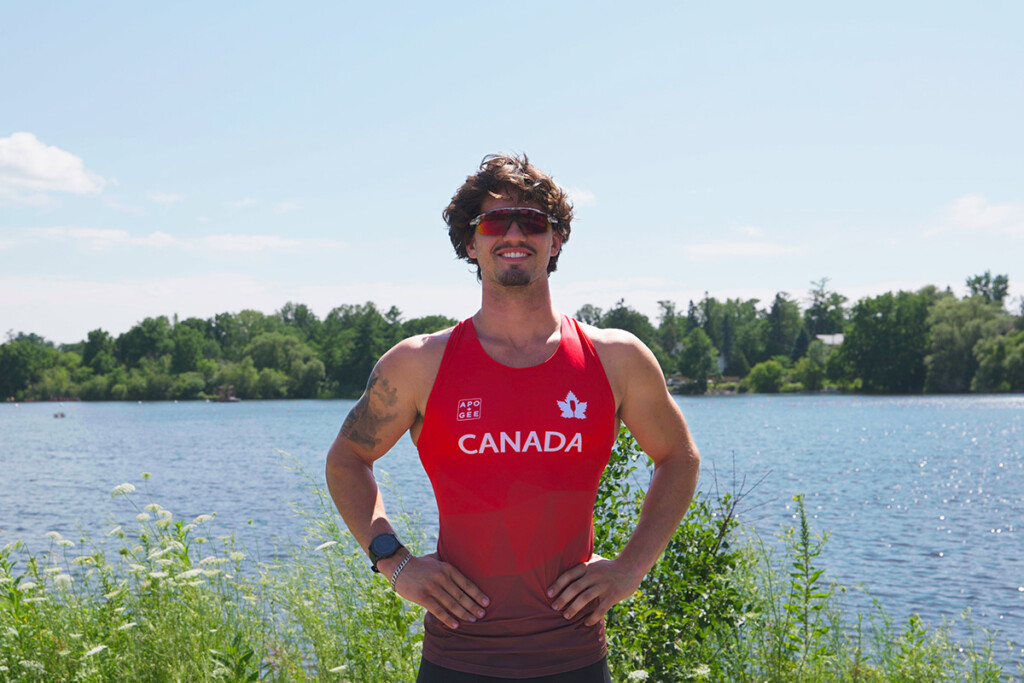
“I love being so close to the river and canal,” says Wheeler, a 19-year-old psychology major who’ll be going into his second year in September.
“It’s really beautiful, but it’s also a little distracting, because it reminds me that I need to get back out there and train.”
Wheeler was already familiar with the campus before graduating from high school. His mother had gone to Carleton, and as a kid he tagged along to his brother’s basketball games in the university’s gyms. And even though he lives just outside the city in Carleton Place, where he trains and works at the local canoe club, he paddles sometimes at the Rideau Canoe Club on Mooney’s Bay, just a few minutes south of campus.
“This is the perfect place for me,” he says. “It’s such a good fit with what I’m doing now and where I want to go.”
Competitive Spirit
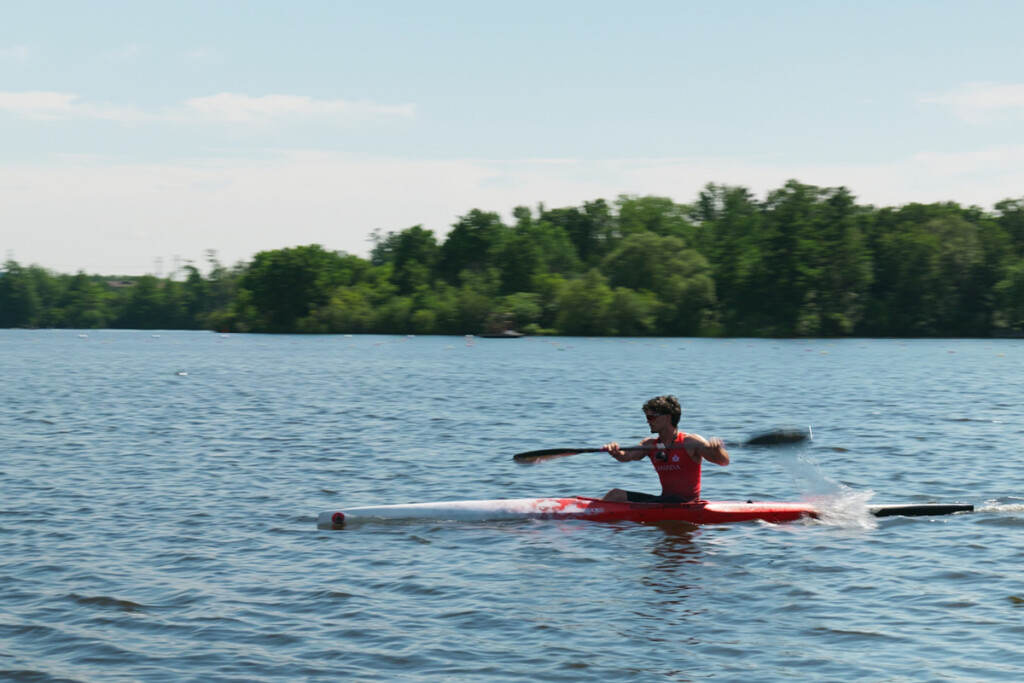
Wheeler was introduced to kayaking at age six by one of his grandfathers, a former elite international paddler. Within a couple years, encouraged by his mother, an experienced canoer, he was in the cockpit by himself.
“It was so much fun, being out on the water with my friends,” Wheeler recalls.
“I also started to like the competitive aspect of the sport. I used to paddle with my brother and we really wanted to win. That stuck with me.”
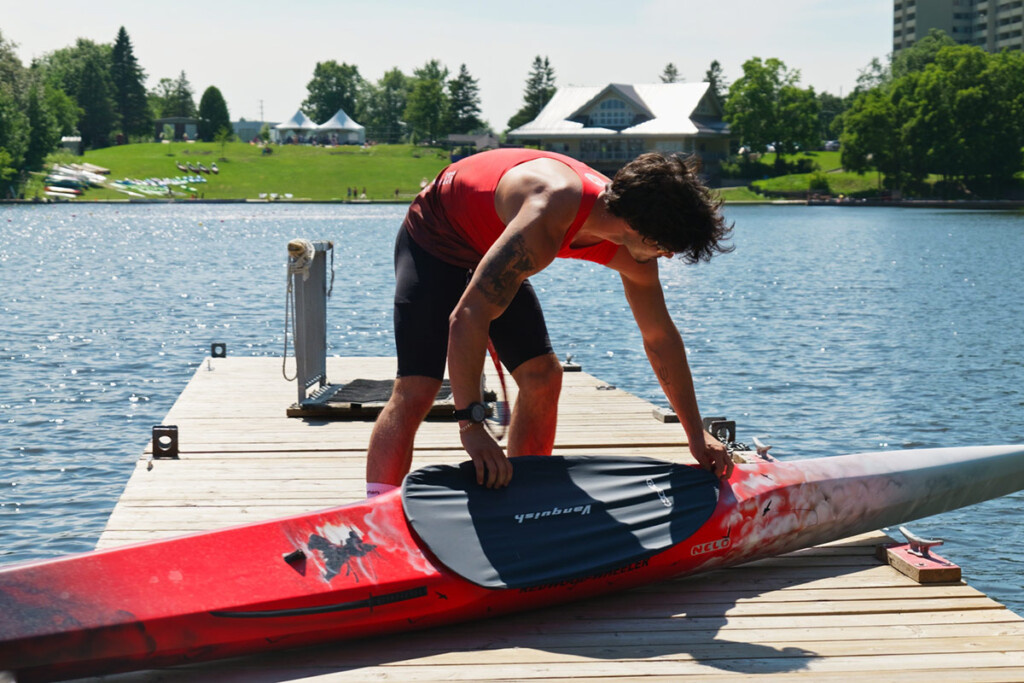
In 2022, Wheeler began to see improvements and got more serious about kayaking. A year later, he and a paddling partner won silver in the 500-metre double kayak race at the Olympic Hopes Regatta in Poland and he was selected for the RBC Training Ground program, which supports the development of young athletes with Olympic potential.
“One of the best things about this sport is that sometimes you’re by yourself and you can focus on the things you want to work on,” says Wheeler, who started receiving national team funding in 2025.
“But sometimes you’re on the water with other people and you can push each other and get stronger together.”
Wheeler specializes in double or K2 races, usually competing in 500-metre events, but also does other distances and configurations. At the junior sprint canoe championships last summer in Portugal, he and current paddling partner Frédéric Brais teamed up with Tate Levy and Owen MacLean to finish fifth in the world in K4, the best ever result for Canada.
Shifting gears, Wheeler will be racing in the marathon world championships in Argentina this October, pacing himself to paddle 26 kilometres in under two hours.
“When I’m sprinting, it’s go-go-go,” he says. “This will be a different kind of challenge and requires a different mindset.”
How the Brain Works
Wheeler started in the film studies program at Carleton, then switched to psychology.
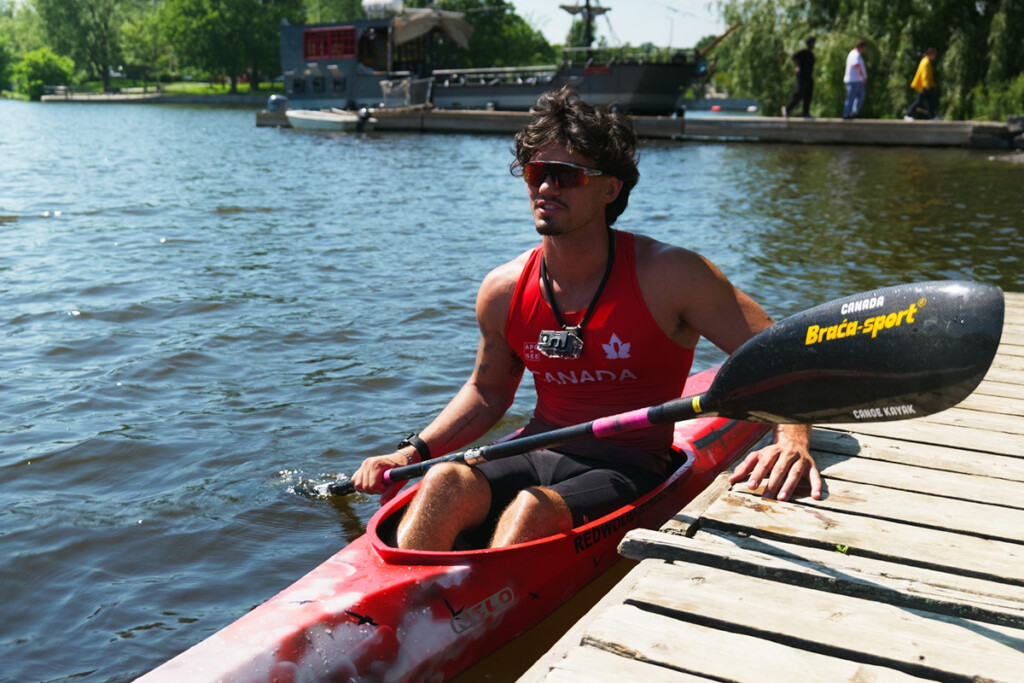
“I’m really interested in how the human brain works and how people interact,” he says.
“It’s also a great pathway into sports psychology.”
As a national team athlete, Wheeler spends time with psychologists who help him prepare for races and manage the rigours of training. He’s paddling or in the gym seven days a week and, in addition to strength and cardio work, has to be ready to perform at peak levels in wind, rain and far-flung locations around the globe.
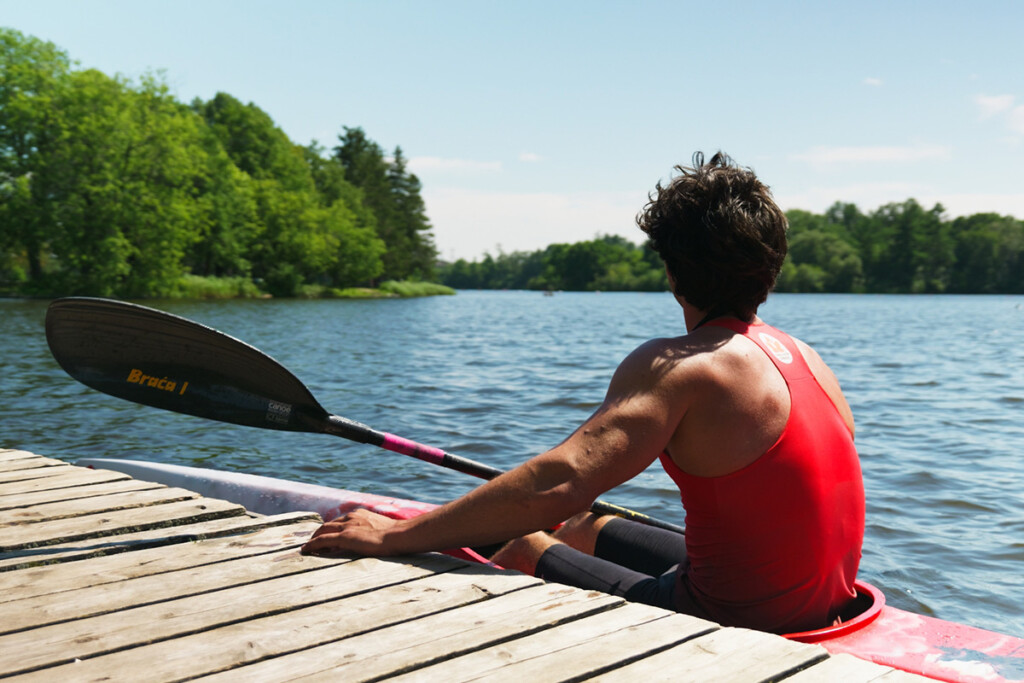
Although his kayaking career is just taking off and he’s eyeing the 2032 Olympics, he’s already looking ahead to eventually working as a sports psychologist.
But his educational journey is a marathon not a sprint, and he’s got a few years to figure out where his life might lead.
For now, Wheeler is taking the lessons learned on the water — balance, discipline, teamwork — and applying them toward both school and sport.
Balance is the key to his success on both fronts. Strong time management skills (and very understanding professors) allow him to juggle studying and paddling. It also allows him to zip across the water in a narrow, tippy kayak.
“Oh, I’ve definitely fallen in,” he laughs, “but it’s been a couple years.”