Scarborough Charter Forum Brings Leaders Together in Ottawa to Advance Black Flourishing
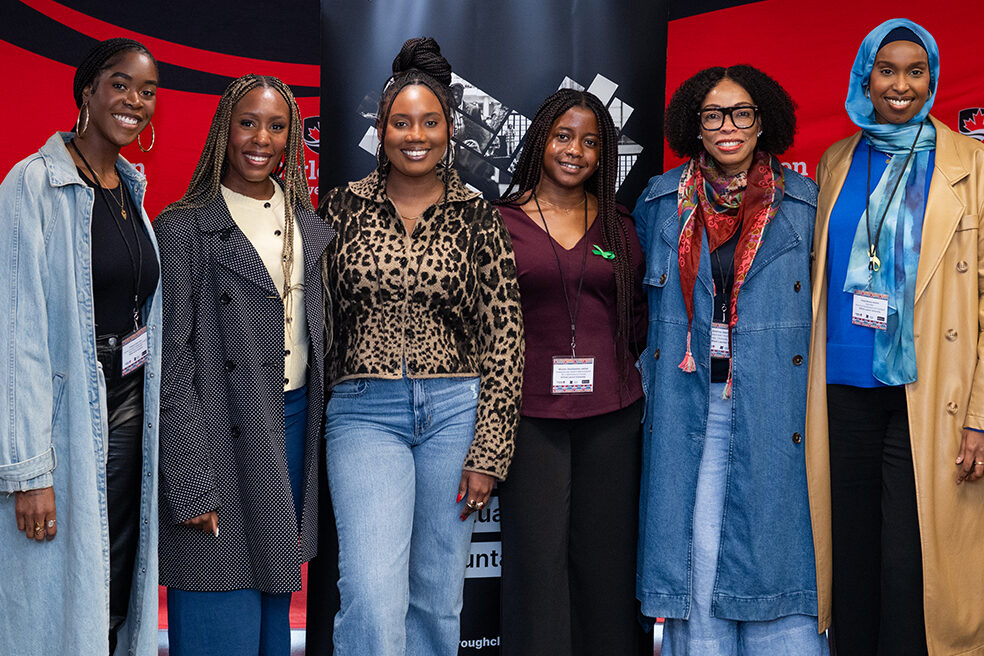
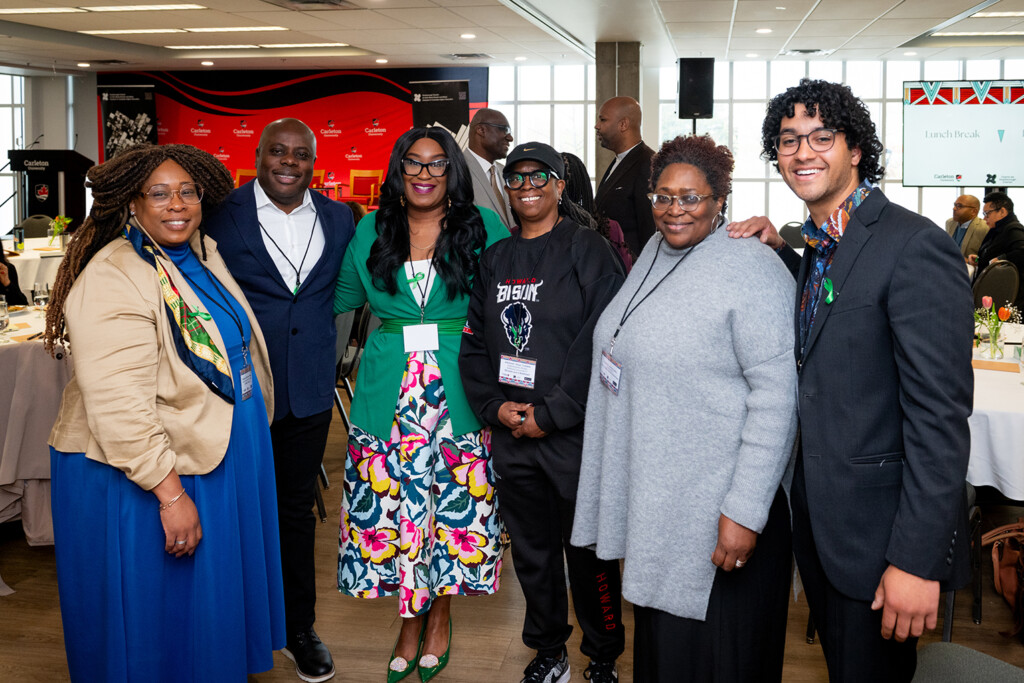
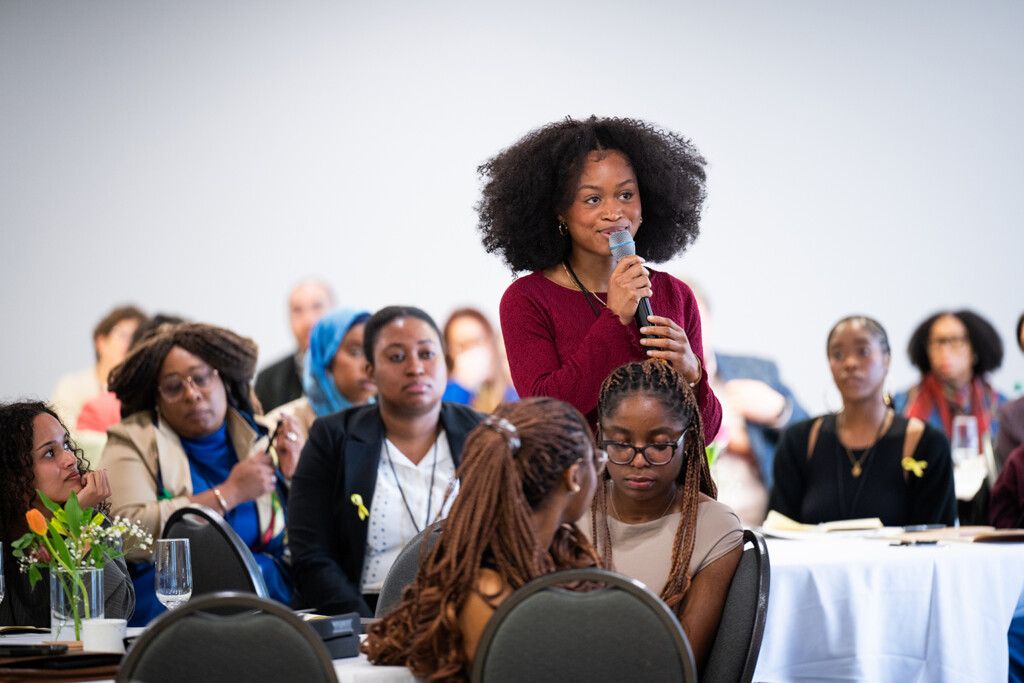
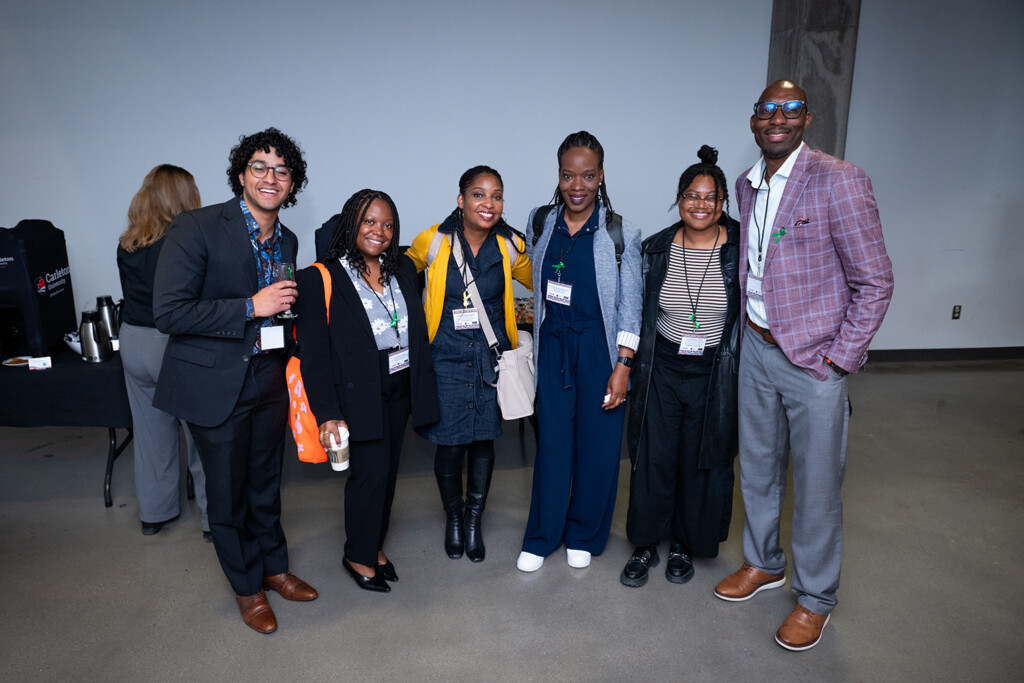
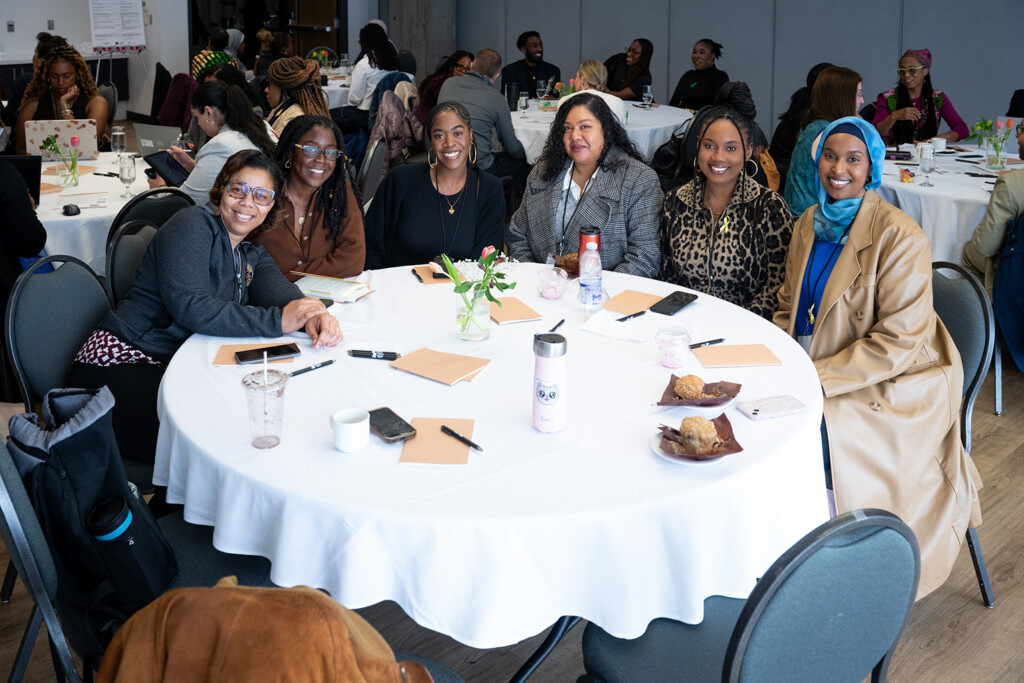
Ottawa welcomed more than 200 senior leaders, scholars, students and community partners on May 14 and 15 for the third Inter‑Institutional Forum of the Scarborough Charter on Anti‑Black Racism and Black Inclusion in Canadian Higher Education.
Hosted by the Scarborough Charter Secretariat, Carleton University and the University of Ottawa, the forum drew representatives from post‑secondary institutions, student associations and community groups working to advance Black inclusion across the sector. This year’s event marked the forum’s largest signatory member representation to date with delegates participating from 43 of the 63 Charter members and nine additional non‑member institutions. The strong participation emphasized the sector’s ongoing commitment to Black excellence in higher education.
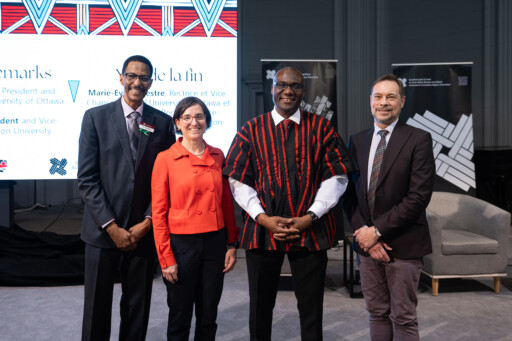
Associate Vice-President, Equity and Inclusive Communities, Carleton University
Centred on the theme “Advancing Black Excellence and Opportunities in Challenging Times,” the two‑day gathering examined how institutions can strengthen Black access, participation and leadership amid shifting political and economic pressures.
Day One at Carleton University
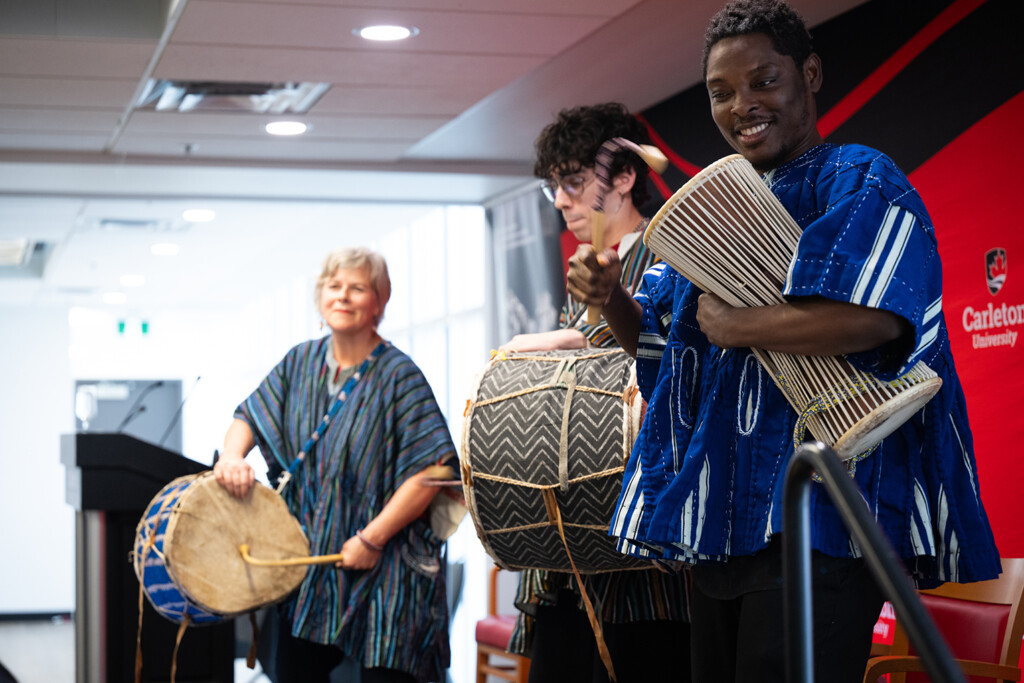
The opening day began with a performance by the West African Rhythm Ensemble. Carleton president Wisdom Tettey acknowledged the pressures facing universities and urged leaders to maintain their commitments.
“We cannot allow challenging times to weaken our resolve,” he said. “Our responsibility is to ensure that Black inclusion and flourishing remain central to the mission of higher education.”
Keynote speaker Liban Abokor, founder and CEO of Reimagine LABS, outlined the political, social and economic forces reshaping equity work and challenged institutions to consider what meaningful adaptation requires.
A panel on intentional Black inclusion brought together scholars from journalism, architecture and African Studies who emphasized that representation, spatial justice and knowledge production shape Black experiences on campus and argued that inclusion must be embedded in institutional culture rather than treated symbolically.
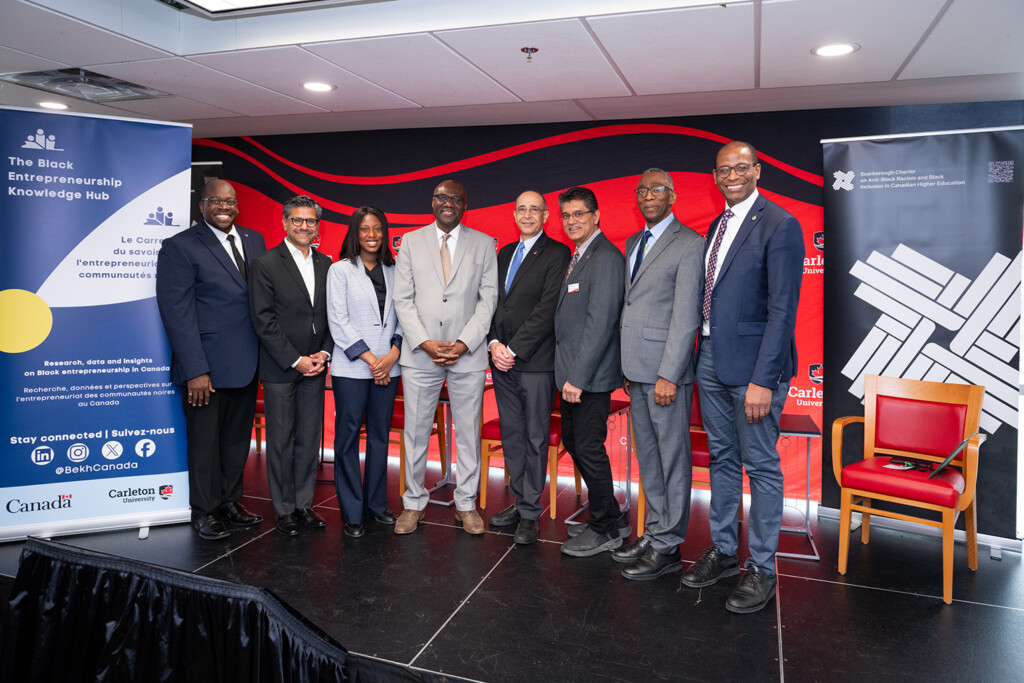
A presidents’ panel later in the day highlighted the role of senior leadership in sustaining equity commitments, pointing to governance, accountability and resource allocation as essential components.
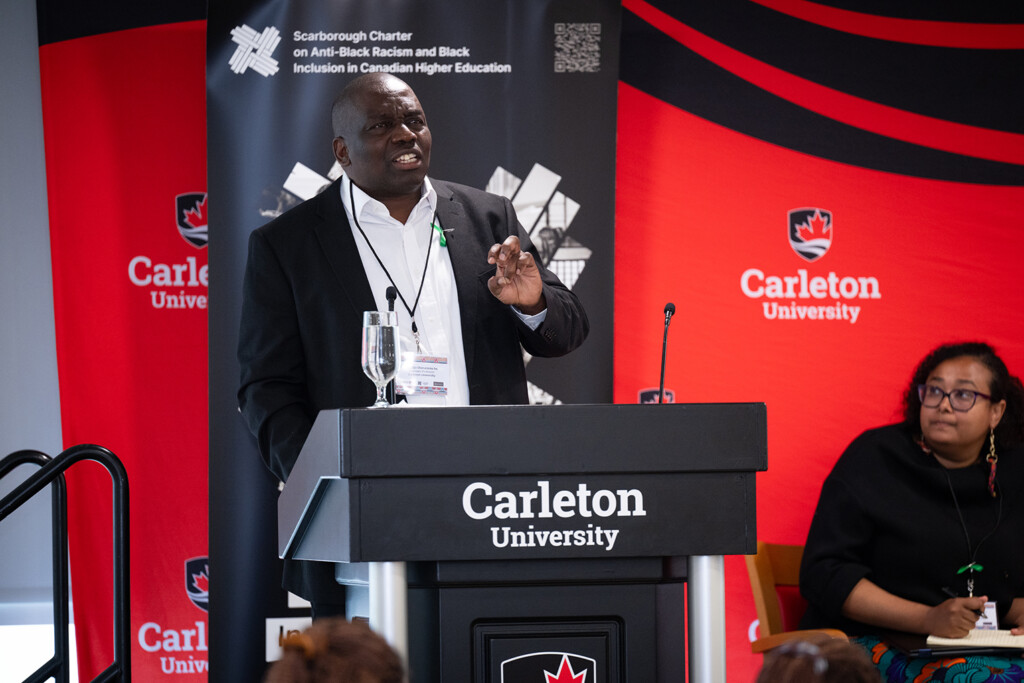
Carleton’s Associate Vice‑President, Equity and Inclusive Communities Noël Badiou closed the day by highlighting solidarity and measurable action.
“Progress requires bold leadership, intentional investment, expanded opportunity and measurable accountability, all undertaken in genuine solidarity with Black communities whose experiences and expertise must guide institutional action,” he said.
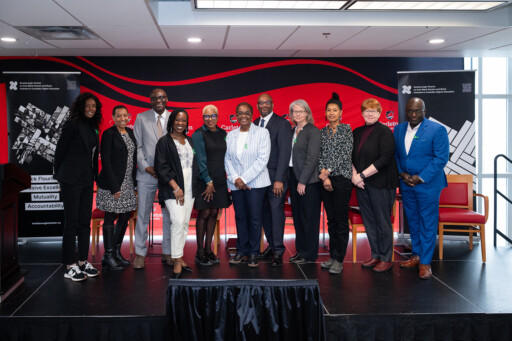
Day Two at the University of Ottawa
University of Ottawa president Marie‑Eve Sylvestre opened the second day by emphasizing the importance of linguistic diversity in equity initiatives. A panel examined how bilingual and Francophone institutions can integrate linguistic realities into their approaches to Black inclusion.
Keynote speaker Malinda Smith spoke about the role of disaggregated data and data justice in tracking progress, arguing that institutions cannot dismantle systemic barriers without robust and meaningful data.
A subsequent panel featuring experts in nursing, pediatrics and mental health explored inequities affecting Black women, children and families, calling for culturally responsive systems in education, research and care.
Ottawa City Councillor Rawlson King reflected on the collaboration between the municipal government and post-secondary Institutions. A spoken‑word performance by Aishah Salim provided a cultural highlight
In closing remarks, presidents Tettey and Sylvestre reiterated that advancing Black excellence requires sustained leadership, investment, opportunity and accountability, principles echoed throughout the forum.