Amanda Bullock
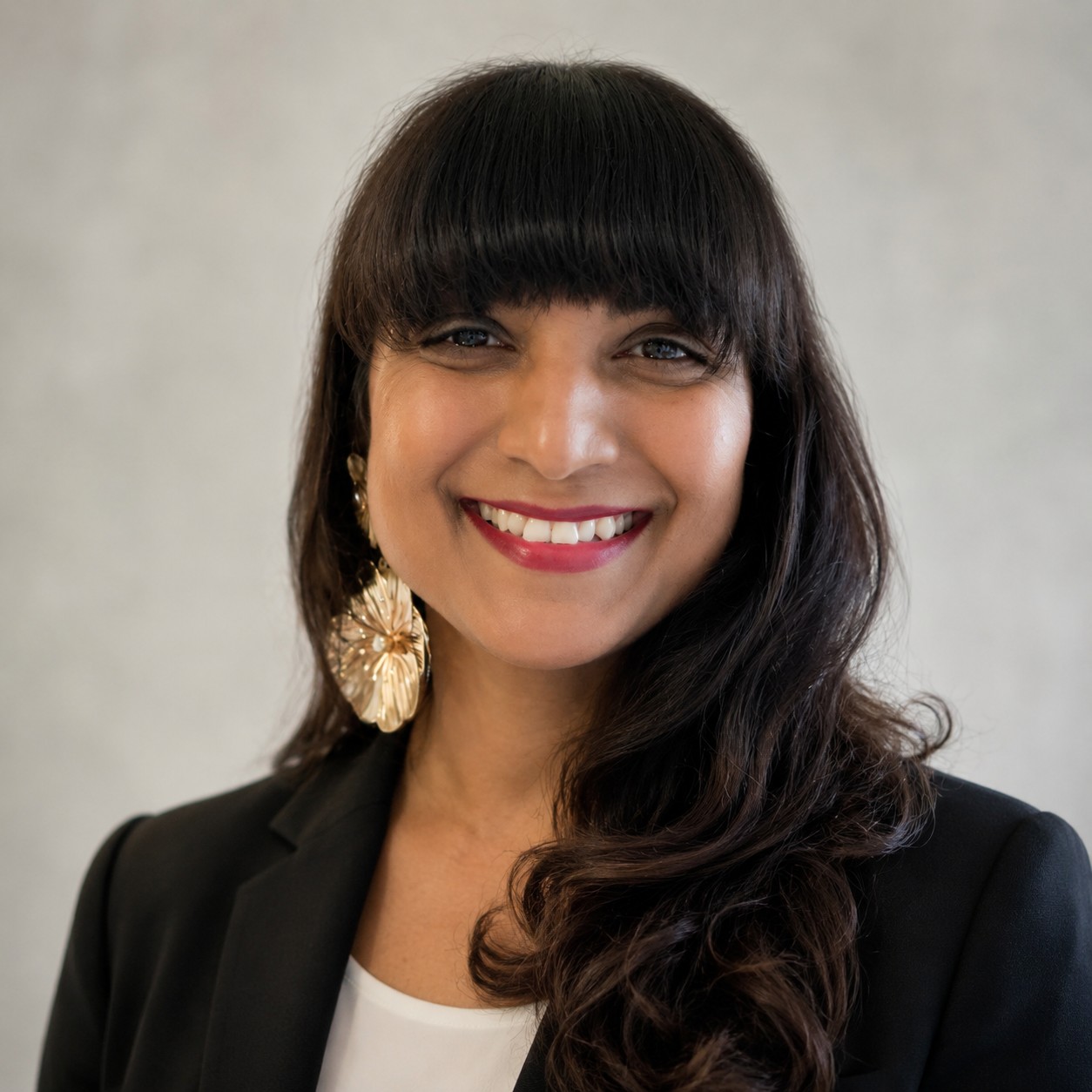
- Doctor of Philosophy in Developmental Psychology (2017)
Amanda earned her Doctor of Philosophy in Developmental Psychology from Carleton University in 2017. She currently serves as a Program Manager of Operations in the Information Environment with the Department of National Defence and is also an Adjunct Research Professor, contributing her expertise to both applied and academic settings.
“I’d encourage students to stay curious and open to new experiences, even if they’re unsure where they lead. It’s okay to try things and realize they’re not the right fit. You don’t need to have everything figured out all at once. And just as importantly, make space to enjoy being young along the way, without feeling pressured to have a fully defined path right away.“
Brief description of what I do!
I manage defence research and operational coordination related to the information environment. Essentially, I work between the military and scientists to help develop better tools, training, and doctrine for detecting and countering misinformation and disinformation, including the use of AI technologies.
What inspired your career path after graduation?
What inspired my career was the opportunity to contribute to work that has both human and national significance. I began by studying the effects of military life on families and eventually moved into the information environment space, where the work now focuses on challenges that influence public trust, democratic resilience, and Canada’s sovereignty in a rapidly evolving technological landscape.
How did your experience in the psychology program shape your journey?
The psychology program shaped my career by giving me a deep understanding of human behaviour, decision-making, and social influence, all of which are central to today’s information environment. Through studying psychology and conducting research, I developed strong analytical and evidence-based thinking skills that now support my work connecting military stakeholders and scientists
What skills or experiences were most valuable after graduation?
After graduation, the most valuable skills I carried forward were statistical and qualitative analyses and critical thinking. Training in developing research questions, conducting literature reviews, and considering alternative explanations strengthened my ability to evaluate evidence and approach complex problems systematically.
Do you have a favourite memory from your program at Carleton?
During my time at Carleton, a couple of experiences really stood out. In first year, my psychology Professor Matt Sorley was extremely passionate about teaching and made the subject genuinely engaging, which helped build my early interest in the field. Later in graduate school, my advisor Rob Coplan was especially influential because he was supportive, highly knowledgeable, and gave me early opportunities to contribute to publications, which helped me build my research and career portfolio.
What has been a highlight or proud moment in your career so far?
A key highlight of my career has been staying adaptable, open-minded, and willing to learn as I’ve moved through different roles within Defence. I’m proud of being assertive in seeking new opportunities and successfully taking on increasingly complex work in the information environment while supporting defence science and operational needs.