Chemistry Convocation Celebration
Congratulations to our 2021 graduates from all of us in the Department of Chemistry! We are so proud of what you have accomplished during this challenging year and we are excited for you as you embark on the next phase of your life. We wish you all the best in these new adventures and encourage you to stay in touch. As a Carleton alumni, your experiences and mentorship are invaluable for the students who follow in your footsteps. We look forward to hearing from you in the future!
Watch our virtual celebration from Friday, November 12!
Graduate Spotlight
Read about some of our star students!
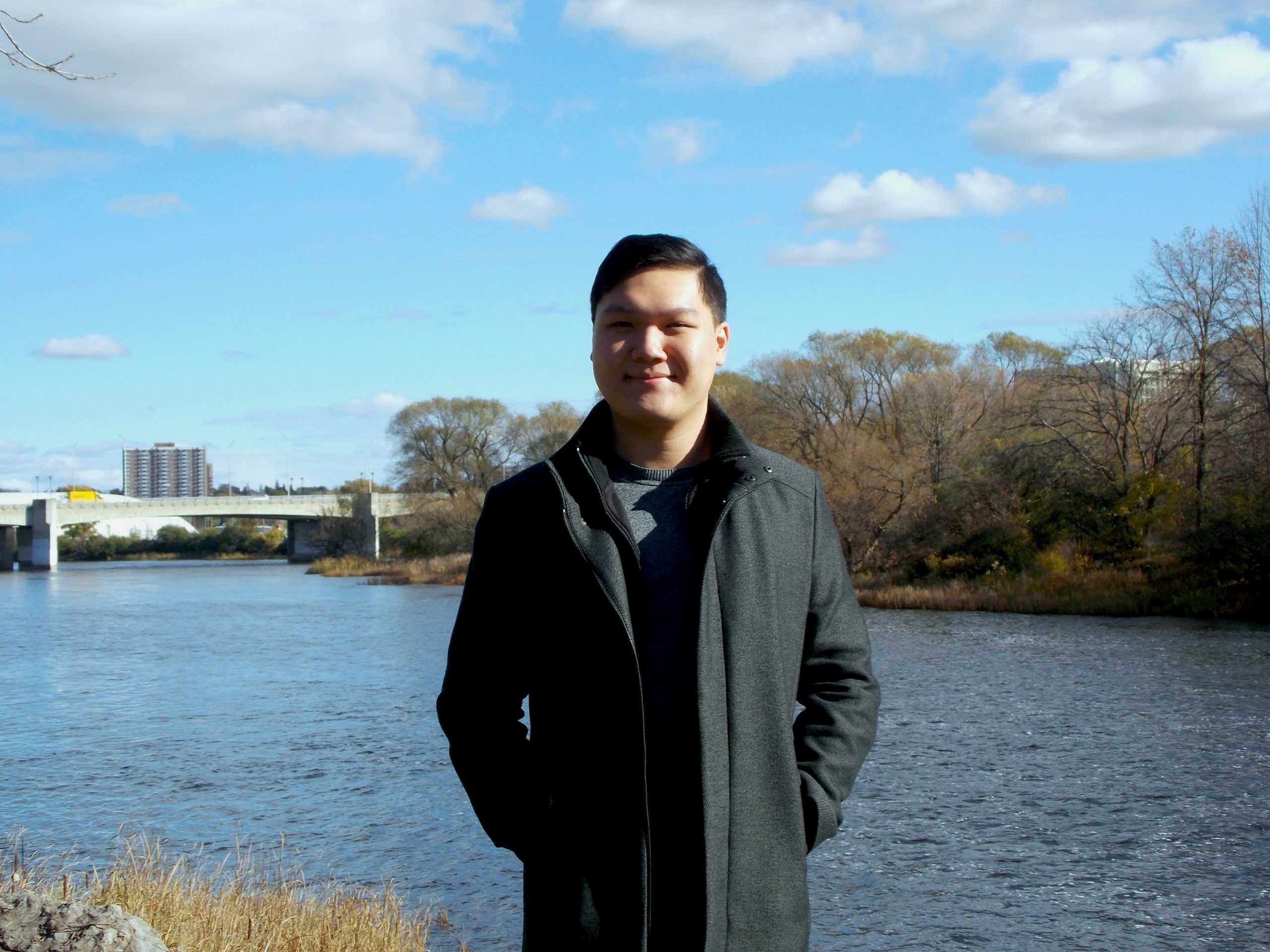
What transferable skills have you gained from your studies?
What did I not gain from my studies?! During my undergraduate studies, I have acquired a plethora of skills and knowledge that are all undoubtedly transferable. To mention a few, scientific communication has been an invaluable asset I’ve gained from writing reports and papers and giving presentations about my work. After taking full course loads and sometimes course overloads, as well as working as a Teaching Assistant during my upper years, time management and the ability to prioritize projects are major skills I have also gained. The list is endless but some other key transferable skills have to be teamwork, problem-solving and analytical skills, and most importantly, completing my studies during the pandemic has contributed to my adaptability skills.
Do you have any advice for new Chemistry students?
Get involved in research, there are many opportunities available and don’t hesitate to reach out to Professors and Teaching Assistants. Be organized and plan ahead for every class to stay on top of deadlines. Always make time to relax…and sleep!
Do you have a favourite memory from your classes/program?
Making new connections and getting to personally know a bunch of brilliant, talented and knowledgeable individuals. And of course, graduating in this moment alongside my friends, colleagues and mentors will be a lifelong memory.
What are your future plans?
I joined the Department of Chemistry at Carleton as Lab Coordinator!
What excites you about chemistry?
Chemistry is everywhere and in everything. You can explain anything with chemistry and the more you learn about chemistry, the more intriguing and fascinating it becomes.
Your experience at Carleton University as a whole?
Life-changing
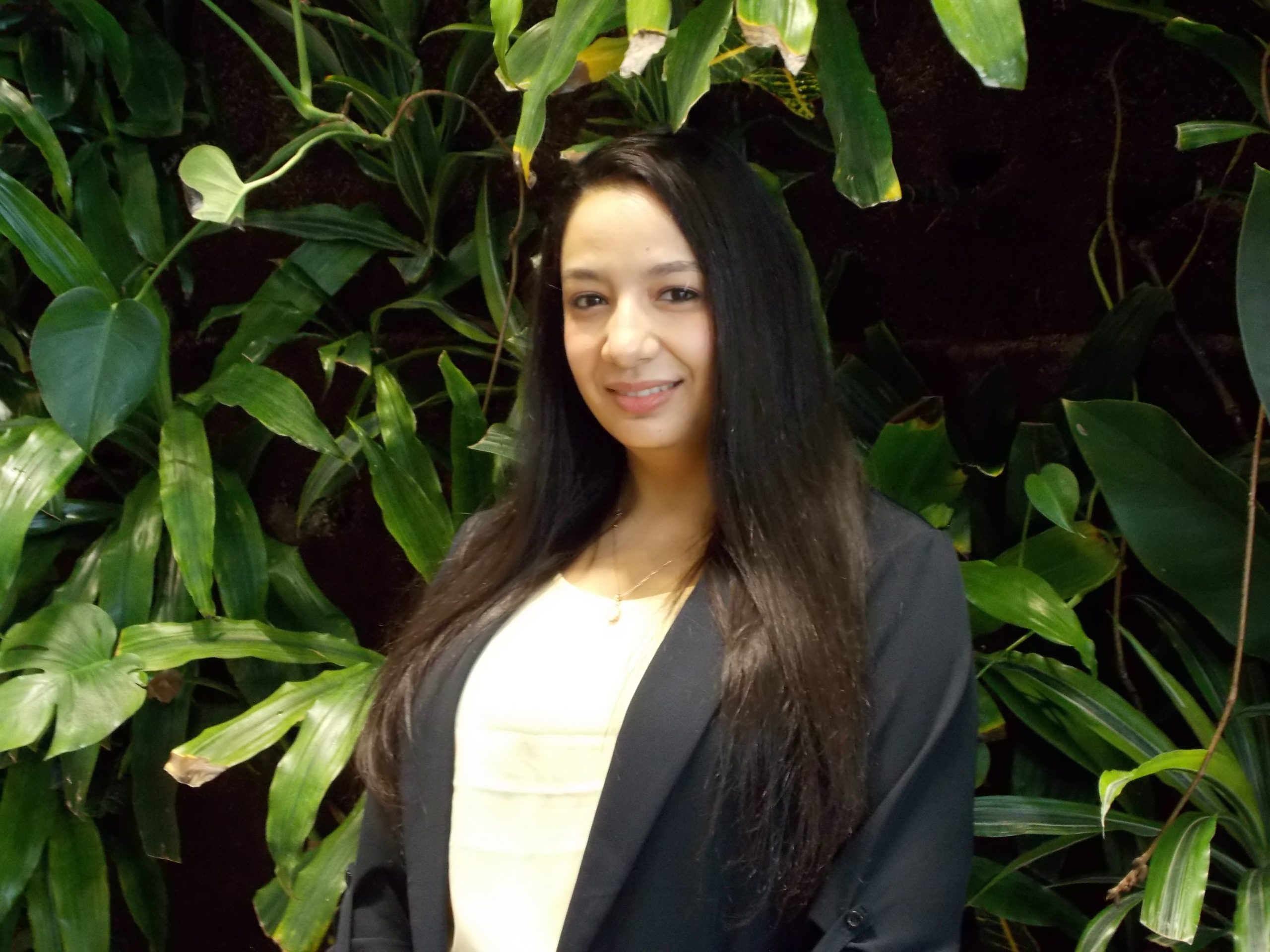
What attracted you to the PhD program in the Department of Chemistry?
Chemistry is an incredibly fascinating field of study, I did my PhD at the chemistry department because the program is designed to prepare you for the future, the knowledge and skills gained from the courses that are offered in this department are directly applicable to many jobs in science and technology. Since chemistry program provides many of these skills and is a fundamental driver in the business and commerce sector of our society, chemists and biochemists are likely to remain in continual demand.
Do you have any advice for new Graduate students?
I would advise new students to be open, collaborative, and expand your networking circle, these are the most essential assets for your future career. My second advice is to try to find a balance between research and life, it is easier to forget yourself when you are doing research. Foster your passions and hobbies outside of your academic work and engage with the community, because these experiences will make you see the world from a different perspective; also it will make you a better researcher and student. And last, focus on personal growth and do not rush to complete your degree trajectory and by overthinking what can go wrong, but instead enjoy the experience and celebrate each small success and achievement which will help your career path.
What transferable skills have you gained from your studies?
The Chemistry program at Carleton gives your hands on experience and skills, well rounded professors in many of the program including my PhD supervisor Dr. William Willmore working with environmental toxins in the environment and how it contributes to the outcome of many cancers including colon cancer which was the focus of my project. During my postgraduate studies, I have been acquiring all kinds of knowledge and skills that the “real world” values highly, you will find all sorts of “transferable skills” things you know how to do that you can immediately apply in another field. I loved teaching the chemistry lab class, I also have discovered that I really enjoy mentoring others and helping them one-on-one. This led my current careers in teaching Health science course, where I was able to instruct students and young scientist in the field of health and how I can use my current knowledge about chemistry and biochemistry to demonstrate how these fields all integrated into health. One of the most valuable skills that you obtain are analytical and problem-solving skills to carry out complex tasks as well as to analyse a large amount of data/information.
Do you have a favorite memory from your classes/program?
One of my favorite memory about my program, I was able to join the CREATE-REACT program. The goal of the program is to provide professional training and practical employer ready skills to students to meet the needs of the chemical, natural resources, laboratory service and consulting industries, and the regulatory agencies. I was able to work on toxicological projects with other teams from other Universities including University of Laval, University of Ottawa, and University of Alberta. While my schoolwork remains a top priority, I have also branched out into volunteerism with the Paul Menton Center for Student with Learning Disabilities at Carleton I began volunteering as a mentor for the program. Mentors have various roles that include: helping with the registration of participants; facilitating interactive sessions with students; accompanying students on campus tours; and participating in Student Success Panels to share ideas for successful transitions to university life. Finally, I have attempted to act as a role model to first-year and prospective students with Learning Disabilities or ADHD; sharing my personal experiences in order to assist other students. Finally, my favorite events that takes place twice a year at the Chemistry department is the Magic Show, which I volunteered for couple of years.
What excites you about Chemical and Environmental Toxicology?
I am actually the first graduate from this program at PhD level, my academic journey was filled with so many exciting new tools that the program provided such as learning about the Adverse Outcome Pathway (AOP), which is a model that identifies the sequence of molecular and cellular events required to produce a toxic effect when an organism is exposed to a substance. Furthermore, my favorite part about this program is the ability to influence policies to limit our exposures to toxic substances, thereby preventing or reducing the likelihood that a disease or other negative health outcome would occur. Last, my favorite part was my actual research that took place during my PhD investigating how cadmium exposure could alter genes and proteins expression and potentially be a causative agent to colon cancer.
Your experience at Carleton University as a whole?
Carleton University is well known for its thriving community and student-centered learning opportunities. It is an institution that prides itself on innovation, creativity, and flexibility. I was so glad I have chosen Carleton University to do my PhD. The chemistry program gave me many opportunities to gain many skills as well as to present our work and practice confidence for public speaking such as graduate seminars and conferences, research days, and lab meetings. I have also been impressed with the leadership of the faculty and administration in providing direction and guidance to the faculties and departments, especially during challenging times.
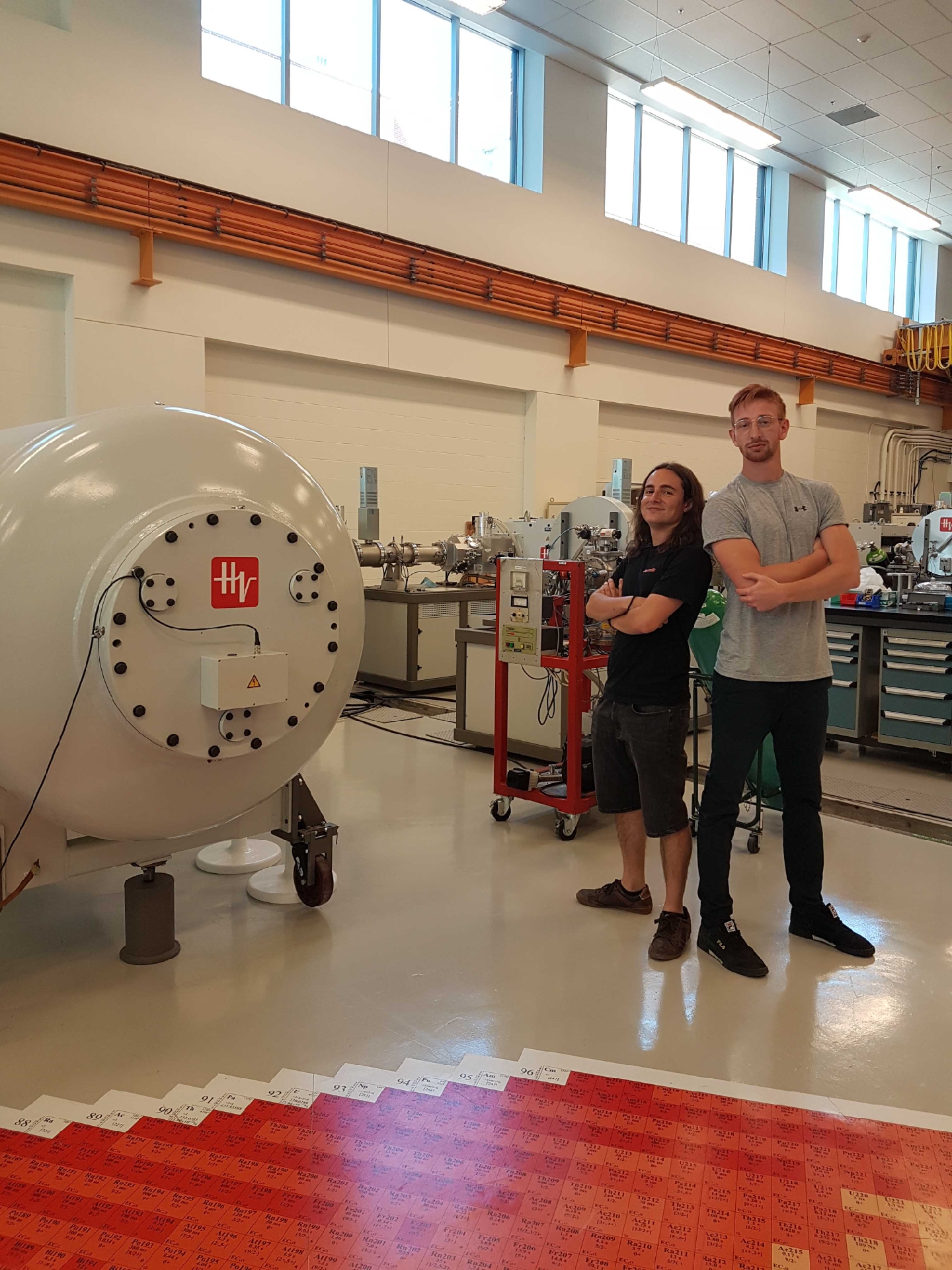
Do you have any advice for new students enrolling in a combined major?
Taking a combined major in chemistry and physics is for someone who is prepared to work hard and take a heavy course load. In return, in my experience at Carleton, hard work pays off. Carleton has world-class professors and ongoing research so reach out and learn about research opportunities. There is plenty of positions for student and many kind, intelligent experts and professors to learn from. It is also important to become extremely organized and familiar with your calendar. A huge tip is to also put the percentage of what assignments are worth next to the due date. Take courses in the summer to alleviate some of the workloads. Last but not least, remember that for almost all of the days of the year, life is meant to be enjoyed.
What excites you about Chemistry and Physics?
I have a natural curiosity about how the universe works. My five-year-old self would regularly pester my parents with questions about why fire is hot and why the clouds float at the height that they do. Studying the fields of both chemistry and physics is perfectly positioned for understanding the phenomena that we all see every day and take for granted. Why are things soft or hard, coloured or clear, sticky or fragile? How is life possible, why does it rain, what is radioactive decay? The list goes on and on. Thankfully, centuries of scientific endeavours and discoveries have made a substantial dent in answering such questions, and if you like hard work, you can learn from the centuries of science to think in a way that answers questions about our universe. And evidently, centuries of science have also positioned chemists and physicists to use their knowledge for some of the most innovative and impactful innovations of the modern world. My passion for chemistry and physics is driven not just from curiosity, but also by a drive for purpose and to do good. I will be using the knowledge I gained at Carleton University in chemistry and physics to try to better the world.
What are your future plans?
My future plans are to study computational chemistry for molecular engineering and design using machine learning techniques. I have started research and my masters at McGill University on machine learning for drug discovery. I hope to use my learning and knowledge in chemistry and physics, combined with computers to make a positive contribution to our world.
Keep in Touch