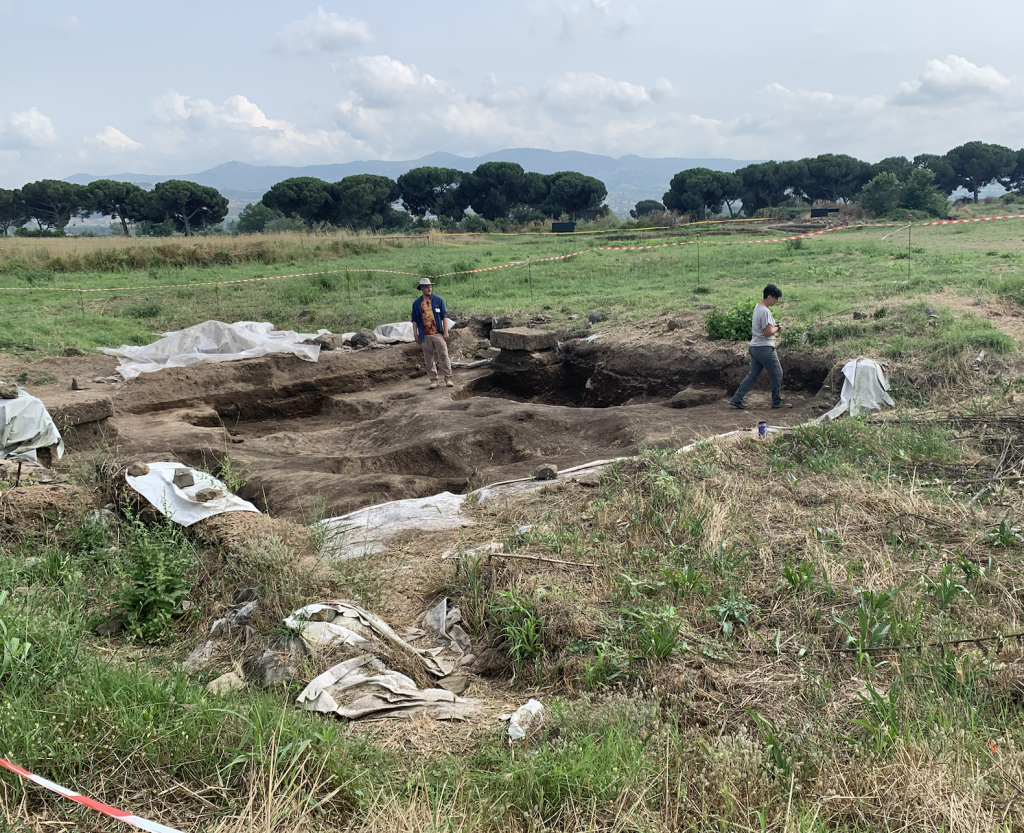
Summer Fieldwork Guidelines and Help
I’m interested in fieldwork this summer, what do I do?
The basics:
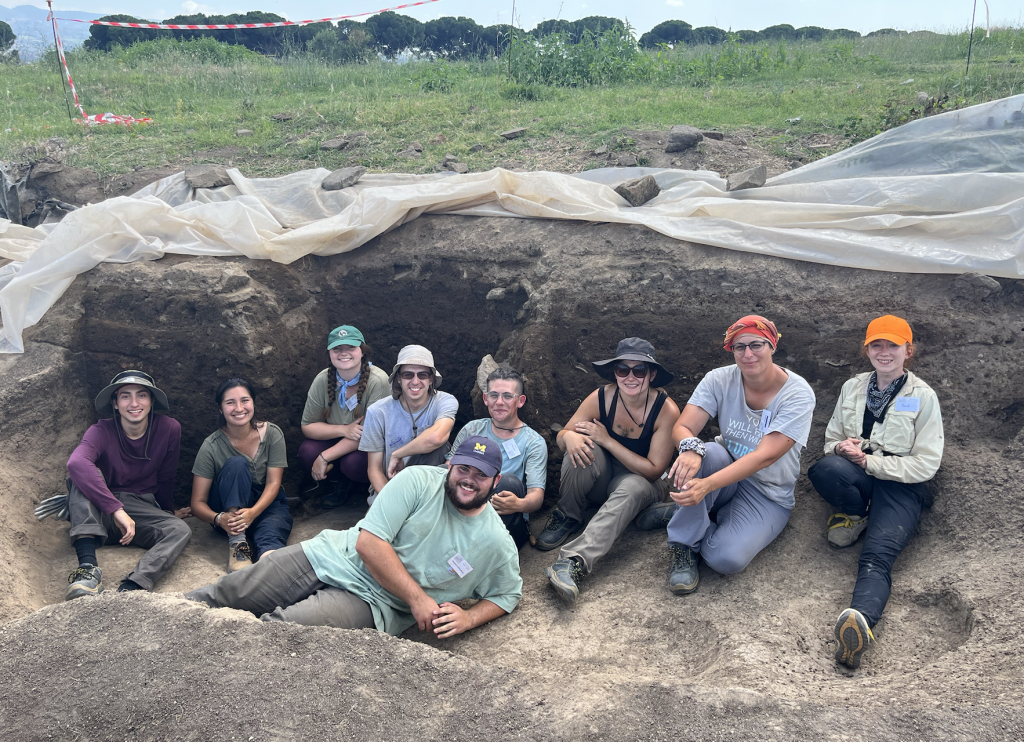
- There are archaeological field schools all over the world looking for students and volunteers. Depending on the goals, length, and location of the project, students may get just basic exposure to archaeology, or much more detailed knowledge. Some projects can last for a week, whereas others you have to commit to a longer stay in order to participate.
- You typically have to pay for your travel to the site, and a program fee to participate (this fee may or may not include accommodation and food). Many projects offer guided tours to other local museums or archaeological sites as part of your training. Other expenses to you may include some basic equipment, like a trowel and tape measure, suitable fieldwork clothes (depends upon the climate) and footwear (steel-toed boots are sometimes required). Prices vary widely — but the field school listing should have the full information.
- Some field schools are run by universities, others by government departments, others by non-profit organizations.
- Field work can be physically demanding, and conditions are sometimes too dry, too wet, too hot, too cold, too buggy, too sunny, too far up a hill, or otherwise uncomfortable. Food is sometimes great, but more often it is a bit basic and sometimes different from what you’re used to. Accommodation varies from comfortable cabins, hotels, or communal houses to tents without any conveniences.
- Once you have field experience, summer jobs are often (but not always) available in field archaeology — either helping to teach the next class of students in the following year’s field school at the same project, or with private firms doing archaeological work in Canada helping to support the construction and development industries.
Link to Blogs of Student Excavations
For examples of the types of locations and projects students from Carleton have participated in in the last few years, please see the CU Portfolio website (click on the Archive tab to scroll through previous years).
Getting Academic Credit From Carleton
You may wish to use your archaeological field school experience to get academic credit towards your degree (Carleton has Greek and Roman Studies BAs and a Minor in Archaeology).
There are two ways to do this. Before you do either of these things, you need to speak to the archaeology advisor at Carleton, currently Prof. Laura Banducci.
- Register at Carleton for a 0.5 credit summer course: ARCY/CLCV 3000 or 3301. You will choose the summer semester in which your field school program ends (e.g. if your field school ends June 17th, you can enroll in Carleton’s early summer semester. If your fieldschool ends July 30th, you can enroll in the late summer semester.)
The prerequisite for this course is ARCY/CLCV 1008 and 1009. Your field project must be at least 3 weeks in length (a week is 5 working days). If it is 6 weeks or longer, you may discuss with the Carleton archaeology supervisor the possibility of receiving a 1.0 credit.
In order to receive credit, you must complete the requirements of the Carleton course, which typically involves some basic journaling and other writing. See a sample syllabus.
OR
- Transfer credit. If the organization offering the field school program is connected to a university, they may offer their own credit. Once you have finished the field school, you will need to receive a transcript with your completed credit from that institution and can show it to the Carleton registrar to apply it to your Carleton degree. Note that, you typically need to get permission from Carleton to apply this transfer credit BEFORE you begin your field school through a Letter of Permission. Also note that transfer credits from other universities which appear on your transcript do not have a grade, so they will not contribute to your Carleton GPA.
Deadlines
Field schools running in the Spring/Summer typically start advertising their dates and available spaces in the previous Fall and have deadlines for applications in the early Winter.
Applying for academic credit from Carleton can be done late in the winter semester for the following summer semester.
Financial Assistance
Speak to the archaeology advisor at Carleton for new or limited-time funding opportunities, but typically these are worth investigating:
- Maurice Price Travel Bursary
- AIA Ottawa Chapter Fieldwork Scholarship (speak to Prof. Susan Downie about this)
- CIMS-CIG Student Travel Bursary
- Etruscan Foundation
Databases of Field Work Sites
There are several well-maintained listings of sites looking for students and volunteers linked below. To choose an archaeological project, think about where you might like to go, how much you can spend, and what you want to get out of it. Do you just want to try a dig for a day, without having to travel far from home? Do you want to spend more time and get an academic credit? Are you interested in a project which focuses on excavation, mostly involves laboratory work dealing with artefacts or other finds, or field survey where you hike across vast landscapes? What kind of living conditions are you willing to put up with?
Check to see that Canadian students at your level are eligible to participate. Once you have a few options you are interested in, please speak to Carleton’s archaeology advisor, Prof. Banducci, about your preferences.
Worldwide:
- Archaeological Institute of American field school bulletin lists projects worldwide
- The Institute for Field Research
- The Center for Field Sciences
In Canada:
- Ontario Archaeological Society
- Through Trent University (typically runs every second year, but always worth looking into)
Belize