Philosophy’s Dr. Jay Drydyk on the Ethics of High-Speed Rail Development
Retired Carleton philosophy professor Dr. Jay Drydyk is bringing decades of expertise in development ethics to one of Canada’s most debated infrastructure proposals: the ALTO high-speed rail project.
Drydyk, Professor Emeritus in the Department of Philosophy and former president of the International Development Ethics Association, recently submitted a detailed public brief examining the ethical dimensions of the proposed rail corridors linking Toronto, Ottawa, Montreal, and Quebec City. For Drydyk, the project raises questions that extend far beyond transportation logistics or economics.
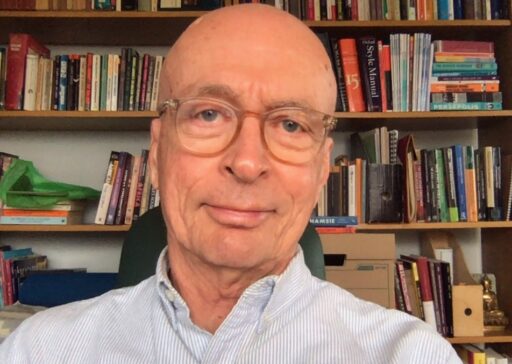
“Infrastructure decisions are not only technical or economic, but ethical,” he said. “The public see that the inter-city transportation system in Ontario and Quebec is broken and long overdue to be fixed. And yet the public are being effectively excluded from decision-making about where a high-speed line should be built.”
Drydyk’s work draws on more than 25 years of research into development projects involving land acquisition and displacement. Much of that work has focused on the social, political, and environmental consequences of large-scale infrastructure development and the ethical responsibilities that accompany it.
“What I noticed is how little the ALTO developers had learned from bad experiences with this kind of development in the past,” he said. “ALTO will affect far fewer people than some infamous projects like the Narmada dams, but it shows similar disrespect for the public and for stakeholders.”
His brief argues that the conversation around high-speed rail must grapple with competing forms of harm and responsibility. While Drydyk stresses that failing to invest in rail infrastructure carries serious long-term climate consequences, he also warns that some proposed corridors could create significant ecological and community impacts.
“Not building high-speed rail at all would have very harmful impacts through climate change,” he said. “But building it on a route through the Rideau Lakes and Frontenac Arch will cause severe harms to fragile ecosystems, violating environmental laws and international commitments.”
Drydyk also points to concerns around fairness, public consultation, and regional impacts, including the potential weakening of existing passenger rail services along the Highway 401 corridor.
“What the ALTO group do not seem to grasp is that it is not possible to achieve fairness through land purchase alone,” he said. “Solutions require additional investment to build overpasses, for example, and genuine consultation with communities to understand where they should be built.”
Ultimately, Drydyk hopes the project prompts broader public engagement around how major infrastructure decisions are made in Canada.
“I think we need a high-speed public inquiry to hear all the voices, see all the evidence, and on that basis recommend which corridor should be chosen,” he said.
Interview
What motivated you to apply a development ethics lens to the current ALTO high-speed rail proposal?
For more than 25 years I’ve been studying development projects that take land and displace people. So here is one in my own back yard! What I noticed is how little the ALTO developers had learned from bad experiences with this kind of development in the past. The public see that the inter-city transportation system in Ontario and Quebec is broken and long overdue to be fixed. And yet the public are being systematically excluded from decision-making about where a high-speed line should be built. ALTO’s ‘consultation’ so far has been a one-way advertising campaign. ALTO will affect far fewer people than some infamous projects like the Narmada Dams, but it shows similar disrespect for the public and for stakeholders.
Your brief argues that infrastructure decisions are not only technical or economic, but ethical. What are some of the key ethical questions you believe the public should be considering?
I’ve mentioned concerns about disrespect, excluding people from decision-making. Two other areas of ethical concern are harm and unfairness.
On harm, to keep a balanced view: not building high-speed rail at all would have very harmful impacts through climate change – which endangers people and property alike. But building it on a route through the Rideau Lakes and Frontenac Arch will cause severe harms to fragile ecosystems, violating environmental laws and international commitments. Building it either there or north of Highway 7 will also have significant social and economic impacts on the current transportation corridor near Highway 401, by relegating passenger rail there to the current shambles of VIA Rail, or worse.
Fairness in these cases means that development should not benefit some people at the expense of others. What the ALTO group do not seem to grasp is that it is not possible to achieve fairness through land purchase alone. For instance, a rail line without enough overpasses can break up regional transportation, affecting lives by delaying emergency vehicles. Solutions require money to build the overpasses and genuine consultation with communities to understand where they should be built.
You emphasize transparency, accountability, and long-term environmental impacts throughout the project. What do you hope policymakers and the public take away from your recommendations?
I think we need a high-speed public inquiry to hear all the voices, see all the evidence, and on that basis recommend which corridor should be chosen for building high-speed rail between Toronto, Ottawa, Montreal, and Quebec City. Until then, the federal government should not make its final investment decision.
Meanwhile, I hope the public will learn more about the impacts of an ALTO project. As a starting point for information and research, I recommend the ALTO HSR Citizen Research Initiative.