What I Learned: Returning to Classes After Co-op
When you spend a year working full-time, returning to student life can feel like a bigger adjustment than expected. For Megan Bartholomew (a third-year Honours B.A. student with a concentration in Health Psychology and a minor in American Sign Language), co-op offered more than hands-on experience. It provided the opportunity to support fellow students, clarify future career goals, and develop practical skills that continue to make a difference in the classroom. From managing changing schedules to setting realistic goals and making time for hobbies, she reflects on the “intense” transition back to studies and how co-op helped prepare her for what comes next.
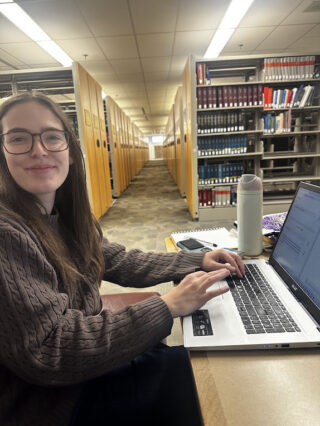
How did it feel to transition from a full-time work schedule back to being a full-time student? Was there anything that surprised you?
Even though I did all of my work terms on campus, the transition back to student life was still a significant change. After working as a co-op student for 12 months, I got very used to coming in for work at the same time and leaving eight hours later. Returning as a full-time student reminded me how my schedule is so different each day of the week. Having classes at all different times, managing part-time work, and finding time to study outside of that is quite the change from a regular full-time work schedule. Even though the transition felt intense in the first few weeks of classes, I was able adjust and step back into the familiar student role. I was surprised by the fact that even though I’m not working a full-time job on campus, I think I’m spending even more time on campus as a student!
Is there anything you wish you had done before your work term ended to make the transition back to classes easier? Do you have any tips for other students who are going through this transition?
Something I wish I would’ve done before jumping into my first semester back to studies would be to set aside time in my schedule for non-school or work-related activities. When working as a co-op student, my day ended at 4:30 p.m. and there was no work expected of me to be done after that time, which left lots of time to spend with friends and family and even time for hobbies (I did a lot of crocheting during my co-op work terms). Something I’d forgotten was how, as a student, there isn’t necessarily an end to schoolwork since there is always a deadline coming up. If you’re transitioning back to studies, don’t forget to keep time in your schedule for fun things too!
How did your co-op experience shape your career goals or influence the opportunities you want to pursue next?
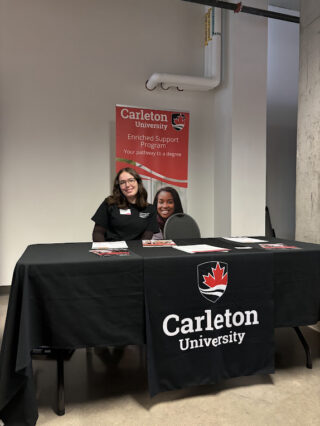
My co-op experience has made a big impact on my career goals. I had the pleasure of working at both the Co-operative Education office as a Co-op Support Student and the Enriched Support Program (ESP) as an Administrative Assistant at Carleton University. In both of these roles, I worked directly with other students. Working at Carleton has allowed me to gain valuable experience working in student-facing roles and has helped me confirm that I would like to pursue a career working with university students. Since my last co-op job with ESP, I have continued to work part-time in a different role supporting ESP students as a Workshop Facilitator and Team Lead where I plan and lead weekly academic workshops while also supporting a small group of facilitators. The connections and skills I’ve gained during my co-op jobs have allowed me to continue working in a related job even during my studies.
What’s a workplace skill or habit that made you a better student?
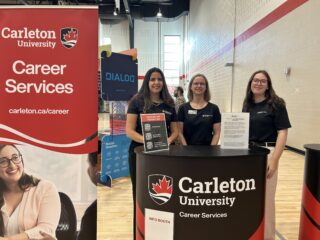
One important workplace skill I’ve learned in my work terms that I’ve taken with me into my studies is the ability to set realistic goals. In my work at both the Co-op office and the Enriched Support Program, I worked at the front desk. Something I learned from this was that my to-do lists were always too ambitious and would never take into account the unexpected drop-ins from students or the many calls or emails we would receive on a daily basis. After working in this environment, I learned to plan and set realistic goals for what I could accomplish during the workday. This is something that has been very helpful as a student as there are other unexpected tasks or responsibilities that come up that take time away from studying. Knowing how to set realistic goals has helped me plan accordingly, start schoolwork earlier, and get things done on time without leaving tasks to the last minute — for the most part!