ICCJ ARAC Student Award Winners
The Institute of Criminology and Criminal Justice is very excited to congratulate the recipients of the 2025-2026 ARAC Student Essay and Community Engagement Awards! The ARAC student awards are given out to students who are completing work exploring anti-racism and/or decolonization.
Please see our 4 winners below:
Anti-Racism award winner: Cassandra Fulcott
Essay tittle: Love as a Form of Resistance: Interracial Relationships During the Civil Rights Movement
This paper argues that interracial romantic relationships functioned as a form of resistance during the Civil Rights Movement in the United States despite its lack of recognition. While existing literature tends to celebrate organized protest and collective action as the primary drivers of social change, this paper highlights the political significance of acts of legal defiance performed through love. By engaging in relationships that blatantly violated anti-miscegenation laws and ideological social norms, interracial couples engaged in resistance that challenged the legal manifestations of white supremacy.Drawing on integrationist ideology, critical race theory, and a bell hooksian framework of love, the paper conceptualizes love as an intentional, ethical practice rooted in care, respect, and commitment. These theoretical frameworks demonstrate how interracial relationships embodied a belief in racial equality and a rejection of the constructed boundaries that reinforced segregative practices. The analysis positions these relationships within the broader legal context of anti-miscegenation statutes and the social setting of the Civil Rights Movement; here, the case of Loving v. Virginia is regarded as a landmark case to demonstrate how private acts of love intersected with public struggles for civil rights to successfully challenge discriminatory legislation.Ultimately, this paper argues that interracial love operated as legal defiance during the Civil Rights Movement by rejecting discriminatory laws and contributing to their eventual abolishment. By reframing love as a politically meaningful and transformative force, this paper expands dominant understandings of resistance, emphasizing the power of personal relationships to challenge systemic injustice and advance social change.
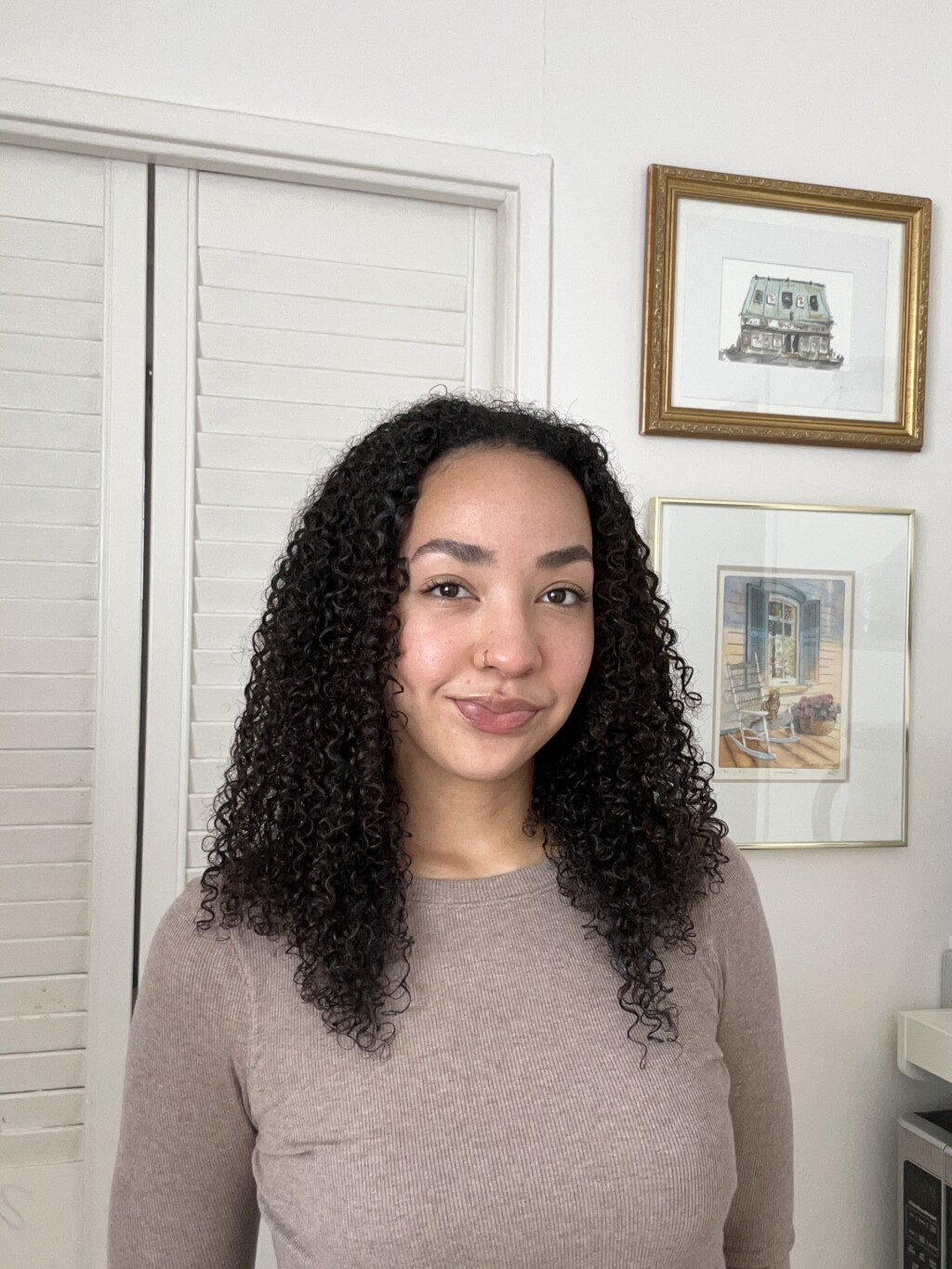
Decolonization award winner: Rebecca Ngo
Essay Tittle: Photovoice Abstract
This essay uses a photovoice format to provide visual storytelling in examining how colonial power structures influence land, epistemology, relationality, and Indigenous resurgence. It uses and analyzes two personally taken photographs that juxtapose the ongoing presence of colonialism with a perspective inspired by Nanabush. The first image reflects the commodification of land through the colonial state, while the second image highlights the relational and reciprocal connections that are facilitated in Indigenous frameworks. By attempting to see through the eyes of Nanabush, the photo considers how recognition is understood in Indigenous ways of knowing and being. Drawing on Sylvia Wynter’s argument of the “overrepresentation of man” and Leanne Simpson’s discussion of recognition and relationality, this essay contrasts colonial systems and epistemological dominance with Indigenous frameworks to draw attention to resurgence in the small, everyday details of how people understand recognition. Simpson emphasizes that recognition is shaped by colonial structures and how this then obscures Indigenous ways of knowing and being, underscoring the importance of shifting perception and relational awareness in the strive for decolonization. Wynter provides that the obscuring of Indigenous epistemology leads to the overrepresentation of the ethnoclass man which Indigenous people are excluded from. By placing these perspectives in conversation with one another through visual storytelling, this essay demonstrates how colonial systems continue to shape perceptions of recognition and relationality. It highlights that the potential for Indigenous resurgence begins with shifts in perception among the small and overlooked details of land and interactions with it. Ultimately, this essay advocates for decolonization through understanding Indigenous resurgence, ways of being, and recognition.

Community engagement award winner: Melissa Melbourne
Organization: The SOLUS Movement
My community engagement through The SOLUS Movement reflects a deeply intentional approach to addressing gaps in representation, fostering dialogue, and building solidarity among Black students at Carleton University. The movement is rooted in my own experience of isolation as a Caribbean student in a predominately white institution. SOLUS was created to transform personal reflection into collective empowerment. By creating a movement that centers storytelling through photography and poetry, my work invites the audience to confront the layered realities of identity, belonging, and marginalization within the Black diaspora.
The SOLUS Movement is inherently tied to anti-racism through its direct challenge to the silencing and invisibility of Black voices in institutional spaces. Projects such as Our Deepest Fear expose how systemic inequities operate within educational environments, while simultaneously encouraging Black students to recognize and assert their intellectual and cultural authority. SOLUS does not assume a singular Black experience. Instead, it actively disrupts internal hierarchies and tensions, particularly between Caribbean and African identities by creating space for representation and shared understanding.
My work also embodies decolonization by critically engaging with the historical legacies of colonialism that have shaped diasporic divisions and institutional exclusion. Through projects like I Understand, I extend my analysis to include solidarity with Indigenous communities, acknowledging our interconnected histories of displacement and resistance. In doing so, SOLUS moves beyond representation towards emphasizing unity without erasure. Altogether, The SOLUS Movement not only amplifies marginalized voices, but actively reimagines Carleton University as a space where diverse Black identities are recognized, valued, and empowered.
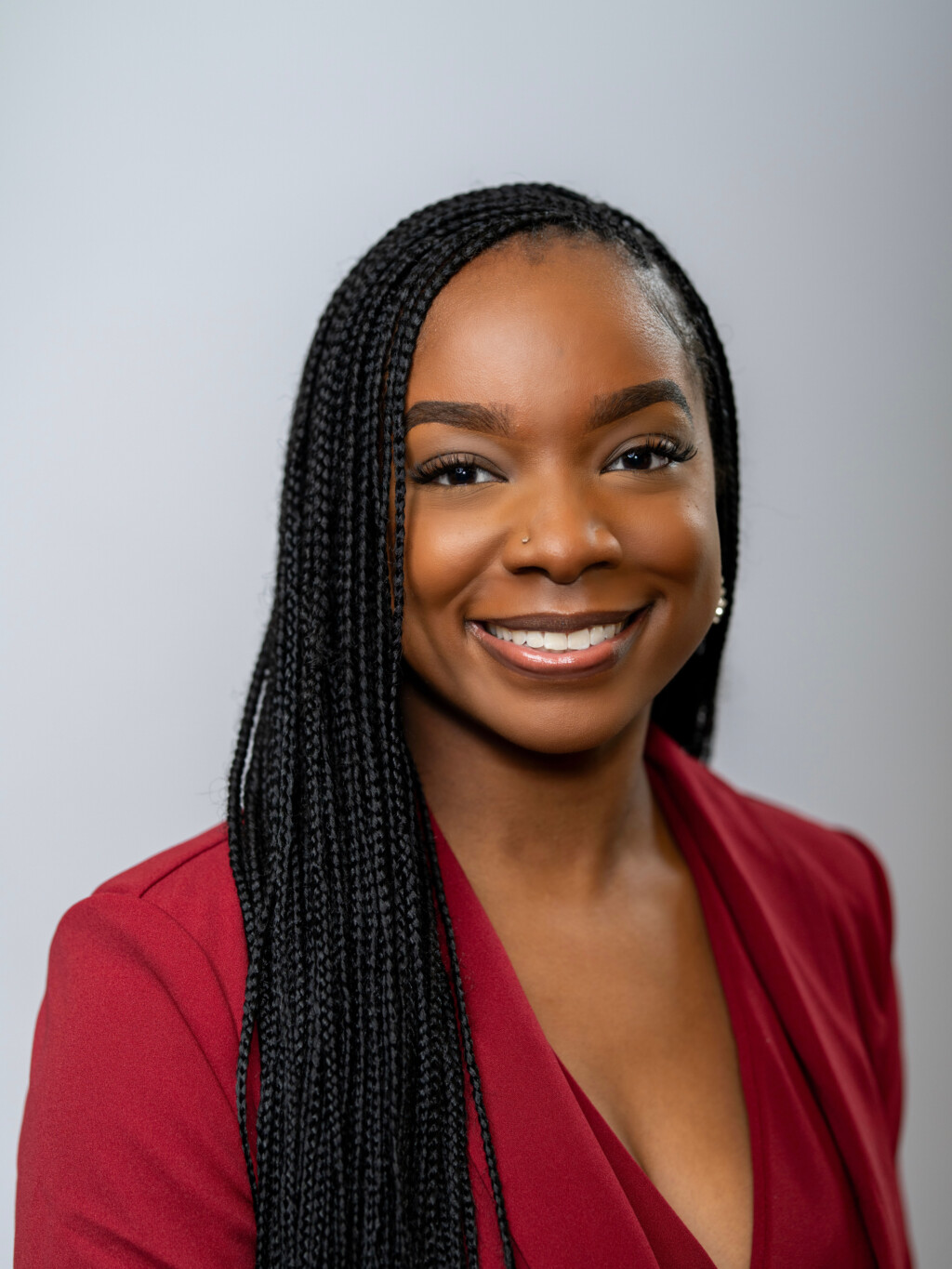
Community Engagement award winner: Banan Abulaila
Organization: Arabic Literature Club
The Arabic Literature Club (ALC) at Carleton University is a student-led initiative centered on creating an inclusive space to engage with the Arabic language through literature, dialogue, and cultural expression. I founded the club to address the absence of spaces on campus where Arabic could be explored meaningfully; not only as a language of study, but as a living form of knowledge that carries history, creativity, and identity. In many academic settings, Arabic is often reduced, misunderstood, or framed through narrow and politicized narratives. The ALC responds to this by creating a space where the language can be experienced on its own terms.
Through activities such as collaborative poetry writing, reading discussions, vocabulary-based games, and pronunciation workshops, the club encourages active engagement with Arabic in ways that are accessible and interactive. This approach challenges simplified or stereotypical understandings by allowing students to encounter the depth, nuance, and expressive power of the language directly.
By centering Arabic as a legitimate and valuable form of knowledge, the ALC contributes to anti-racist and decolonial efforts that challenge the dominance of Eurocentric perspectives in academic spaces. The club is open to students of all backgrounds, fostering cross-cultural learning while reducing barriers to engagement. As a community, it creates opportunities for connection, belonging, and a more informed and respectful understanding of language and culture.
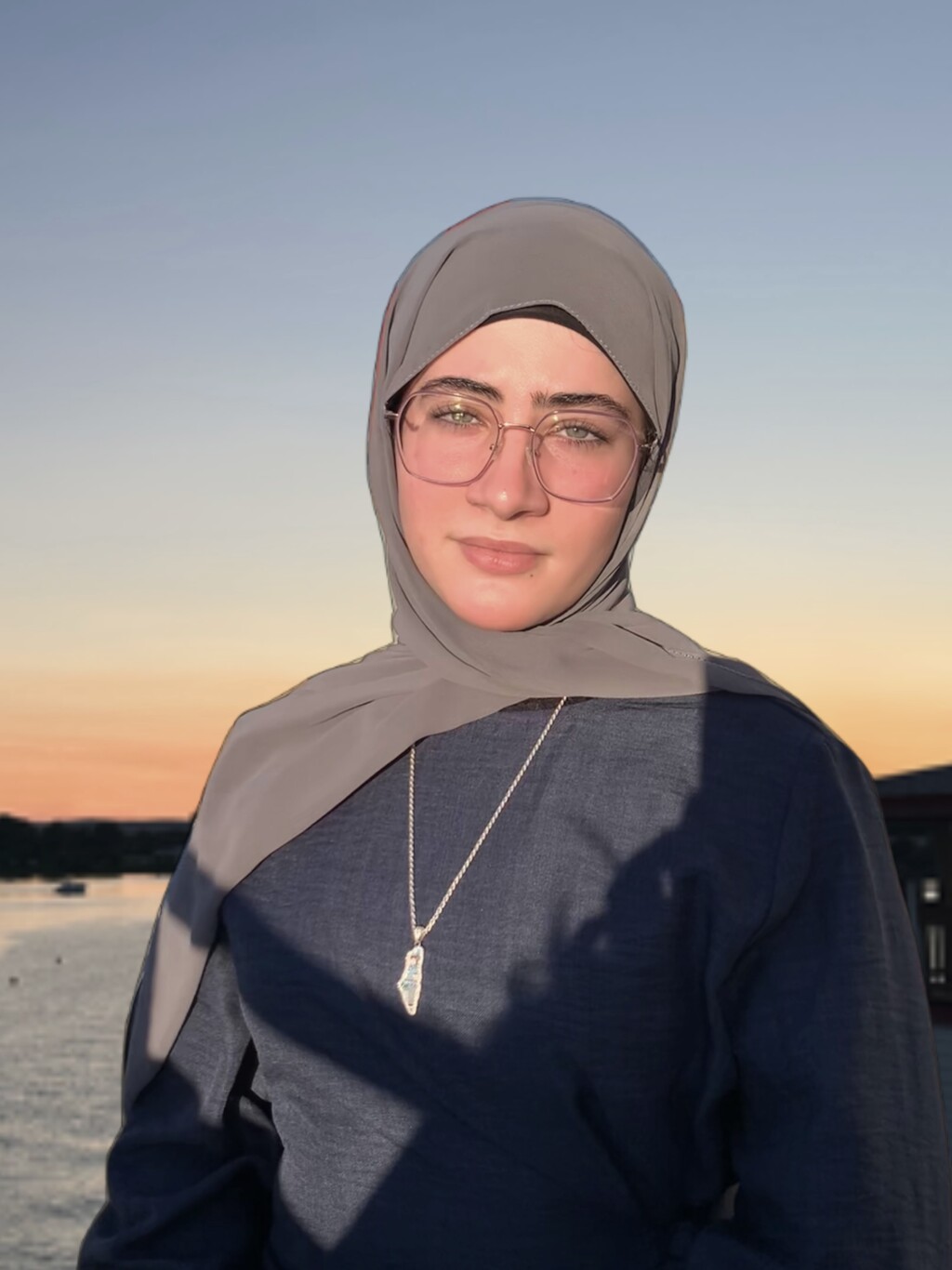
Congratulations to all the winners!