Hazel Palmer
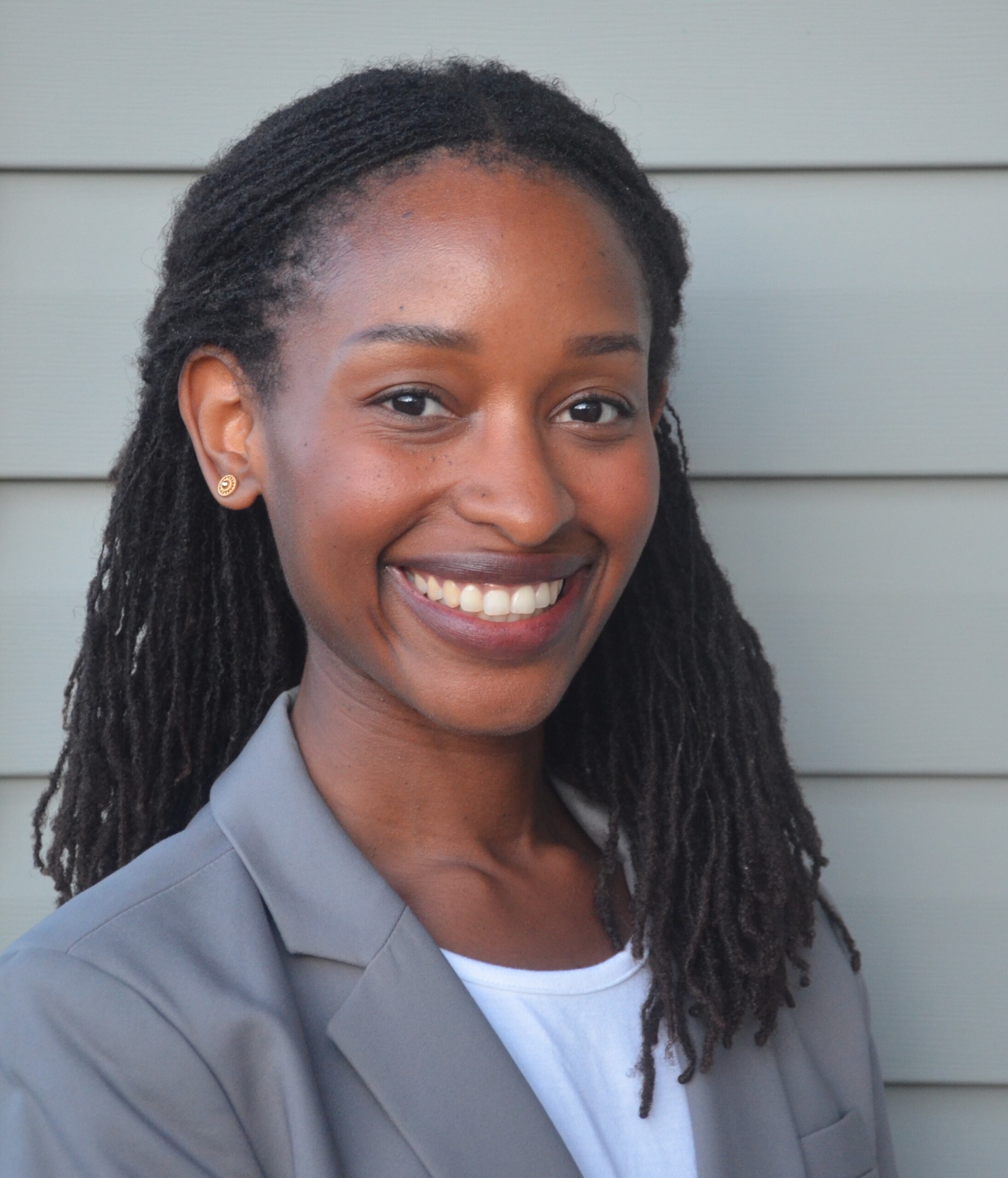
Career Path: School Psychology
- M.Ed. in School and Applied Child Psychology
Biography
I completed my Bachelor’s of Science in Neuroscience and Mental Health with a Minor in Psychology in 2017. While in university I was deeply involved in extra curriculars including: working for the Residence Life program as a Residence Fellow and Community Advisor, volunteering in the Science Student Success Center (SSSC) as a mentor, volunteering as note taker for the Paul Menton Centre for Students with Disabilities, working as a facilitator for the Peer Assisted Study Sessions (PASS) program, and working as a Campus Tour Guide with Undergraduate Admissions. I completed my 4th year thesis project under the supervision of Dr. Hymie Anisman and Dr. Kim Matheson combining my passion for student life, mental health, and neuroscience with a topic on the transition from high school to post-secondary studies, the occurrence of depression, and resilience as a moderator.
All of these experiences contributed to a love of student life that led me to opportunities working across southern Ontario in Ottawa, Waterloo, and Stratford supporting post-secondary students in various capacities. My passion and curiosity for neuroscience, mental health, and psychology remained throughout those years and led me to the Master’s of Education in School and Applied Child Psychology at the University of Calgary. A career in School Psychology includes, but is not limited to, supporting students through psychoeducational assessments (i.e., for Specific Learning Disorders/Learning Disabilities, ADHD, autism, giftedness etc.), consultation with families and school personnel, and the selection and implementation of evidence-based interventions.
Advice for Current Students
Get involved in extra-curriculars that you are passionate about! While 4th year is busy and it can be hard to find time to volunteer or work, the connections you make and the experience you gain is invaluable. You’ll have the opportunity to learn more about what you want to do, as well as what you don’t want to do, which is just as important! Don’t be afraid to follow a non-traditional path towards your goals and remember that success is not linear; it is often an iterative process that changes as you grow in an understanding of your strengths and goals. If everything doesn’t work out exactly the way you planned it, that’s okay! You can re-evaluate, develop a new strategy, and try again!