Apple iPhone (Original)
[Vin168]
The original Apple iPhone, introduced in 2007, is a landmark in computing history for its revolutionary integration of a multi-touch screen, mobile web browsing, and a robust app ecosystem all within a compact handheld device. Its claim to fame lies in popularising the modern smartphone, replacing physical keyboards with touchscreen interfaces and transforming how people interact with technology. Widely celebrated in vintage computing circles, it marks a pivotal moment in the convergence of telecommunications and personal computing, having sold millions and set new standards for device design and usability that continue to influence technology today.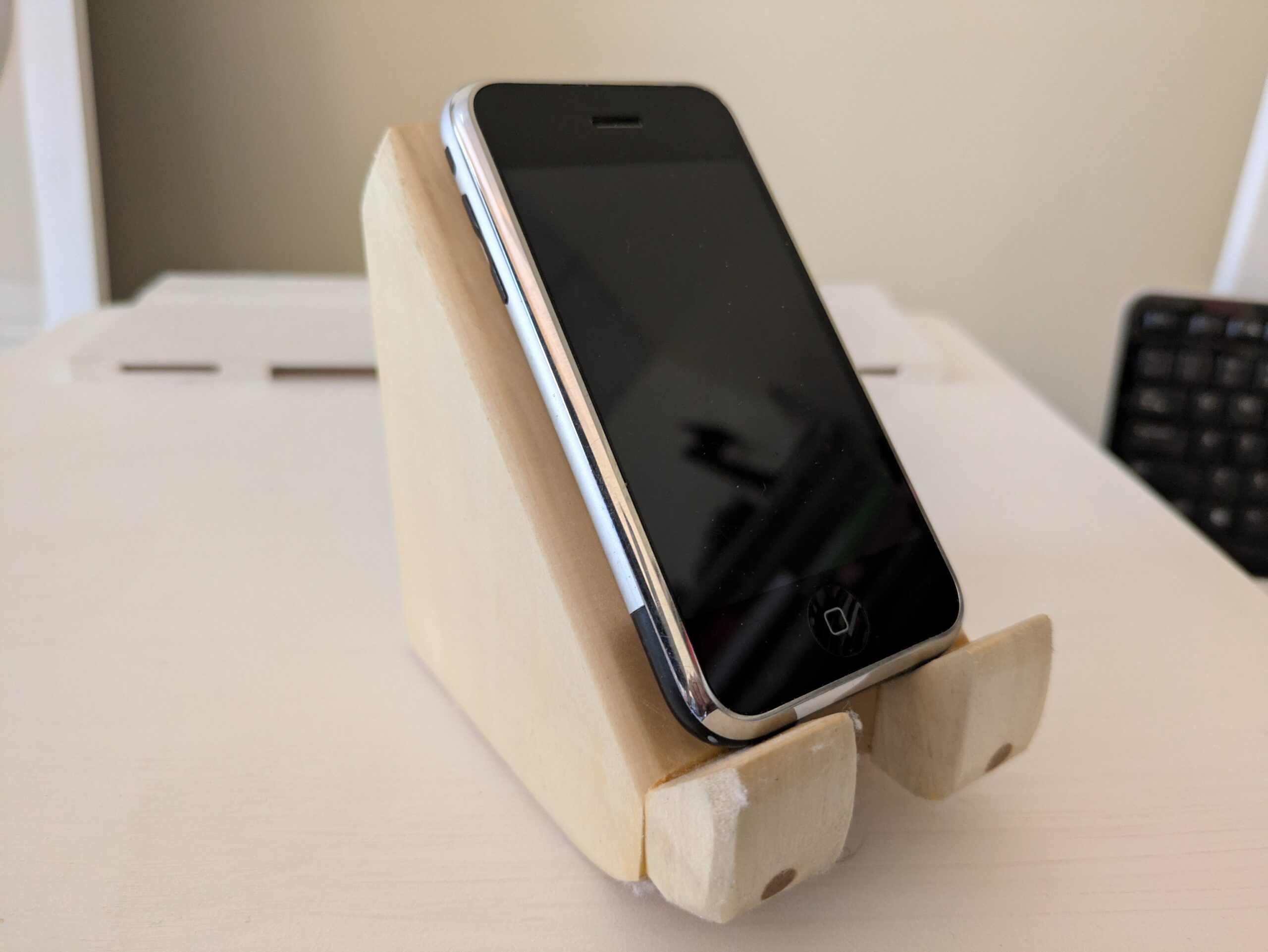
- Manufacturer: Apple Inc.
- Type: Smartphone
- Release Date: 2007
- Cost at release: USD $599 (CAD ~$1,000 adjusted for inflation)
- MIPS: ~247 MIPS
Hardware Specifications
- Display: 3.5-inch TFT LCD, 320 x 480 pixels resolution, 163–165 ppi, multi-touch capacitive touchscreen
- CPU: Single-core Samsung ARM11 CPU, underclocked to 412 MHz
- GPU: PowerVR MBX Lite 3D graphics processor
- Memory: 128 MB RAM
- Storage: Flash memory options of 4 GB, 8 GB, and later 16 GB (non-expandable)
- Camera: 2.0 megapixel rear camera, no front camera
- Connectivity: Quad-band GSM (850/900/1800/1900 MHz), GPRS, EDGE, Wi-Fi 802.11b/g, Bluetooth 2.0
- Battery: Built-in 1400 mAh Lithium-ion battery
- Sensors: Accelerometer, proximity sensor, ambient light sensor
- Physical dimensions: 115 x 61 x 11.6 mm (4.53 x 2.40 x 0.46 inches)
- Weight: Approximately 135 grams (4.76 ounces)
Operating System & Programming Languages
- Operating System: iPhone OS 1.0 – based on Apple’s Mac OS X (now called macOS)
- Supported Languages:
- iPhone initially did not allow third-party native apps at launch; developers created web apps using standard web technologies such as HTML, CSS, and JavaScript which ran inside the Safari mobile browser. However, starting with the iPhone OS 2.0 release in 2008 and the introduction of the App Store, native apps could be developed primarily using Objective-C and later Swift, compiled with Apple’s Xcode IDE and SDKs.
- Objective-C became the main language for native iPhone app development, with Swift introduced later in 2014.
Notables
- The original Apple iPhone was the first smartphone to popularise a capacitive multi-touch touchscreen interface with finger-based gestures, replacing physical keyboards and styluses common at the time.
- It introduced the concept of a fully integrated mobile web experience with a desktop-class Safari browser in a pocket device, revolutionising mobile internet access.
- The iPhone launched the App Store ecosystem (from iPhone OS 2.0 in 2008), creating a new software distribution model that disrupted traditional software sales and development.
- Nicknamed simply “the iPhone,” it became synonymous with the modern smartphone era and set the design and user experience standard still followed worldwide.
- It was a cultural phenomenon, famously launched by Steve Jobs with the phrase “This is a day I’ve been looking forward to for two and a half years.”
- The iPhone was unusual for its time due to its minimalist hardware, just a single button on the front and the absence of a physical keyboard on a smartphone.
- It helped kill off PDA and traditional smartphone categories, combining multiple functions (phone, internet device, music player) into a single elegant unit.
- Early advertisements focused on “reinventing the phone” with elegant demonstration of multi-touch gestures and the seamless integration of phone, iPod, and internet functions.
- In computing history, the iPhone marked the definitive shift from feature phones and PDAs to the ubiquitous smartphone era that dominates personal computing today.
Media
Donated by: Robert Biddle