Vintage Computing
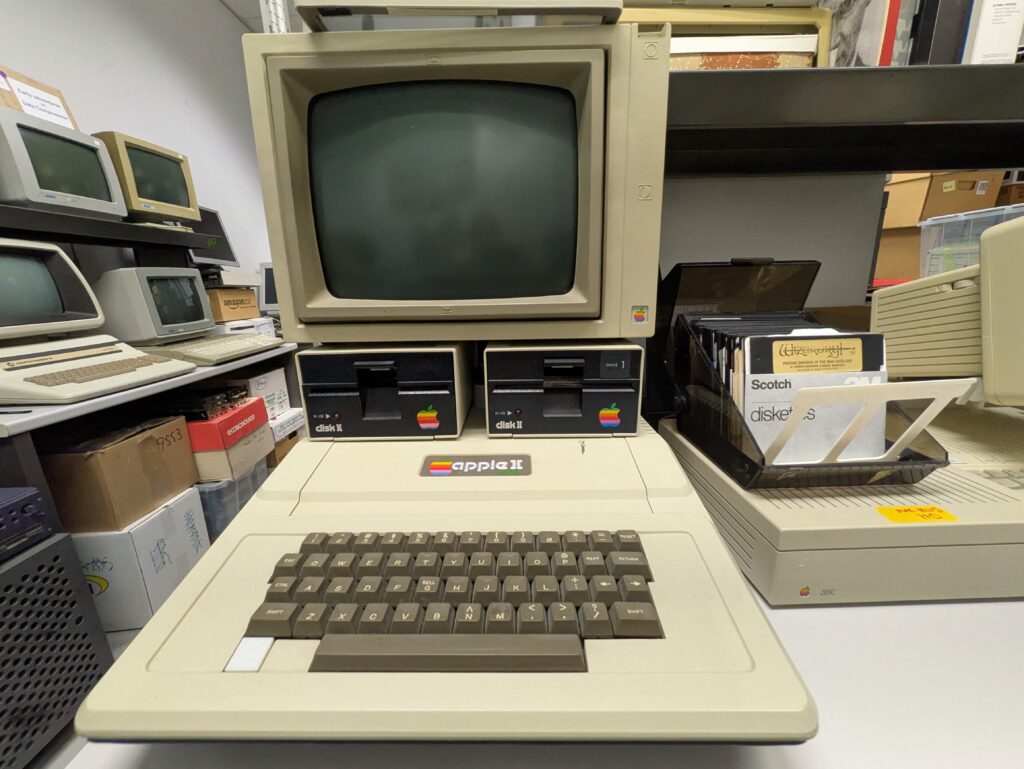
Welcome to Carleton University’s Vintage Computing Collection, where we showcase the history and evolution of computing through microcomputers and historic artifacts. Discover the remarkable legacy of technology that has shaped our world.
Vintage Computing Posts
-
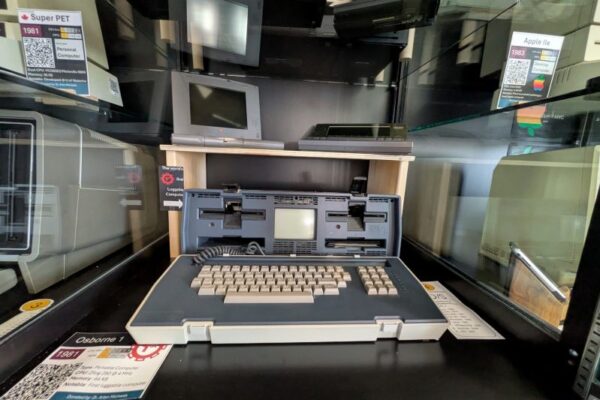
Founded in 1942, Carleton University has grown alongside the evolution of modern computing, with it Carleton University’s School of Computer Science established in 1980 at the start of the microcomputing revolution. The university’s collection showcases influential microcomputers from the late 1960’s onward, a time when computing was expensive and inaccessible to most individuals. Spanning every major era of microcomputing, the collection highlights both breakthroughs and setbacks that shaped today’s technology, with the goal of deepening understanding of computing’s origins, operation, and future possibilities while inspiring the next generation of innovators.
The School holds more than 200 vintage computers, though only about one-third of the collection can currently be displayed. We are actively seeking partners and supporters who can help us preserve, maintain, and showcase the full collection, ensuring these important milestones in computing history remain accessible for education, research, and public engagement.
-
The Carleton University Vintage Computing Collection is a hands-on preservation, education, and community space dedicated primarily to preserving microcomputing history and an important part of technological and cultural history that is often underrepresented or missing from existing collections. We are neither a conventional museum nor simply a hobbyist club: we combine responsible stewardship with practical access, technical knowledge, and active participation. We preserve and document computers, software, peripherals, and the stories around them, while giving students, volunteers, researchers, and visitors the opportunity to encounter computing history directly and learn through meaningful hands-on work.
Our collection has a strong local and Canadian focus, including computers designed, built, used, or significant in Ottawa and across Canada. Microcomputing was an international movement that captured the imagination of hobbyists, students, businesses, and families around the world. Canada played an important part in that journey as a place where computers were designed, built, sold, used, taught, and adapted while Canadian users and companies participated in the wider technological and cultural transformation that shaped personal computing globally. For that reason, we preserve both Canadian systems and a broad range of international microcomputers, including major commercial platforms, educational and home computers, influential hobbyist machines, and lesser-known or regional systems that might otherwise disappear. This wider scope places local history within the larger story of how microcomputing changed everyday life.We are a living collection and a place for interdisciplinary learning. Traditional museums often must limit handling and operation in order to meet strict long term conservation requirements, while informal clubs may lack dedicated space, continuity, or resources for substantial collections and public programming. We fill the space between these models by caring for artifacts responsibly while, where appropriate, maintaining them as working systems for demonstrations, workshops, repair and restoration, research, and regular events. In learning computer history and helping curate the Collection, participants develop an unusually broad range of practical skills: computer science, computer gaming and software history, networking, cybersecurity, electrical engineering, electronics repair, industrial design, business, art, history, museum and archival technologies, technical documentation, and event organization. We believe microcomputers are preserved not only when they are stored safely, but when their operation, software, design, and human experience can still be studied, demonstrated, repaired, and shared.
You can explore our evolving collection here:
-
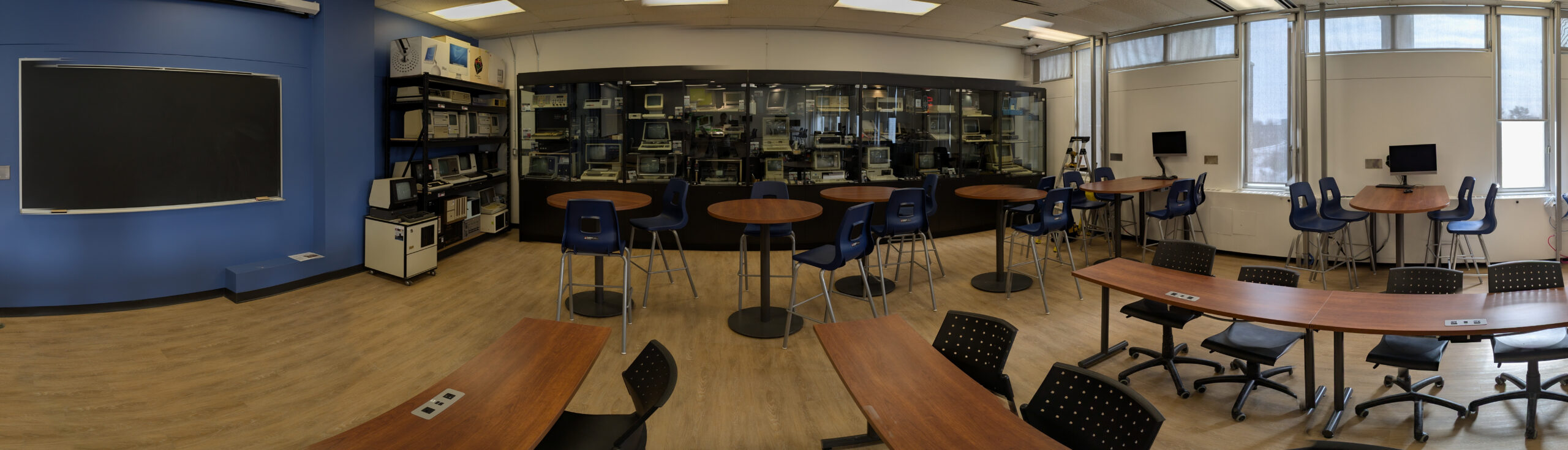
The School of Computer Science was founded in 1980 and has retained some of its and the universities computing artifacts. Currently the school maintains the following vintage computing displays and artifacts:
-
Group visits are possible by appointment and during special events. Please contact the SCS Technical Staff for tours and availability.
-
The Carleton Vintage Computing (CVC) Group is a student, faculty, and staff led community that helps keep Carleton’s Vintage Computing Collection alive. We are somewhere between a club and a museum: we care for historic computers, but we also power them on, learn how they work, repair them, and share them with others.
You can get hands-on experience with important Ottawa area, Canadian, and international microcomputers many of which are difficult to find or use anywhere else. Whether you are into old games, hardware repair, programming, design, history, VR, or simply curious about early technology, there is something meaningful to work on.
What You Can Do
Choose projects that match your interests and skills:- Test computers, peripherals, drives, and software; try to boot systems and record what you find.
- Help diagnose and repair vintage hardware, including electronics, keyboards, disk drives, monitors, and power supplies.
- Learn early programming languages and operating systems; write a small program or demo for an older machine.
- Explore and document classic computer games and the systems that ran them.
- Research the stories behind computers, software, companies, and their connections to Ottawa and Canada.
- Create displays, labels, graphics, videos, web content, or interactive exhibits.
- Help build a vintage computing VR experience.
- Help run demonstrations, workshops, tours, and public events.
- Lots more!
CVC is a way to build practical experience in computer science, networking, cybersecurity, electronics, electrical engineering, repair, industrial and graphic design, gaming, history, museum technology, research, documentation, and event planning. You do not need to be an expert, just bring curiosity and a willingness to learn.Ready to get involved? Fill out our Vintage Computing Volunteer and Project Interest Form today and we will add you to our Teams group:
-
Do you have vintage computing equipment you would like to donate to the Carleton University School of Computer Science?