Zenith H89 (AMI Phoenix 1)

The Zenith H89 (also known as the Heathkit H89 or AMI Phoenix 1) was a notable late-1970s all-in-one personal computer that combined the functions of a microcomputer and terminal in a single, integrated enclosure, featuring a built-in 12-inch monochrome CRT, a high-quality keyboard, and a 5.25″ floppy disk drive, all powered by a Zilog Z80 processor. Its claim to fame was its versatility: it could run both the CP/M and HDOS operating systems, supported significant expansion options, and was available as both a kit (Heathkit H89) and a fully assembled unit (Zenith Z-89), making it accessible to hobbyists and small businesses alike at a time when most computers required separate terminals and external storage. While it was not as popular as contemporaries like the Commodore 64 or Apple II due to its higher price and niche appeal, it had a strong following among enthusiasts and professionals, and was supported in Canada with service centers in major cities including Ottawa, Toronto, and Montreal, reflecting its presence in the Canadian market. Carleton Universities faculty of Engineering used this unit.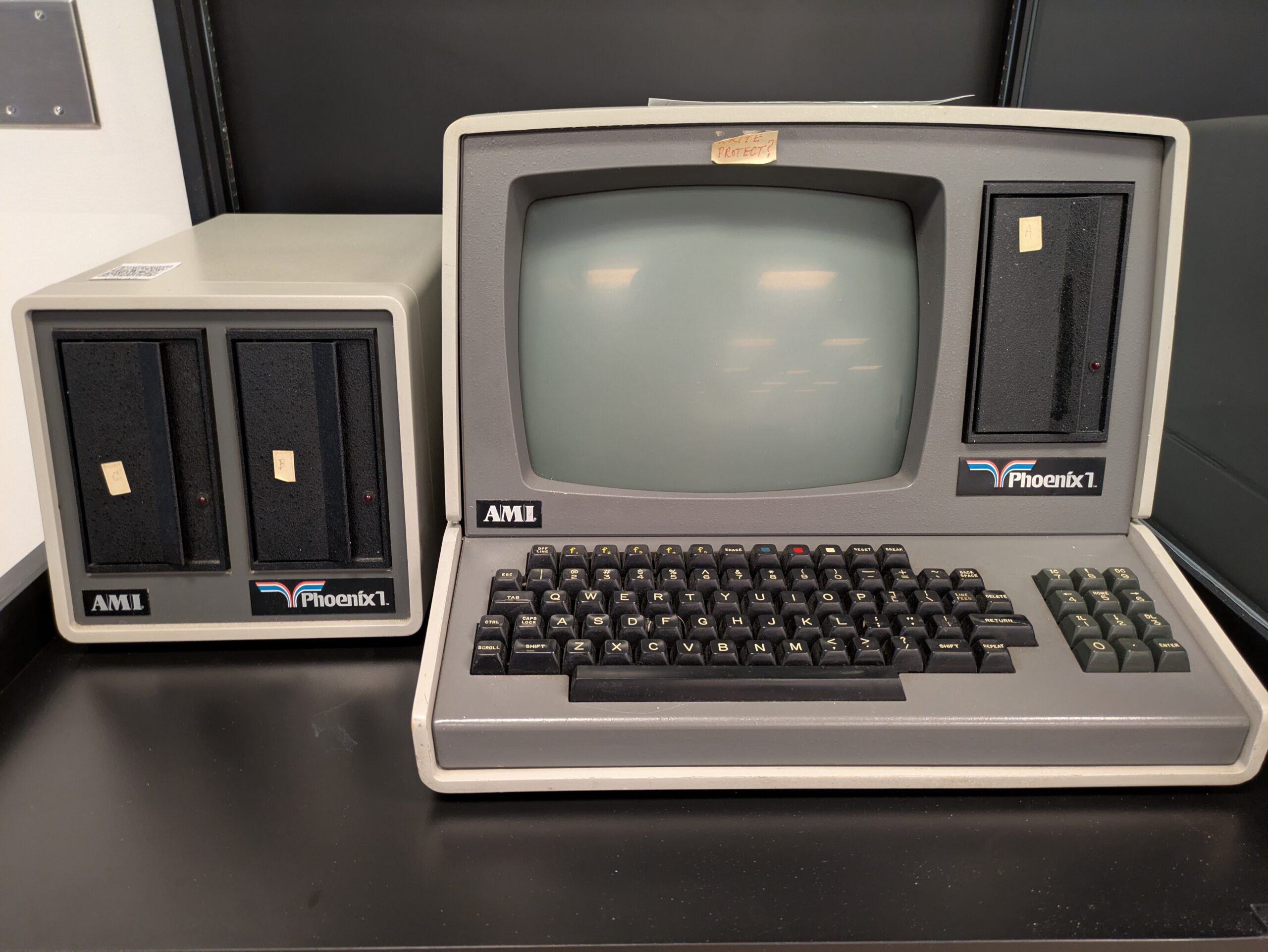
- Manufacturer: Heath Company and later produced and marketed by Zenith Data Systems (ZDS) after Zenith acquired Heath in 1979
- Type: All-in-one personal computer
- Release Date: 1979
- Cost at release: A typical assembled system with peripherals (including floppy drive, serial I/O, and software) was around $2,295 USD (CAD $10,000 adjusted for inflation)
- MIPS: 0.58 (580 KIPS)
Hardware Specifications
- CPU: Zilog Z80A CPU running at 2.048 MHz
- Memory: 16 KB (expandable to 48 KB or 64 KB)
- Display: Built-in 12-inch monochrome CRT display (80 columns x 25 lines text)
- Storage: 5.25-inch floppy disk drive (single-sided, 100 KB capacity; dual drive optional). Optional hard disk support (with expansion).
- Ports: Serial and parallel ports for external peripherals
- Case: All-in-one enclosure (computer, monitor, and keyboard in a single unit)
Operating System & Programming Languages
- Operating System:
- HDOS (Heathkit Disk Operating System)
- CP/M (Control Program for Microcomputers)
- UCSD p-System (less common, but available)
- Supported Languages:
- BASIC (including Microsoft BASIC)
- FORTRAN (Microsoft FORTRAN)
- Assembly language (Z80/8080 assembler)
- C (via CP/M compilers)
- Pascal (via UCSD p-System and CP/M Pascal compilers)
- Other CP/M-compatible languages (such as COBOL, PL/I, and more, depending on available software)
Notables
- The H89 was one of the first all-in-one personal computers, integrating the monitor, keyboard, and floppy drive in a single enclosure, which was unusual at the time.
- It was originally sold in kit form by Heathkit (as the H89) and later as a fully assembled system by Zenith Data Systems (as the Z-89) after Zenith acquired Heathkit.
- the “AMI” reference denotes American Megatrends Incorporated, whose BIOS Phoenix 1 firmware provided reliable system initialization and hardware compatibility, a notable early example of BIOS standardization.
- The system could function both as a standalone computer and as a terminal, and featured a secondary Z80 processor dedicated to terminal operations.
- It had a highly expandable architecture, with internal card cages for additional RAM, disk controllers, and serial ports, and could be upgraded with faster CPUs and larger storage options.
- The keyboard was notable for its high build quality and an unusually large number of special-purpose keys, including color-coded function keys and a numeric keypad.
- The H89/Z-89 was sometimes affectionately referred to by enthusiasts as the “Heathkit all-in-one” or simply “the H89”.
- Its professional appearance and expandability made it popular among hobbyists, educators, and small businesses, but its high price kept it niche compared to mass-market home computers like the Apple II or Commodore 64.
- The Z-89’s cabinet design became iconic and is still recognized among vintage computer collectors today
Donated By: Carleton University’s Faculty of Engineering