Research
Showcasing innovative faculty and student energy transition research that bridges technology, society, and policy.
Affiliated Researchers

Ahmed Abdulla
- Associate Professor, Mechanical and Aerospace Engineering – Energy system design for deep decarbonization; disruptive energy technologies; energy storage systems; advanced nuclear power; negative emissions technologies

Elie Azar
- Associate Professor, Canada Research Chair in Sustainable Buildings and Communities (Tier II), Civil and Environmental Engineering – Urban sustainability; agent-based modelling; building performance simulation; occupant comfort and behaviour; data-driven modelling and machine learning

Jean Duquette
- Associate Professor, Mechanical and Aerospace Engineering – Modelling and simulation of low energy buildings, and building-integrated sustainable energy systems; heat pump and refrigeration cycles (vapour compression, sorption, CO2); solar thermal energy; solar water purification; renewable energy integration in remote community energy systems; modelling and simulation of district heating and cooling networks; technical, economic, and policy aspects of emerging energy systems
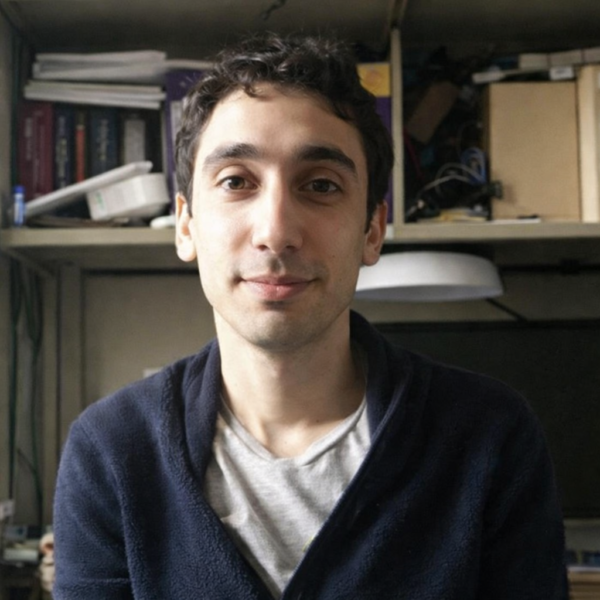
Barak Gunay
- Associate Professor, Civil and Environmental Engineering – Adaptive indoor climate control in buildings; automated fault detection and diagnostics in buildings; data-driven modelling in building science; building performance simulation; bid data for intelligent buildings

Brendan Haley
- Adjunct Research Professor, School of Public Policy and Administration, Policy Director at Efficiency Canada – Traditional natural resource sectors; Canada’s transition to a low carbon economy; Canadian political economy; technological innovation systems; sustainability transitions

Tarik Kaya
- Associate Professor, Mechanical and Aerospace Engineering – Mathematical modelling of two-phase flow and heat transfer; evaporating meniscus instability; heat pipes and loop heat pipes; spacecraft thermal control

Reza Kholghy
- Associate Professor, Canada Research Chair in Particle Technology and Combustion Engineering, Mechanical and Aerospace Engineering – Energy storage technologies; nanoparticle formation; soot formation; kinetic modelling
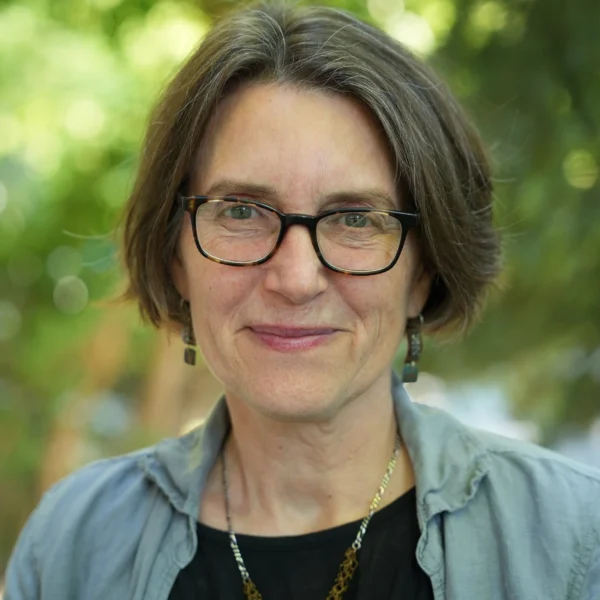
Barbara Leckie
- Professor, Department of English and the Institute for the Comparative Study of Literature, Art, and Culture, Academic Director at Re.Climate – Climate change and the humanities; critical and cultural theory; rhetoric, representation, and social reform in relation to climate action

Shichao Liu
- Associate Professor, Department of Electronics – AI-Driven Solutions for Energy Management and Operation for Sustainable Energy Systems; Resilient Net-zero Energy Communities; and Cyber-Physical Resilience of Energy Infrastructures.

Alexandra Mallett
- Associate Professor, School of Public Policy and Administration – Sustainable energy and climate policy; emerging economies / developing countries; low carbon technology cooperation; innovation, science and technology policies

James Meadowcroft
- Chancellor’s Professor, School of Public Policy and Administration – Low-carbon transition; environmental policy; sustainable development; energy policy; climate change; comparative environmental politics and policy

Liam O’Brien
- Associate Professor, Civil and Environmental Engineering – High performance solar buildings; smart buildings and big data; building automation systems; daylight and solar control; urban form and solar energy access; facilities management; building performance for energy and comfort

Maya Papineau
- Associate Professor, Economics – Economics of climate change; energy efficiency policy; renewable energy; sustainable development

Cameron Roberts
- Adjunct Research Professor, School of Public Policy and Administration – Sustainable mobility, the politics of low-carbon transitions, the application of historical case studies to contemporary sustainability problems

Daniel Rosenbloom
- Assistant Professor and Rosamond Ivey Research Chair in Sustainability Transitions, Graduate Supervisor (Sustainable Energy), School of Public Policy and Administration – Governance of socio-technical transitions and net-zero pathways; climate policy and politics; Canadian energy political economy; science, technology, and innovation
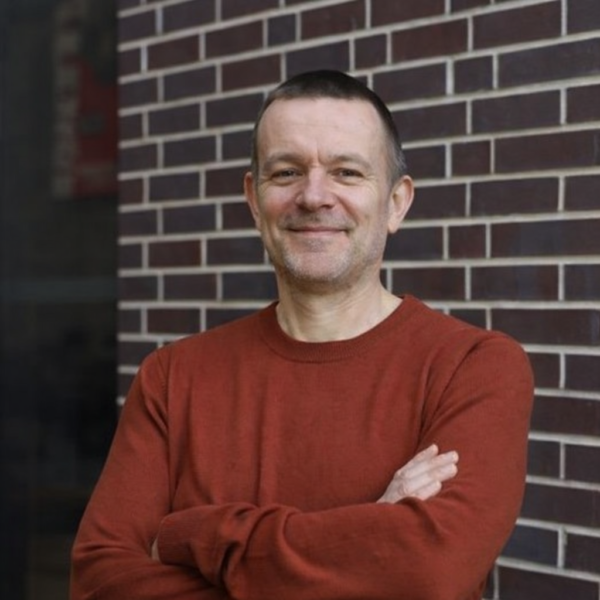
Chris Russill
- Associate Professor, School of Journalism and Communication, Academic Director at Re.Climate – Climate communication; information environments; disinformation; crisis management; public engagement; carbon pricing in Canada

Kristen Schell
- Associate Professor, Canada Research Chair (Tier II) in Uncertainty Informed Net-Zero Energy System Modelling, Mechanical and Aerospace Engineering – Wind power modelling and forecasting; power systems planning for negative emissions; strategic behaviour in electricity markets; renewable energy policy design; design for adoption of adaptable, modular microgrids

Stephan Schott
- Professor, School of Public Policy and Administration – Natural resource management; air quality control policy; northern development; common pool resources; experimental economics; energy policy and strategies
Research Initiatives
CSERC features major research initiatives that generate actionable insights for accelerating energy transitions.

Alternative Pathways for the Energy Transition (APEX)
Alternative Pathways for the Energy Transition (APEX) is an interdisciplinary engineering group dedicated to advancing deep decarbonization in Canada and globally.

Bending the Curve with NETS
Bending the Curve with NETs addresses unrealistic NETs scaling and works to better integrate CO₂-removal technologies to meet climate goals.

Solar-Driven Adsorption Energy Storage for Northern Communities (SATES)
SATES develops solar-driven adsorption thermal storage as a clean, reliable, low-cost heating option for Northern communities.

Sustainability Transitions Research Network (STRN)
In December 2025, Carleton University became the first North American institutional member of the Sustainability Transitions Research Network, enhancing its global role in sustainability and transition research.
Electrification Contestation
Energy and transition scholars analyze how actors have responded to climate and energy policy consultations since Canada adopted its Net-Zero Emissions Accountability Act in 2021.
Assessing Systemic Outcomes of Smart Grid Demonstrations
This project responds to the urgent need to accelerate sustainable energy transitions, recognizing these shifts require
not only technological innovation but also long-term changes
Dead-End Pathways
A practical tool for identifying decarbonization options that cannot plausibly deliver net zero