Civil Engineering
Master of Applied Science (MASc)
-
 Degree: Master of Applied Science (MASc) in Civil Engineering
-
 Format: Full-time/Part-time, Thesis-based Master’s Degree
-
 Length: 2 years
-
 Areas of Study: Environmental Engineering | Fire Safety Engineering | Geotechnical Engineering | Structural Engineering | Transportation Engineering | Water Resources Engineering
-
 Entry Terms: Fall, Winter
What is Civil Engineering?
Civil engineering shapes the infrastructure that supports everyday life, from the roads and bridges we travel on to the buildings, transportation networks and water systems our communities depend on.
Civil engineers design, build and maintain these essential systems, applying scientific and engineering principles to solve complex challenges. Their work spans everything from developing sustainable transportation solutions and protecting communities from natural hazards to improving aging infrastructure and managing vital water resources.
As cities grow and environmental challenges evolve, civil engineers play a critical role in creating safer, more sustainable and resilient communities.
Looking for a Course-based Master’s?
The Master of Engineering (MEng) in Civil Engineering is a course-based degree for students interested in developing advanced technical knowledge through coursework, with the option to complete an applied research project.
What You Will Learn
Through advanced coursework and original thesis research, you will develop the analytical, technical and investigative skills needed to address complex engineering challenges and contribute new knowledge to the field. Depending on your research focus, you can:
- Design and conduct original research using advanced analytical, computational and experimental methods
- Develop and validate numerical models, simulations and engineering solutions through laboratory investigations, fieldwork and data analysis
- Investigate the performance and resilience of structures, foundations and critical infrastructure under natural hazards and changing environmental conditions
- Explore innovative approaches to environmental protection, water resources management, transportation systems and infrastructure rehabilitation
- Apply emerging technologies such as artificial intelligence, advanced sensors and data analytics to investigate engineering challenges and improve infrastructure performance
- Evaluate research findings, develop evidence-based solutions and communicate original contributions to civil engineering through a master’s thesis

Get started in Carleton360 to receive tailored information about Carleton programs, student services and our community.
Areas of Study
Environmental Engineering
Investigate engineering solutions to complex environmental challenges, from improving air and water quality to protecting natural resources. Research may explore advanced water and wastewater treatment, contaminant transport, hydrogeology, resource recovery, air pollution, environmental sustainability and engineering responses to climate change.
Fire Safety Engineering
Advance your understanding of fire behaviour and develop innovative approaches to protecting people, buildings and infrastructure. Research areas include fire dynamics and modelling, structural response to fire, smoke movement and control, fire detection and suppression, human behaviour and evacuation, and performance-based fire safety design.
Geotechnical Engineering
Investigate the behaviour of soil, rock and other earth materials to improve the safety and resilience of infrastructure. Research may examine foundation performance, earthquake-induced liquefaction, slope stability, mine waste and tailings management, numerical and physical modelling, and geotechnical hazards associated with climate change and permafrost degradation.
Structural Engineering
Conduct advanced research into the performance, safety and resilience of buildings, bridges and other structures. Research areas include structural dynamics, earthquake engineering, concrete and steel structures, advanced materials, structural health monitoring, computational modelling and innovative approaches to infrastructure rehabilitation.
Transportation Engineering
Investigate emerging approaches to planning, designing and improving transportation systems. Research may explore traffic modelling and management, road safety, travel behaviour, intelligent transportation systems, connected and automated vehicles, sustainable mobility, transportation infrastructure and network resilience.
Water Resources Engineering
Conduct research into the management and protection of water resources and the infrastructure that supports them. Topics may include hydrology and watershed modelling, stormwater management, flood risk assessment and mitigation, groundwater systems, sediment transport, sustainable water management, low-impact development and green infrastructure.
Interested in Climate Change?
Expand your Civil Engineering degree through Carleton’s Collaborative Specialization in Climate Change, available to both MASc and MEng students. This interdisciplinary option brings together expertise from engineering, science, public policy and other fields to explore climate-related challenges and develop collaborative solutions.
Career Outcomes
Carleton’s MASc in Civil Engineering develops advanced research, analytical and technical skills for careers across engineering, infrastructure and applied research. Graduates are prepared for research and development and specialized technical roles in areas such as structural and geotechnical engineering, transportation systems, environmental protection, fire safety and water resources management.
Jobs and Career Paths
- Research & Development Engineer
- Research Scientist
- Structural Engineer
- Geotechnical Engineer
- Transportation Engineer
- Environmental Engineer
- Water Resources Engineer
- Fire Safety Engineer
Industries and Sectors
- Engineering and consulting firms
- Construction and infrastructure development
- Transportation and mobility infrastructure
- Environmental engineering and water technology
- Mining and natural resources
- Fire protection and life safety
- Government, municipalities and regulatory agencies
- Research institutions and laboratories
- Universities and academic research
Why Civil Engineering at Carleton?
Investigate Real-World Infrastructure Challenges
Develop research on earthquake resilience, climate-related infrastructure challenges and transportation systems through advanced modelling, laboratory investigations and fieldwork.
Study in Canada’s Capital
Benefit from proximity to federal research laboratories, government departments and engineering consulting firms, with opportunities to collaborate on practical engineering challenges.
Join a Diverse Research Community
Collaborate with faculty and fellow researchers across six areas of civil engineering, with opportunities to present your work at conferences and build connections with the broader engineering community.
Facilities and Research Environment
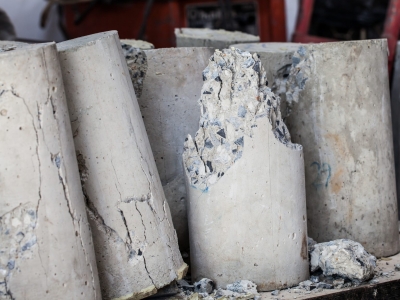
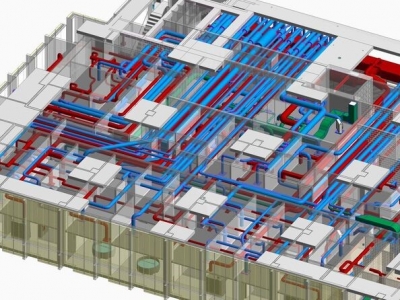
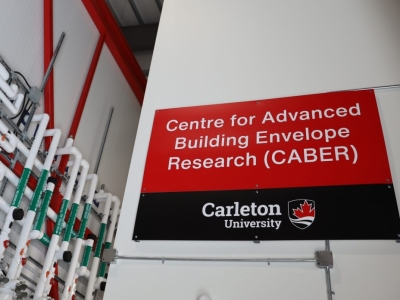
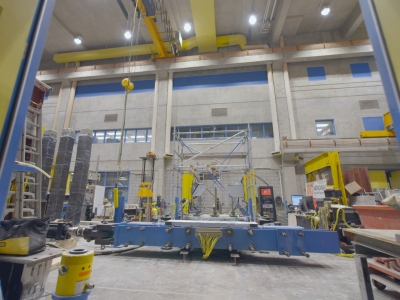
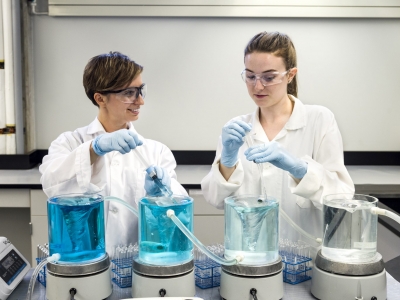
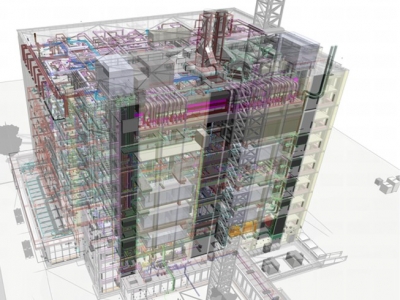
Conduct research using Carleton’s specialized laboratories and research facilities, supporting investigations in structural and geotechnical engineering, environmental protection, water systems, building performance and more.

How to Apply
Apply to the Master of Applied Science (MASc) in Civil Engineering through Carleton360. As a thesis-based program, applicants must secure the support of a faculty supervisor before applying. Applicants should also be prepared to outline their research interests and provide any additional documentation requested during the application process.
Find a Potential Supervisor
Looking for a supervisor for this research-based master’s program? Search our list of expert professors by specialty to find a match and connect with them by email.
Admission Requirements
The normal requirement for admission to the Master of Applied Science (MASc) in Civil Engineering is a bachelor’s degree in Civil Engineering with at least high honours standing.
Applicants from other engineering disciplines or science programs may also be considered. Depending on their academic background, applicants may be required to complete additional undergraduate courses in Civil Engineering and engineering mathematics.
Any additional course requirements will be specified at the time of admission and must be completed as part of the conditions of admission.
Applicants must have the support of a faculty member who will supervise their research. It is the applicant’s responsibility to identify and make arrangements with a potential supervisor whose expertise aligns with their research interests.
Applicants should also be prepared to outline their proposed research interests and submit any additional documentation required through the application process.
Domestic Applicants
- Find the full list of documents you’ll need on the Instructions page when you begin your application, and learn how to submit your required documents
- Apply online and submit all required supporting documents
International Applicants
If you completed your degree outside Canada, review the minimum admission requirement equivalencies for your country along with the program-specific requirements above. You must also meet Carleton’s English-language requirements unless you qualify for an exemption.
- Check current application deadlines early and allow time for immigration and study permit requirements
- Find the full list of documents you’ll need on the Instructions page when you begin your application, and learn how to submit your required documents
- Apply online and submit all required supporting documents
Program and Course Structure
The MASc in Civil Engineering requires 5.0 credits, combining advanced graduate coursework with original thesis research. Students select courses relevant to their area of study and complete a thesis under faculty supervision. The program also includes participation in a graduate seminar series.
| Component | Requirements |
|---|---|
| Coursework | 2.5 credits selected from approved graduate courses relevant to the student’s research area |
| Research Thesis | 2.5 credits – MASc Thesis (CIVE 5909) |
| Master’s Seminar | 0.0 credits – Participation in CIVE 5901 |
Sample Courses
- Contaminant Hydrogeology
- Stormwater Management and Low Impact Development
- Fire Dynamics I
- Fire Behaviour of Materials
- Numerical Methods in Geomechanics
- Advanced Foundation Engineering
- Dynamics of Structures
- Performance-Based Earthquake Engineering
- Road Safety Analysis
- Advanced Pavement Engineering and Management
- Numerical Modelling in Water Resources
- Climate Change Impacts on Water Resources
Tuition and Funding
Graduate tuition and fees vary based on factors such as your fee status and registration. Please review Carleton’s current graduate tuition and fee information to estimate the cost of your studies.
MASc students may be eligible for competitive funding through scholarships, awards, teaching assistantships (TA) and research assistantships (RA). Eligibility and availability vary.
Domestic Students
International Students
FAQs
Do I need a supervisor before I apply?
What areas of study are available?
What does the MASc program involve?
Can international students apply?
What academic background do I need?
What is the difference between the MASc and MEng?
Where can I find the official course requirements?
Looking for More Information?
Our team can help with questions about the Master of Applied Science in Civil Engineering, admission requirements, application details and more.