Equity, Diversity, Inclusion and Reconciliation
Reflecting the complexities of politics within Canada, and around the globe, the Department of Political Science at Carleton University is dedicated to upholding the principles of Equity, Diversity, Inclusion and Reconciliation (EDIR). The tenets of EDIR align with the academic rigours of the Department of Political Science. As scholars, researchers, teachers, students, and citizens, our community interacts with numerous peoples and issues that present unique circumstances and challenges. EDIR, and the work and research embedded within it, enable our work to reflect politics and political issues more effectively. The issues, politics, and voices within the spheres of politics are numerous, and the Department of Political Science is utilizing the tools of EDIR to meet these new and exciting challenges head-on and to sharpen the skills of our students wherever they may find themselves.
Graduate Student EDI Research Methodology Award 2025
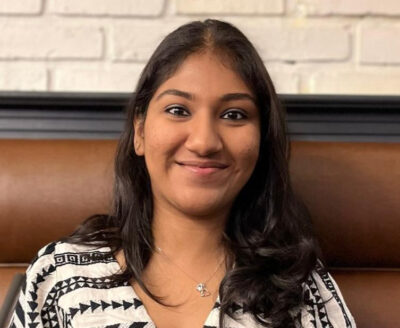
Congratulations of PhD Candidate Sreemoyee Majumder, recipient of the 2025 award! The Graduate Student EDI Research Methodology Award is given in recognition of their outstanding contributions to research methodology and commitment to equity, diversity, and inclusion in academic research.
My doctoral project titled Uncovering Women’s Agency: Navigating India’s Legally Plural System as a Domestic Violence Survivor investigates how various non-state/civil-society actors such as local clubs, non-kin neighbours and art-based interventions such as Dance Movement Therapy provided by NGOs render alternative interventions to GBDV survivors within India’s legal pluralism. Adopting a methodology founded upon feminist reflexivity and a theoretical framework of embodiment and positionality, it explores the role played by these actors in aiding survivors’ healing and helping them realise or restore their sense of agency. Going beyond a limited understanding of cis-gender women in heterosexual relationships as the primary victims of GBDV it consciously engages with both homosexual women and transwomen. Furthermore, some of the survivors I have interacted with are, or have previously been, sex workers. Given India’s socio-cultural and religious diversity, I have also recruited survivor participants across class, caste and religious boundaries. Overall, it seeks to contribute to the growing field of postcolonial feminist scholarship.
Library
Gender and Sexuality
Marginalized Groups: Research Challenges, Dilemmas and Possibilities
Navigating Difficult Conversations in the Classroom
Race in Political Science Classrooms