Descriptions Archive
-
Many butterflies have ears that they probably use to detect the sounds of approaching predators, but very few butterflies actually make sounds. One good example of a sound producing butterfly is the Hamadryas butterfly, sometimes called the ‘cracker’. It has little sound producing organs on its front wings that make cracklings sounds. They make these sounds when approached by a predator, perhaps using it as a warning sound. Sometimes they also use these sound during mating interactions, in which case they would be communicating. – Dr. Jayne Yack
Additionally, caterpillars can make sounds. Check out some of the videos from Dr. Yack’s research lab here which show caterpillars making their sounds.
-
I understand the answer to be two reasons. First, the seemingly ‘random’ flight pattern serves to make butterflies more challenging to catch on the wing by avian predators (and human butterfly enthusiasts). Second, from an aerodynamics perspective, butterflies are insects that don’t possess much mass and their large wings produce lots of lift and make them susceptible to wind gusts and the like. Perhaps the term ‘random’ is misleading because if their flight path was truly random they would not be very effective at arriving at their destination! – Dr. Jeff Dawson
-
A favourite of Hannah, one of our many Butterfly Show volunteers, is the Owl Butterfly. Hannah talks about different Owl Butterflies on our official Instagram page, here. Also, check out the spotlight video featuring Owl Butterflies.
My favourite is the Orange Tip Butterfly. We have an Instagram post about them, here. I don’t have any particular reason why, other than I think they are beautiful and dainty! – Sarah Anne Szabototh
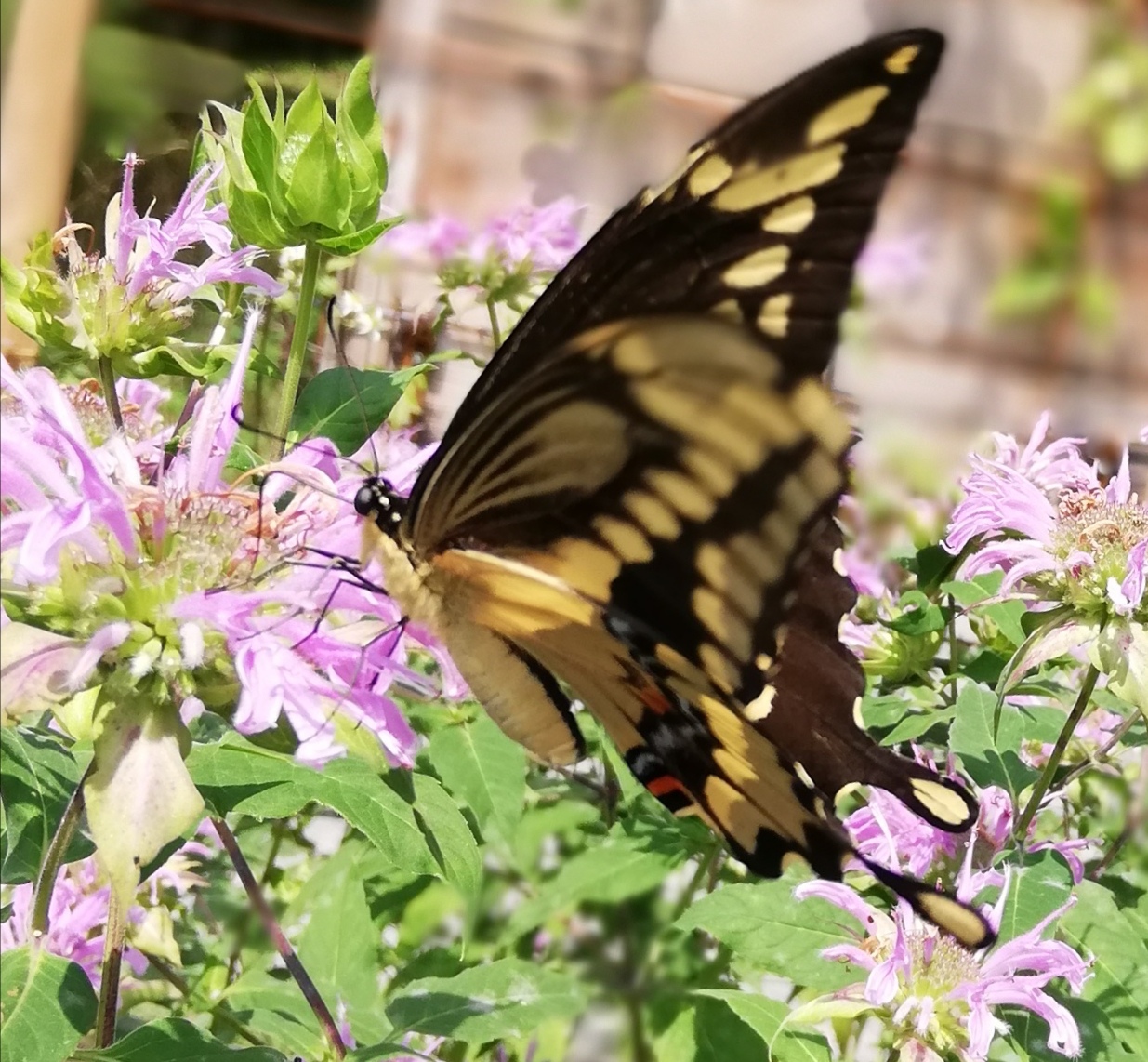
Here’s my favourite: the giant swallowtail, the largest butterfly in North America. – Dr. Naomi Cappuccino
-
All insects that have complete metamorphosis—butterflies, moths, beetles, flies, bees and wasps—go through a stage called the “pupa” (plural: “pupae”, pronounced “pew-pee”), in which their body plan is completely reorganized. In butterflies, the pupa has a special name: the “chrysalis”. According to the Merriam-Webster dictionary, the word chrysalis comes from the Greek chrȳsós, meaning gold, referring to the metallic sheen of some butterfly pupae. Also according Merriam-Webster, the term chrysalis can be used for moth pupae, although this is uncommon in practice.
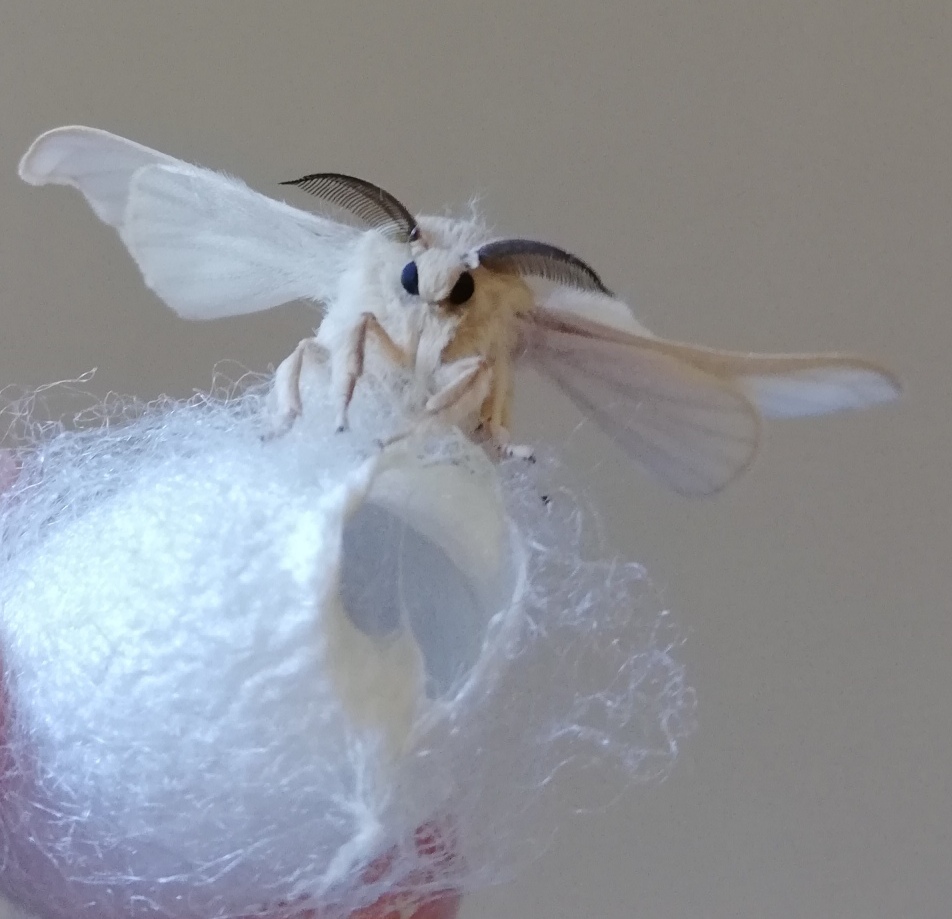
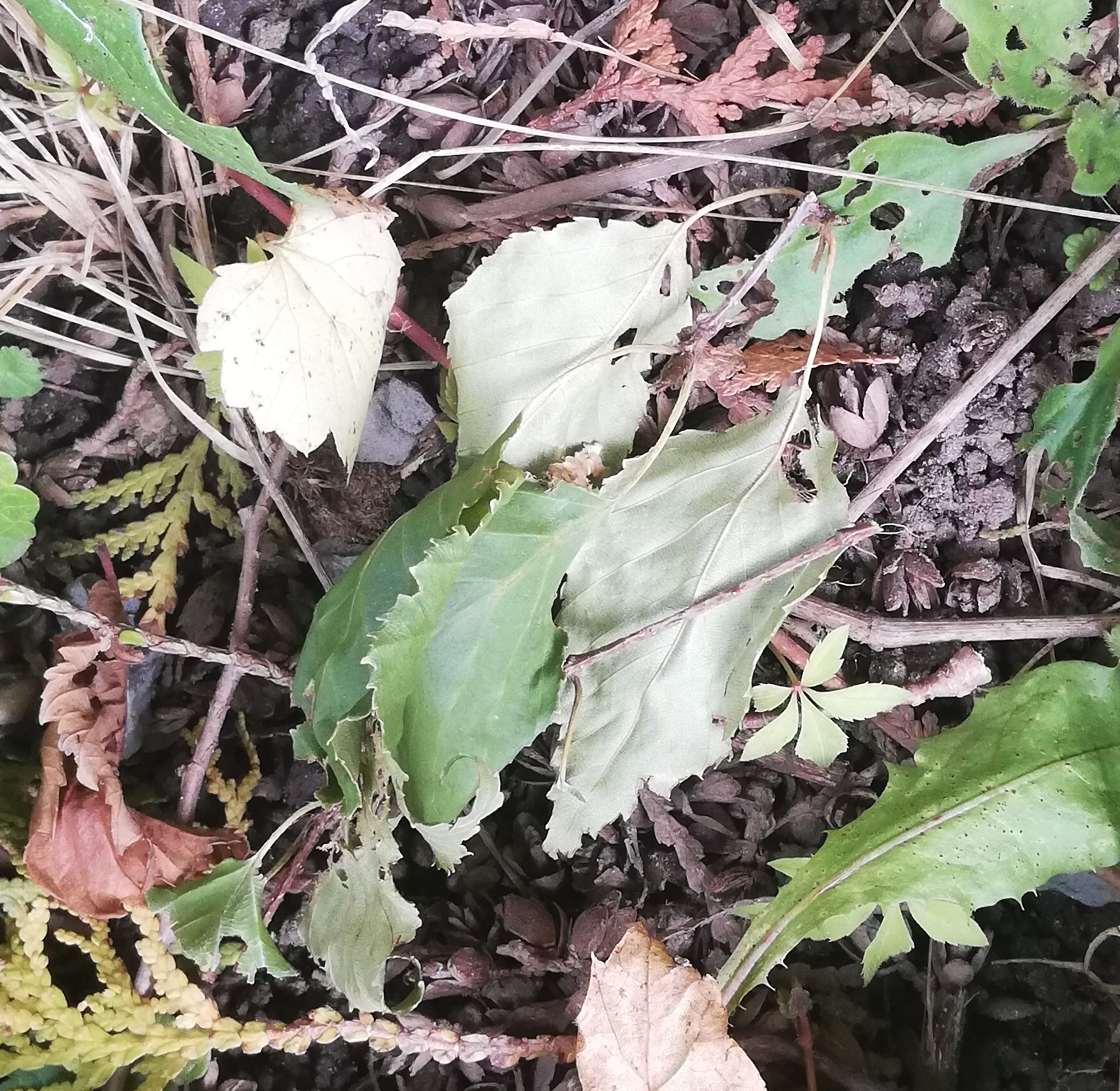
In many moth species, but not in butterflies, the larvae form a “cocoon” around themselves just before they pupate. The cocoon is made of silk, which the larvae produce in glands in the mouth. The silk we use for clothing comes from the beautiful pure white silk of the domestic silk moth (shown below). Caterpillars of many species incorporate leaves or soil into their cocoons. The cocoon hides the pupa (see the well camouflaged luna moth cocoon, below) and protects it from predators and parasitoids. Still, almost every moth species has some specialized natural enemy that has evolved the capacity to find and attack the pupa despite the presence of a cocoon. – Dr. Naomi Cappuccino
-
They have colorful wings to warn predators that they are poisonous and to attract a mate. – Greenhouse Manager, Ed Bruggink
-
Butterflies fly to find mates and female butterflies fly to find plants that their caterpillars can feed on. They also fly to avoid being eaten by predators, such as birds. Flying takes energy, so they also fly from flower to flower to get more “fuel” to power their flight.
Butterflies are beautiful, but their close relatives, the moths, have much more diverse and interesting lifestyles. All butterflies can fly, but the females of some moth species have lost their ability to fly and some even have little bitty wings that are useless! Instead of putting their energy into growing wings and flight muscles, they make thousands of eggs. They have traded the ability to fly to be super-moms. This only works if their offspring’s food plants are easy to find, like big trees.
Butterfly caterpillars often feed on host plants that are too small to support more than a couple of caterpillars and that are hard to find and scattered throughout the landscape. Butterfly females need to be strong fliers to find those plants and make sure they lay all their eggs during their 2-3 week adult lifespan. – Dr. Naomi Cappuccino
-
The butterflies in Carleton’s Butterfly Show come to Canada while they are in the pupae phase of their lifecycle. This is a resting stage where they are transforming into butterflies. Once they arrive to Carleton, the pupae are put in the nursery where they emerge as butterflies before being moved into the greenhouse. Check out this video to see our Greenhouse Manager, Ed Bruggink, unpack a shipment of pupae received for the show: https://carleton.ca/biology/annual-butterfly-show/who/.
-
This is a good question, because it is so hard to imagine how a butterfly that is all cramped and folded in its chrysalis manages to emerge. First of all, though, let’s make sure we’re using the right words since vocabulary is very important in science. When insects change from their larval form (for example, a caterpillar) to the adult form (for example, a butterfly) they form a “pupa”. In butterflies, we use a special word: “chrysalis”. For moths, it’s just “pupa”. Many moths go an extra step and cover their pupa with a cocoon. The cocoon can be made of just silk, produced by glands in the caterpillar’s mouth, or the silk can be used to tie leaves or chunks of soil together. Butterflies do not make cocoons for this extra layer of protection.
There are two words we use for describing an adult insect coming out of the pupa: “emergence” and “eclosion” (French for “hatching”). If you use the word “eclosion”, everyone will know you are a real “entomologist” (a scientist who studies insects). The term “evolution” is best left for things like birds evolving from a type of dinosaur.
Getting back to the chrysalis, when the butterfly is ready to eclose, the outer skin starts to soften and the butterfly flexes its muscles to make the skin split, so that it can get its legs out. Then it pulls the rest of the body out. At this point, the wings are all crumpled, and the body is short and plump. The butterfly pumps fluid into the wing veins, which helps them to expand. Once the wings are dried and hardened, excess fluid, called “meconium” is excreted. This “butterfly poop” is usually a very bright yellow, orange, pink or red. The butterfly has one more task before it flies: it needs to assemble its proboscis, the long, coiled straw it uses to feed on nectar. When a butterfly first emerges, its proboscis is split into two coils. After repeatedly coiling and uncoiling the proboscis, the two halves eventually zip together. Once it has working mouthparts and dry wings, and has pooped out the meconium, it is ready to fly. – Dr. Naomi Cappuccino
-
That’s a very good question, but one that is complicated to answer. All of these things–caterpillars eating leaves, the formation of the chrysalis and the emergence of the winged adult butterfly–have evolved over millions of years because those characteristics made the individuals that have them very successful.
Take eating leaves, for example. Leaves are not particularly nutritious if that’s all you eat. They are tough, they contain very little protein and they sometimes contain nasty chemicals. However, the first insects that were able to survive off a diet of just leaves had this food almost entirely to themselves, and they became quite successful. Over millions of years, they evolved into the hundreds of thousands of species of butterflies, moths and beetles that we know today.
The butterfly and moth life cycle–egg, caterpillar, pupa (chrysalis), winged adult–is also a strategy that is very successful. Caterpillars concentrate on feeding and growing. The simple caterpillar shape (sort of pool-noodle shaped) is the most efficient shape for growing fast and molting several times to get bigger. The winged adult is the most efficient form for finding a mate and, for the females, for searching for host plants to lay eggs on. These things together make the Lepidoptera (butterflies and moths) hugely successful, and have led to the amazing diversity of species that we see today. – Dr. Naomi Cappuccino
-
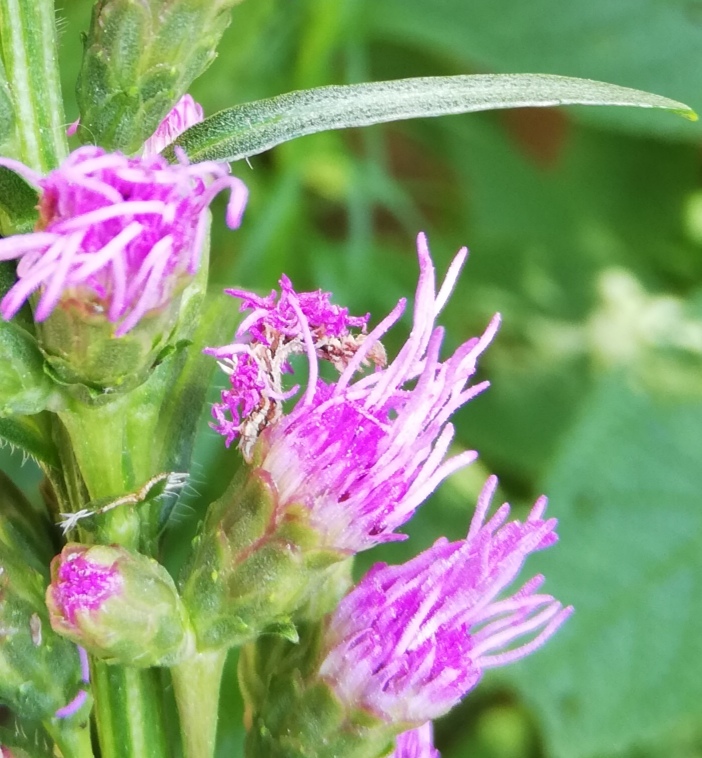
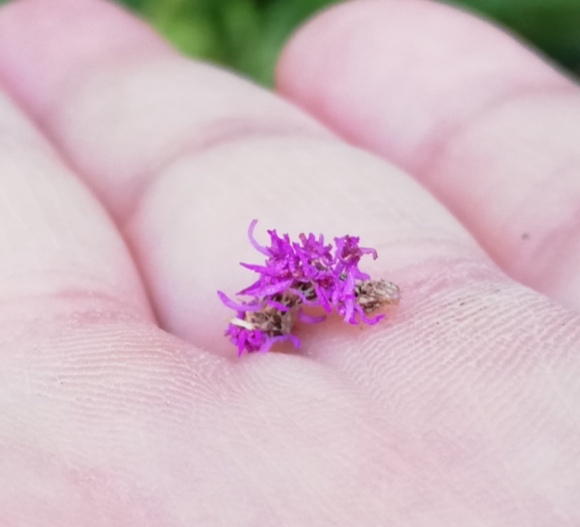
Almost all caterpillars feed on plants and most plant-feeding caterpillars feed on leaves, which are the most abundant and accessible part of the plant. However, there are some that burrow into stems, and others, called leaf-miners, that live between the top and bottom membranes of a leaf (the adults of these caterpillars are very tiny moths). A few caterpillar species prefer to eat flower petals, and there’s even one that decorates itself with the petals for camouflage (see the below photos).
Even more bizarre are the caterpillars that eat meat. Yes, that’s right: some caterpillars are carnivores! Here is a link to a video of a Hawaiian inchworm caterpillar catching and eating a fly! https://www.youtube.com/watch?v=zAiMzeOfOgA
And in case you think that sort of thing can only happen in exotic, tropical places like Hawaii, here’s a local example of a carnivorous caterpillar. The caterpillar of the harvester butterfly lives among wooly aphids on alder trees, uses their “wool” (which is actually made of wax) for a disguise, and eats them! Harvester butterflies can be seen in Ottawa in the Mer Bleue sector of the Greenbelt. https://uwm.edu/field-station/harvester-butterfly/ – Dr. Naomi Cappuccino
-
Butterflies do not have a nest in the sense that birds have a nest, where the parents sit on the eggs until they hatch and then take care of the babies. Butterfly mothers carefully choose a plant for their caterpillars to eat, but they do not stick around to take care of their offspring.
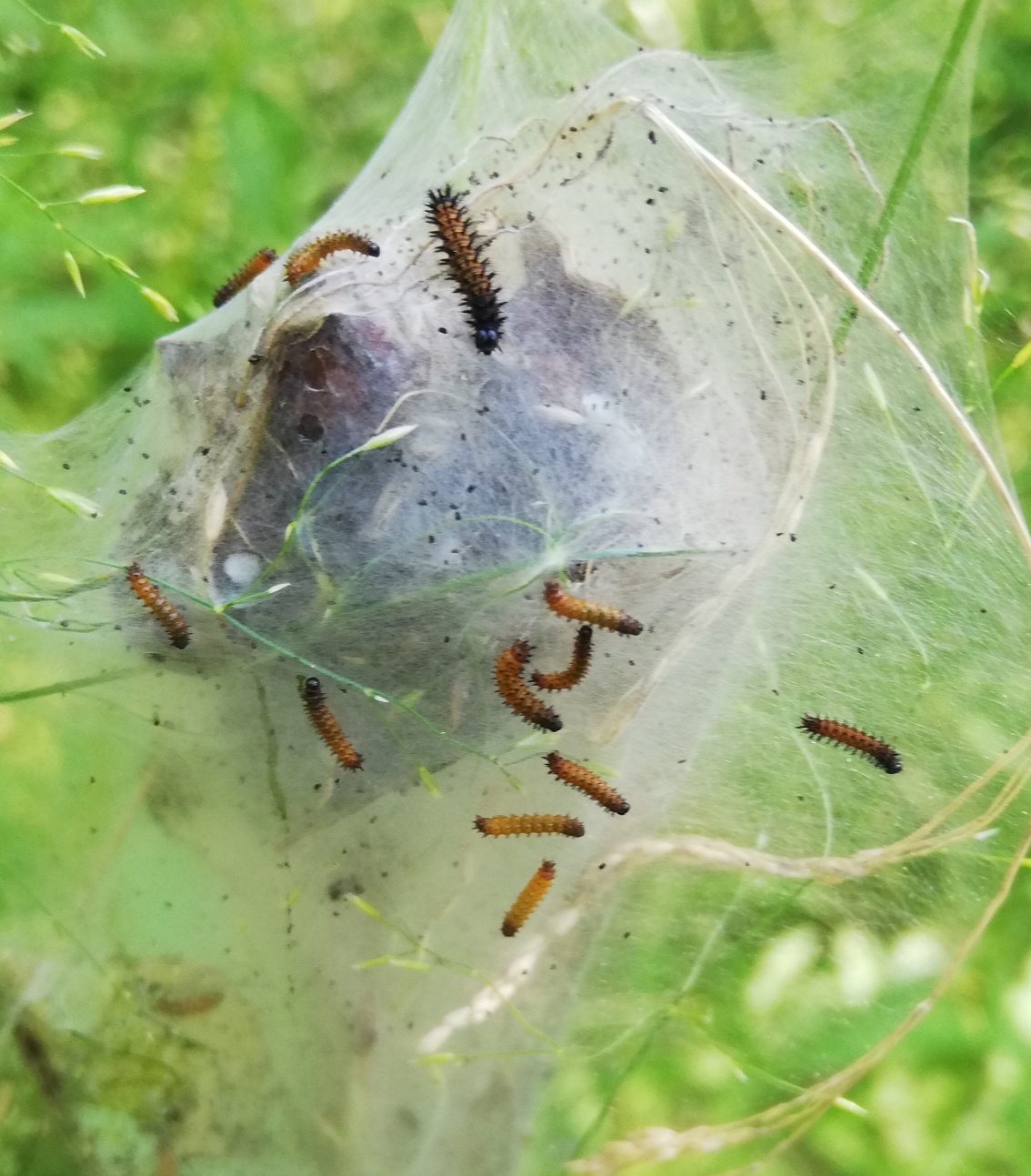
However, some caterpillars do live in a sort of nest. It is a tent that they make themselves, by tying leaves together with silk, which they produce from glands in their mouth. It takes many caterpillars working together to build the nest, so this behaviour is only seen in some butterfly species where the mother lays large batches of eggs on a single plant. The tent protects the caterpillars from predators. In Ottawa, Baltimore Checkerspot caterpillars make a tent on their food plant, white turtlehead. (The picture was taken along a trail in the Greenbelt.) – Dr. Naomi Cappuccino
-
This question is actually more complicated than it might sound at first. Strictly speaking, an individual butterfly’s life also includes its time in the egg, caterpillar and pupal (chrysalis) stages, not just the adult stage. For species with one generation per year that are dormant in the cold months, that would mean that a single individual can live for a year.
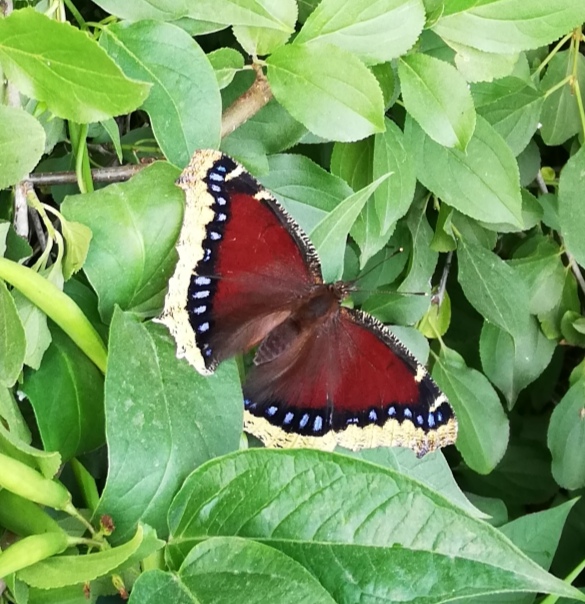
If you are thinking of just the adult stage, the lifespan can vary enormously, even in the same species. For any species that has two generations per year and overwinters as an adult, the overwintering adults live for 10-11 months, while the “summer” generation adults may live for only 2-3 weeks. The mourning cloak (photo below) is a good example of a butterfly species that has two generations in parts of its range and overwinters as an adult.
Then there is the issue of how long they can live (for example, in the lab, with appropriate temperatures and abundant food) versus how long they actually do live in nature, where they are subject to inclement weather and predators. I can pamper an old butterfly and keep it going for a month in the lab, whereas it might have lived only a week or two in the wild. – Dr. Naomi Cappuccino
Take a closer look at the Butterfly Life Stages described in the Butterfly Educational Posters on our Learning at Home page.
Page 1 of 3