Building Engineering
Master of Applied Science (MASc)
-
 Degree: Master of Applied Science (MASc) in Building Engineering
-
 Format: Full-time/Part-time, Thesis-based Master’s Degree
-
 Length: 2 years
-
 Areas of Study: Building Performance, Fire Safety, Heritage Conservation, General (no concentration)
-
 Entry Terms: Fall, Winter
What is Building Engineering?
Building Engineering is an interdisciplinary field focused on the design, construction, operation, assessment and renewal of buildings as integrated systems. This thesis-based master’s program supports original research in areas such as building performance and services, envelopes and structures, occupant comfort and safety, energy efficiency, fire safety, and the conservation of existing and historic buildings.
Building engineering brings together the systems, structures and services that shape how buildings perform throughout their life cycle. It examines how buildings are designed, constructed, operated and retrofitted, with attention to energy use, greenhouse gas emissions, occupant needs and other complex challenges facing buildings and the built environment.
Looking for a Course-based Master’s?
The Master of Engineering (MEng) in Building Engineering is a course-based degree for students interested in developing advanced technical knowledge through coursework, with the option to complete an applied research project.
What You Will Learn
Through advanced coursework and original thesis research, you will develop the skills to investigate complex building engineering challenges and contribute new knowledge to the field. Depending on your research area, you can:
- Design and conduct experimental, simulation-based, field-measurement or data-driven research
- Develop and evaluate new technologies, smart controls and strategies for high-performance buildings
- Use advanced sensing, measurement and modelling to understand how buildings and their occupants interact
- Apply digital documentation, material characterization and computational modelling to the conservation and retrofit of historic buildings
- Investigate fire dynamics, material behaviour, structural fire resistance, smoke movement and life-safety strategies
- Test and validate new approaches using laboratory facilities, full-scale environments and real-world building data

Get started in Carleton360 to receive tailored information about Carleton programs, student services and our community.
Areas of Study
Building Performance
Explore how passive and active building systems affect energy use, greenhouse gas emissions, indoor environmental quality and occupant comfort across design, construction, operation and retrofit. Research can include building physics and envelopes, energy systems, simulation, smart controls, data analytics, fault detection, field measurement, occupant-building interaction and decarbonization.
Fire Safety
Investigate how fires begin, spread and affect materials and structures. Research can include combustion and fire dynamics, computer and experimental fire modelling, structural fire engineering, material behaviour, smoke control, detection and suppression, evacuation, human behaviour and performance-based fire-safety design.
Heritage Conservation
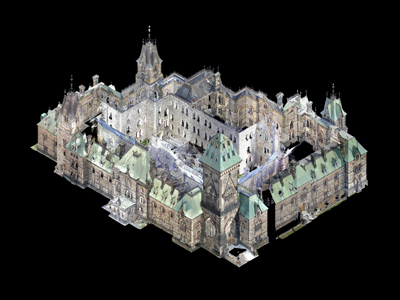
Conduct research focused on assessing, conserving and adapting existing and historic buildings while respecting their integrity and cultural significance. Research can include conservation planning, building characterization, materials and building pathology, structural assessment, digital documentation, 3D scanning, photogrammetry, computational modelling, rehabilitation, adaptive reuse and climate resilience.
General (no concentration)
Pursue interdisciplinary research in Building Engineering without completing a formal concentration. Work with your supervisor to develop a research focus that reflects your academic interests and research goals.
Career Outcomes
Carleton’s MASc in Building Engineering develops advanced research, analytical and technical skills for careers across the building sector. Graduates are prepared for research & development and technical-specialist roles in areas such as building performance, heritage conservation, fire safety, modelling, building controls, data analytics and technology testing and validation.
Jobs and Career Paths
- Building Science Researcher
- Research & Development Engineer
- Building Data Analytics Specialist
- Building Controls / Fault-Diagnostics Engineer
- Building Technology Testing and Validation Specialist
- Structural Fire Research Engineer
- Digital Heritage / Conservation Research Specialist
Industries and Sectors
- Engineering and consulting firms
- Building technology and research & development
- Energy, utilities and smart-building technology
- Building automation and controls
- Heritage conservation and adaptive reuse
- Fire safety and fire engineering
- Government, municipalities and regulatory agencies
- Research institutions and laboratories
- Universities and academic research
Why Building Engineering at Carleton?
Conduct Research in Real-World Environments
Combine simulation, data analytics, field measurements and laboratory experiments with opportunities for full-scale testing in occupied buildings.
Study in Canada’s Capital
Study in a city home to government, research and industry organizations working across buildings, energy, infrastructure and heritage conservation.
Connect with the Building Engineering Community
Engage with professional and research communities in building performance, heritage conservation and related fields through Carleton’s broader academic network.
Facilities and Research Environment
Benefit from Carleton facilities and research groups working in building performance, human-building interaction, building operations, energy systems, heritage conservation, fire safety and more.



How to Apply
Apply to the Master of Applied Science (MASc) in Building Engineering through Carleton360. As a thesis-based program, applicants must identify a faculty supervisor and develop a research proposal as part of the application process.
Find a Potential Supervisor
Looking for a supervisor for this research-based master’s program? Search our list of expert professors by specialty to find a match and connect with them by email.
Admission Requirements
The normal requirement for admission to the Master of Applied Science (MASc) in Building Engineering is a bachelor’s degree in engineering or a related program with at least a B+ average.
Applicants should have academic knowledge in the following areas:
- Calculus and linear algebra
- Thermodynamics or heat transfer
- General or applied physics
- Technical computer drawing or hand drawing
- Basic computer programming or demonstrated programming skills
Equivalent courses or demonstrated skills may be considered. Applicants whose academic background does not cover all required areas may be admitted with conditions that require additional courses.
Applicants must have the support of a faculty member who will supervise their research and must include a research proposal statement as part of their application. It is the applicant’s responsibility to make arrangements with a potential supervisor before applying.
Domestic Applicants
- Find the full list of documents you’ll need on the Instructions page when you begin your application, and learn how to submit your required documents
- Apply online and submit all required supporting documents
International Applicants
If you completed your degree outside Canada, review the minimum admission requirement equivalencies for your country along with the program-specific requirements above. You must also meet Carleton’s English-language requirements unless you qualify for an exemption.
- Check current application deadlines early and allow time for immigration and study permit requirements
- Find the full list of documents you’ll need on the Instructions page when you begin your application, and learn how to submit your required documents
- Apply online and submit all required supporting documents
Program and Course Structure
The MASc in Building Engineering requires 5.0 credits. Each area of study includes Introduction to Building Engineering, area-specific courses, approved electives and a 2.5-credit research thesis.
| Area of Study | Introduction to Building Engineering | Area-Specific Courses | Approved Electives | Thesis |
|---|---|---|---|---|
| Building Performance | 0.5 credit | 1.5 credits in Building Performance | 0.5 credit | 2.5 credits |
| Fire Safety | 0.5 credit | 1.5 credits in Fire Safety | 0.5 credit | 2.5 credits |
| Heritage Conservation | 0.5 credit | 1.5 credits in Heritage Conservation | 0.5 credit | 2.5 credits |
| General (no concentration) | 0.5 credit | 1.0 credit from the approved course list | 1.0 credit | 2.5 credits |
Sample Courses
- Research Methods for Building Engineering
- Indoor Environmental Quality
- Building Energy Management and Optimization
- Fire Modeling
- Advanced Computational Modeling Strategies of Historic Buildings
- Building Performance Simulation
- Advanced Building Characterization, Conservation and Rehabilitation
- Structural Assessment of Historic Buildings
- Fundamentals of Fire Safety Engineering
- Design for Fire Resistance
Tuition and Funding
Graduate tuition and fees vary based on factors such as your fee status and registration. Please review Carleton’s current graduate tuition and fee information to estimate the cost of your studies.
MASc students may be eligible for competitive funding through scholarships, awards, teaching assistantships (TA) and research assistantships (RA). Eligibility and availability vary.
Domestic Students
International Students
FAQs
Do I need a supervisor before I apply?
Do I have to choose a concentration?
What does the MASc program involve?
Can international students apply?
What academic background do I need?
What is the difference between the MASc and MEng?
Where can I find the official course requirements?
Looking for More Information?
Our team can help with questions about the Master of Applied Science in Building Engineering, admission requirements, application details and more.