Humanities in Practice
Collaboration and Community in Carleton’s Faculty of Arts and Social Sciences
At universities, the humanities have always been concerned with how we make sense of the world, its histories, its tensions, and how people live within it.
Today, in a moment shaped by rapid technological transformations and shifting social and political conditions, there is an intensifying need for humanities research and teaching that is engaged and grounded in direct relationships with the people and communities navigating these changes in real time.
As digital technologies, including artificial intelligence, reshape how people work, communicate, and make decisions, the need for forms of inquiry grounded in context, judgement, and human relationships becomes more pronounced.
In Carleton’s Faculty of Arts and Social Sciences, a recent workshop on community-engaged humanities, organized through the Institute for Comparative Studies in Literature, Art and Culture (ICSLAC), brought together researchers and students to explore how this approach is being carried forward in practice.
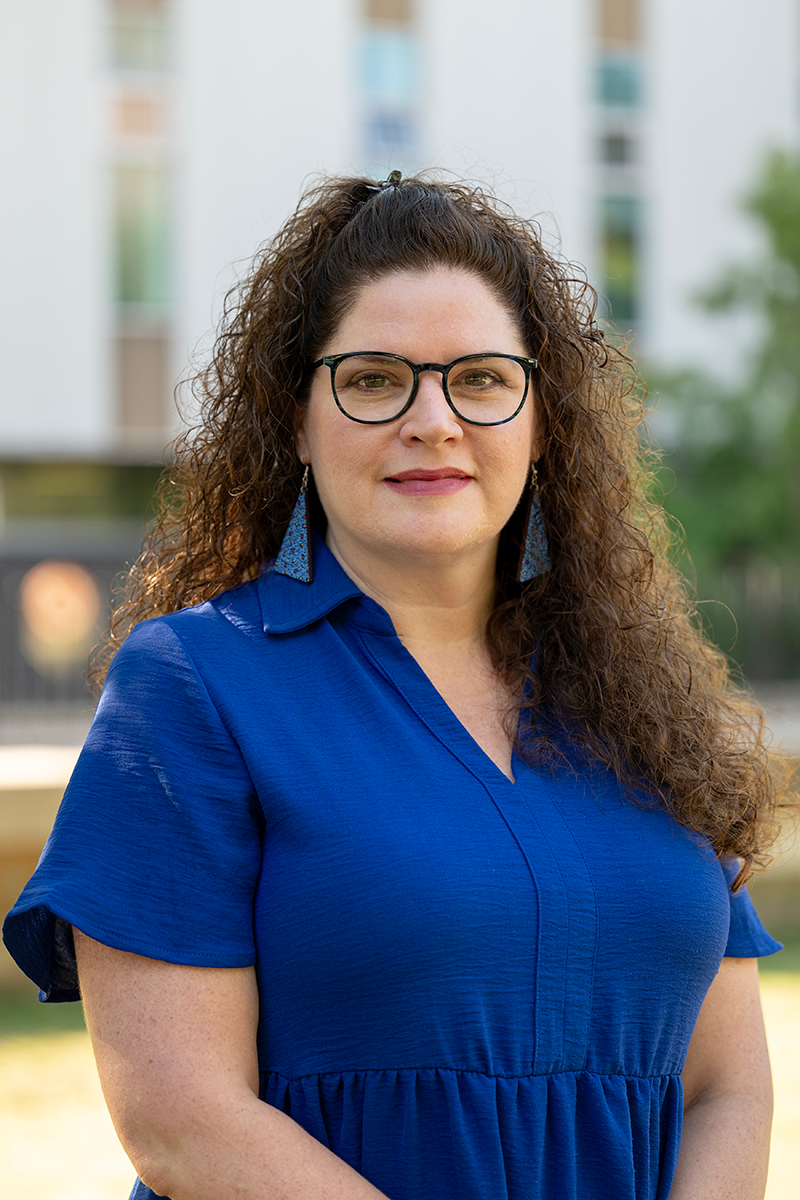
For Dr. Peter Hodgins, Associate Professor in the School of Canadian Studies and Director of ICSLAC, it starts with a shift in emphasis. “Professors are trained to profess,” he explains. “Community-engaged humanities asks us to do something additional with our expertise. It asks us to listen and to work with communities for change, not just analyze them.”
As Hodgins suggests, while this work is not new, the present context is placing greater emphasis on it, calling for a different pace and a more sustained set of commitments. Community-engaged research depends on trust, reciprocity, and a willingness to rethink how knowledge is produced and shared. It often begins with listening and with building relationships that can sustain meaningful work over time.
A Listen-First Approach to Research
Dr. Monica Eileen Patterson, Associate Professor in the Institute of Interdisciplinary Studies and Assistant Director of Curatorial Studies in ICSLAC, was one of the workshop’s featured contributors, sharing insights from her long-term, community-based research in childhood studies, museum studies, and public scholarship. Her work underscores that community engagement is shaped by context, history, and power.
“Community engagement can mean many different things,” says Patterson. “It’s often used as a catch-all, but in practice it requires time, trust, and an understanding of the relationships you’re entering into.” In her experience, those relationships cannot be rushed or instrumentalized.
Some of the most important work I’ve been part of has taken years, even decades, to develop. It changes how you think about research, because you realize you shouldn’t always be asking questions. Sometimes you need to listen first.
Dr. Monica Eileen Patterson
That focus on time and reciprocity also brings ethical considerations to the forefront. In contexts shaped by colonial histories and structural inequality, collaboration requires careful attention to power and responsibility. “We often go into communities thinking about what we’re contributing,” Patterson explains, “but in reality, we’re often the ones who receive the most. Recognizing that changes how you approach the work, and how you think about giving back.”
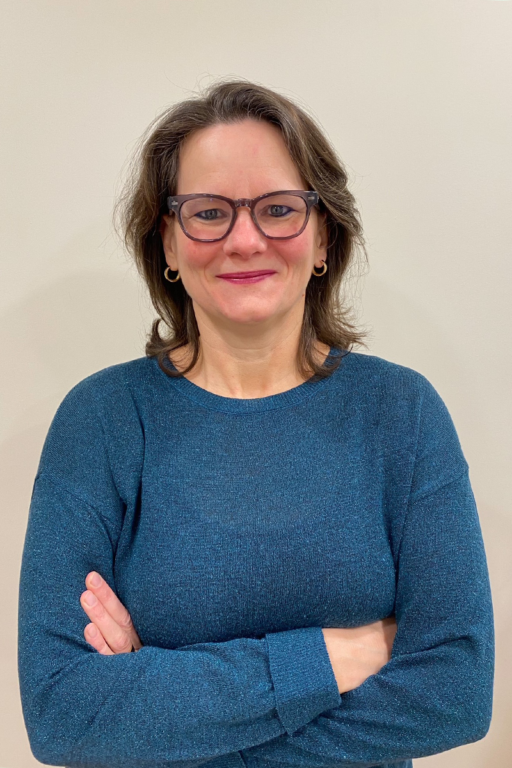
A similar commitment to long-term, relationship-based research shapes the work of Dr. Anna Hoefnagels, Professor of Music in the School for Studies in Art and Culture, who also contributed to the workshop. Her research in Indigenous music and community-based cultural revitalization has involved sustained collaboration with First Nations communities, supporting projects grounded in local priorities and knowledge systems.
“As a settler researcher, I’ve been privileged to work with the Native North American Travelling College in the Mohawk community of Akwesasne since 2015,” she explains. “Ongoing engagement, listening, and volunteering have shaped those relationships, allowing for research that responds directly to community priorities and needs.”
For Hoefnagels, this work is defined by its duration and its responsibilities. “Building and sustaining relationships over time, and prioritizing community needs over academic expectations, is central,” she says. “It’s also about finding ways to share that work more broadly, and to use the resources available through the university to support the communities we’re working with.”
Reshaping How Students Approach Research
Importantly, these approaches are also guiding how students learn and contribute within the humanities.
One key example is StudioDH, Carleton’s community-engaged digital humanities collaboratory. Led by Dr. Amanda Montague and Professor Shawn Graham, and featured as part of the workshop, StudioDH brings together graduate students, faculty, and community partners to develop digital projects that respond to lived contexts needs. The work sits at the intersection of technology and human experience, with an emphasis on shared expertise, and public-facing outcomes. As Montague explains, the model is designed to shift how students think about research and responsibility.
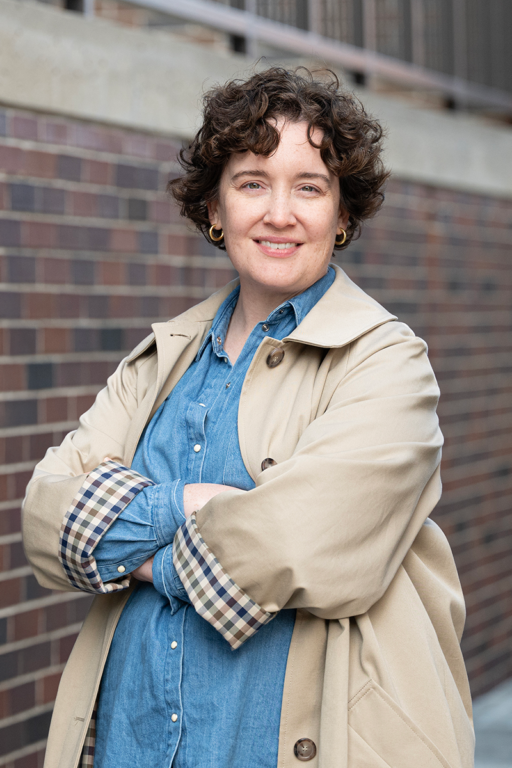
“In StudioDH, students develop digital storytelling and qualitative research skills by working on projects with real community partners, which means the work has real-world consequences and value beyond the classroom,” she says. “What feels different for many students is the relationship-building. Community partners are part of the process from start to finish, and that changes how students understand collaboration and accountability.”
For students, that shift is both practical and perspective-shaping. Ezlyn Whitaker, a master’s student in Sociology with a focus on digital humanities and the experience of social isolation and loneliness among post-secondary students specifically, describes how working with the Seniors Watch Old Ottawa South group has reshaped her understanding of research.
“The biggest shift was the context that came from working directly with the organization and the community they serve,” she explains. “It brought warmth to what can be a very heavy topic.”
Through participatory methods including photovoice, a participatory research method where individuals use photography to capture and reflect on their lived experiences, often paired with discussion or storytelling, Whitaker and her peers worked with seniors to explore experiences of social connection and isolation. What emerged was a richer understanding of the issue and a reframing of it.
“Seniors don’t just want to do puzzles — they want to engage with their community,” she says, reflecting on a point raised repeatedly by participants. The insight shifted how the group approached accessibility, moving beyond physical infrastructure to consider how spaces support meaningful interaction.
“In the humanities, we build knowledge to better understand the world around us,” Whitaker adds. “Working with communities showed me that my own perspective isn’t enough. I need to engage directly with the people I’m trying to serve.”