Purpose and Features
- The traditional thesis proposal template is a presentation format – the design spine is a process format.
- The design spine helps you work through the thinking and decision-making involved in designing your research.
- The intent of spine imagery is to encourage you to draw on the flow, complexity, flexibility and linearity of the spine to help you a) to see the connections between different aspects of your proposed research, b) to see how each aspect contributes to the overall logic of your argument, and c) to think about the flow of your thesis argument and evidence from beginning to end.
- The content of the spine is fluid. Headings are a thinking agenda devised by you. They, and the text of the spine, will be more or less ‘settled’ depending on where you are in your thinking/decision-making process.
- Plan to do succesive versions of the spine – revising proposed plans, adding more specific detail and addressing additional research design issues as you go forward. Eventually the content of the spine will settle and provide the information you need to present in a traditional thesis proposal format.
Guidelines and Recommendations for Creating a Design Spine
- Start with a blank page (or write on the spine image itself!) – identify what it is you need to work on to move your research design forward, and start to develop “decision-making” headings that will help focus your thinking. Build on this thinking as you go forward, but be prepared to revisit earlier thinking and decisions as you move through the design process.
- When working with the text, keep the spine imagery. Use centre alignment for all headings and text. To help keep your thinking/decision-making agenda in mind, distinguish the headings from the text (i.e., by using caps or a larger font).
- Keep text to a minimum. This is very important, especially in any theory/concept sections (where you will be tempted to write too much). Put down enough information to convey your ideas, but don’t let wordiness overtake the purpose of “seeing” the whole thesis set out in a condensed fashion. Aim for 3 pages total.
- Create your own headings – do not simply use headings developed in spines shown to you as examples. Your research will have unique aspects – use the construction of the headings as an aid to identifying and highlighting what these are. Also, as mentioned above, relevant headings will vary depending on where you are in your thinking/decision-making process.
- Focus on research practice issues and plans that could address your research questions. Try to be as specific as possible. If you are not sure about something, formulate a question as a marker for future thinking.
- You can use the spine to weigh up the advantages and disadvantages of different research strategies.
- Keep all versions of your spine – they are a good record of your thinking and decision-making process.
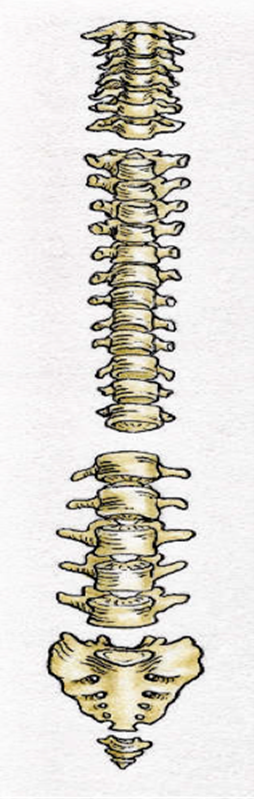
Spine Image
This is the spine image I have been using in my class. Use any image you like! We start by actually writing on this image – starting at any place that makes sense. When moving from writing on the image to typing text, keep the image of the spine as suggested by the guidelines above.