Veronica Vicencio Diaz
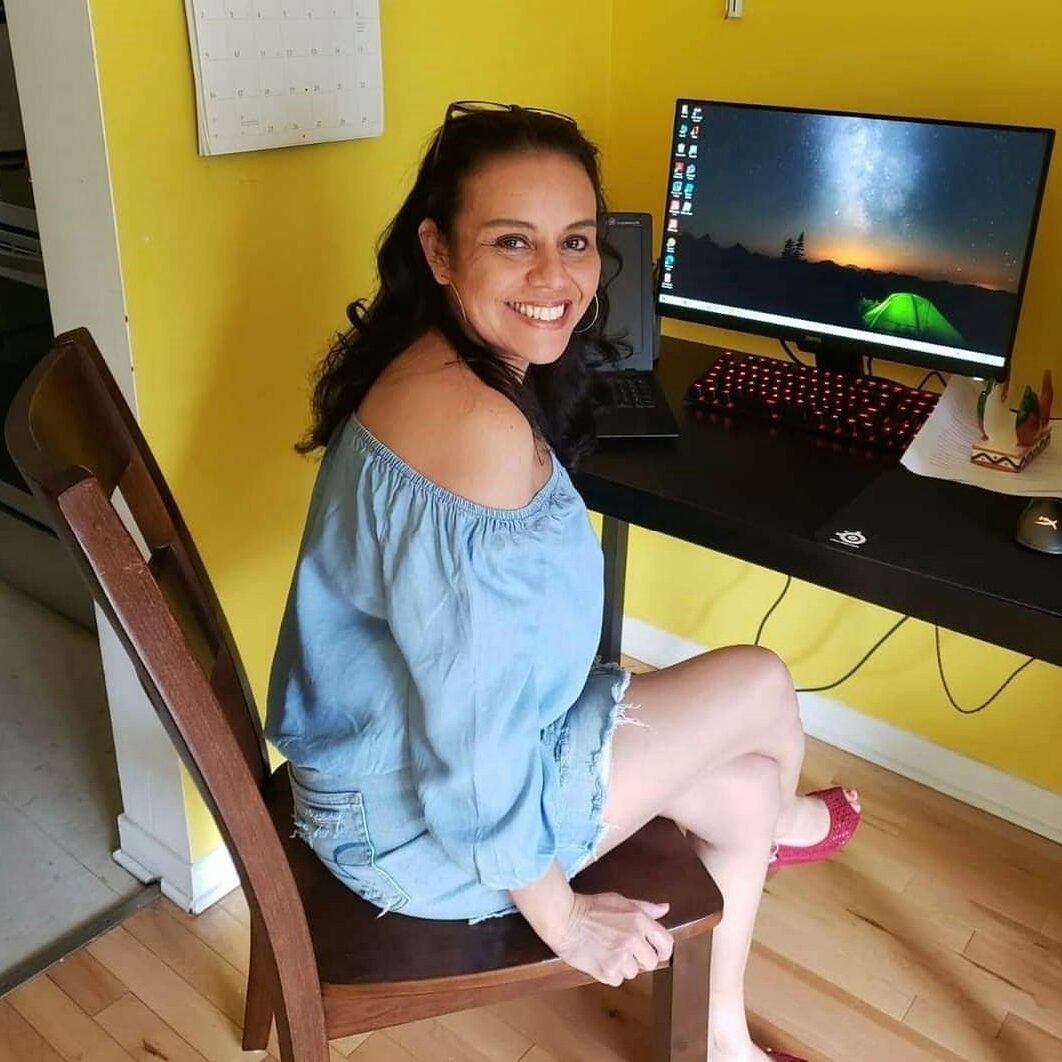
“It has been a great experience from professors and the administrative department.”
Verónica’s work explores how queer Latinas living in Ottawa navigate, negotiate, and challenge the dominant power structures of whiteness in the city, including its queer white environments. Based on eighteen months of ethnographic fieldwork in the queer bar, The Hot Room Bar and Nightclub in the ByWard Market, her work focuses on Latinas’ queer practices, including as they relate to gender performance, migration, identities, work, education, healthcare, family, friendships, sexual relationships, marriage, motherhood, language and mass media. At the same time, it refers to Latinas’ life experiences in Ottawa and the ways in which these women engage with the ideology of multiculturalism.
Her study takes up Gloria Anzaldúa’s theory of the borderlands to reveal the contradictory ways in which queer Latinas navigate, negotiate, engage, and challenge their social border crossings. Through borderlands, her work focuses on the shifting processes experienced by Latinas post-migration. As well, it concentrates on Latinas who despite not having experienced migration, still experience racialization because of their Latin American or Caribbean backgrounds. Verónica illustrates how these women engage and use social mixing to reinvent themselves with the purpose of living meaningful lives post-migration and it is within this reinvention that these women are also able to break up the binary thinking of being Latin Americans or Canadians and instead, create new identities for themselves. She examines the complex ways in which queer (migrant) Latinas experience different forms of racialization in the city and how this racialization becomes part of the shifting process of Latinas’ self-reinvention post-migration. As well, her work highlights stereotypes as one of the forms in which Latinas experience Ottawa and while some Latinas experience them in harmful ways, other Latinas use stereotypes in creative ways for social and economic mobility, and some even to succeed on television.