Beyond the Butterfly Show: Butterfly Research at Carleton
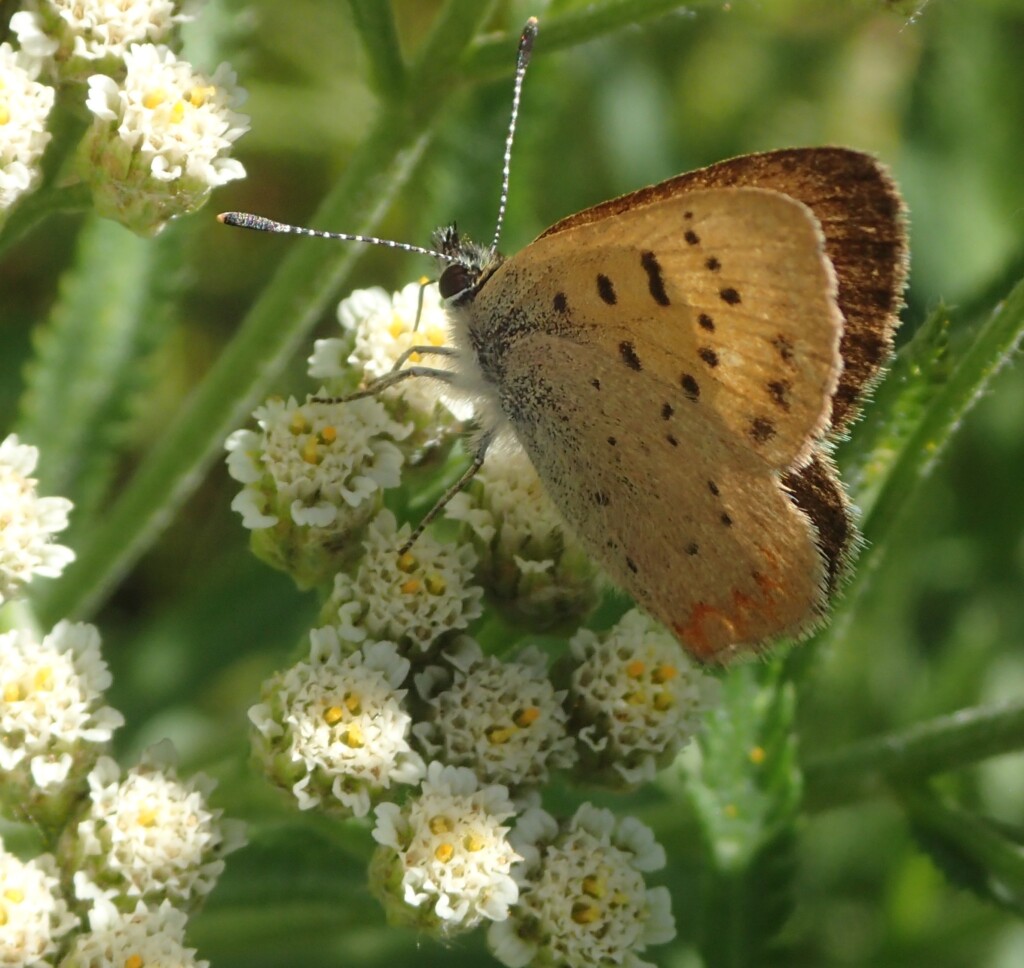
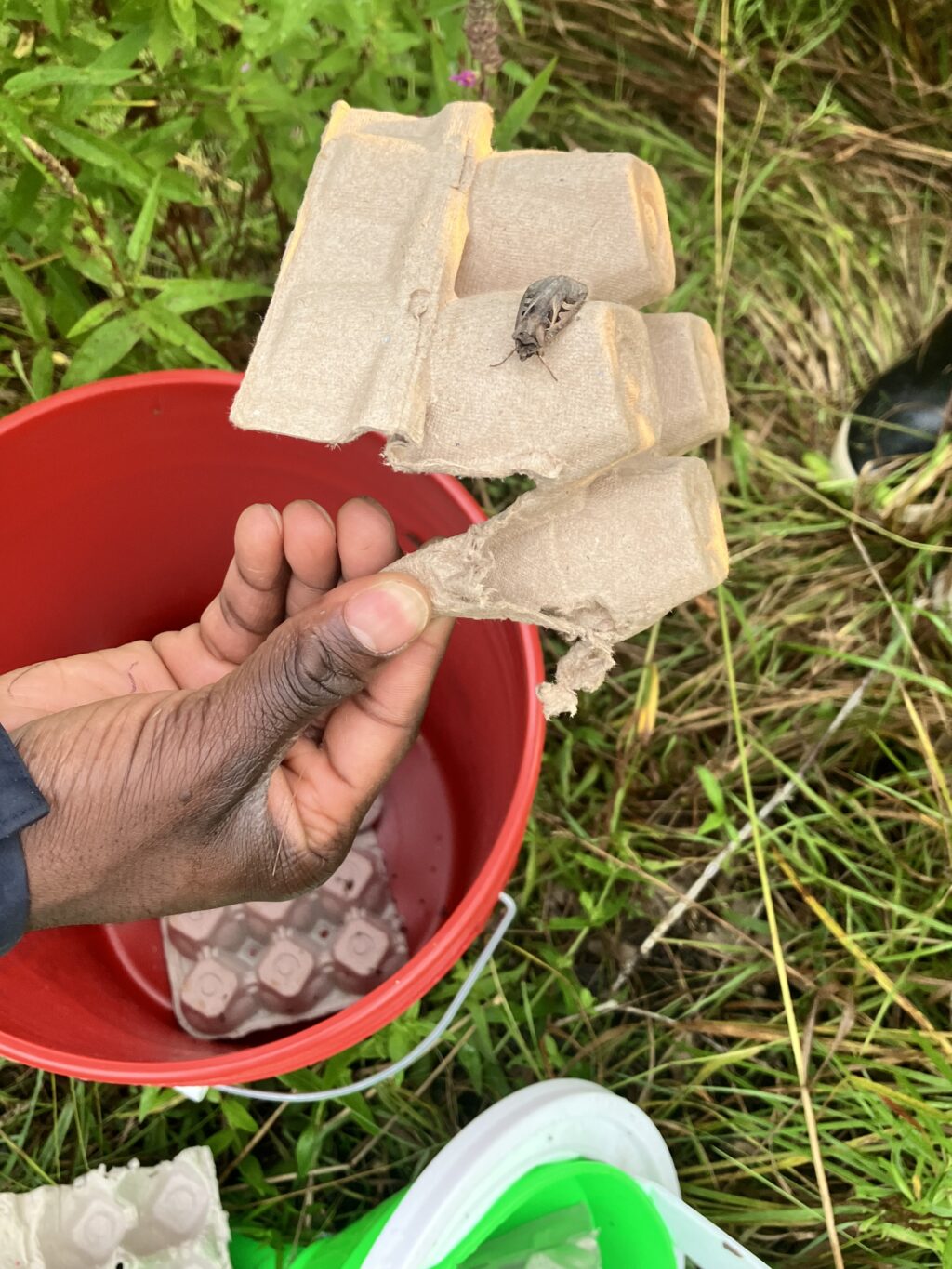
The Annual Biology Butterfly Show is not the only activity related to butterflies at Carleton! We have a series of ongoing projects that relate to evolution, behavior, ecology, and conservation of butterflies. Here, we provide a gist of the research and activities we conduct, so that you can reach out if you want to hear more about (or participate in) them.
The Yack lab studies insect sensory systems. Did you know that many butterflies have ears located at the bases of their forewings? By studying the morphology, neurophysiology and behaviour of butterflies, we learn about their sensory ‘worlds’. We believe that butterflies and moths use their hearing to listen for predators (see, e.g., articles here and here), and in some cases, to communicate with each other.
The MacMillan Lab works to understand how and why various aspects of an insect’s environment (like temperature, pollution, or diet) set limits to their performance and survival. Working on butterflies, they found that butterfly nervous systems undergo a sudden “shut down” event, called spreading depolarization, at low temperatures. Butterfly species living in colder climates can even maintain brain function to lower temperatures! (see article here).
The Biodiversity Conservation Solutions lab works on a broad range of conservation projects, including how to make cities more biodiversity friendly and how this influences human health. They have recently begun working on how tree planting affects moth and butterfly communities in Ottawa (hear more about the project here), and even help establishing pollinator gardens throughout Carleton’s campus (see news article here)!
The Fahrig Lab researches the effects of landscape structure on biodiversity and the abundance, distribution and persistence of wildlife populations. Their work has demonstrated that butterfly diversity and abundance are higher in more heterogeneous agricultural landscapes, with smaller crop fields and more semi-natural areas such as hedgerows (see, e.g., articles here and here).
The Riva Lab works on biodiversity conservation across spatial scales and has supported butterfly conservation in Canada and beyond. Recent work from the lab summarises trends in butterfly populations across the world, for more than 40,000 populations of hundreds of butterfly species (see, e.g., research article here and a related news article). They also helped coordinating the first Global Butterfly Week, with a dedicated event for families held in Ottawa’s Fletcher Wildlife Gardens at the beginning of June. Please come join us for the second event, planned for June 2027!