A truly remarkable moment in the history of Carleton’s journalism program unfolded last week during an in-person intensive course on audio journalism for students in Carleton’s new Certificate in Journalism in Indigenous Communities.
 The focus of this certificate program has been providing journalism skills education remotely, so that students can explore careers in journalism through online courses without having to leave home and community.
But a key part of this certificate project – launched last September by Prof. Duncan McCue – has been to bring the full class together a few times in-person for intensive courses. The first intensive was held at the launch of the program last September on Manitoulin Island, with partner Kenjgewin Teg, an Indigenous technical institute.
The second in-person intensive was held last week in the home of the School of Journalism and Communication in Richcraft Hall, on the Carleton campus.
The week-long session began at dawn on Sunday morning, Feb. 15, with a Sunrise Ceremony led by Cultural Advisor, Marilyn Debassige, in the atrium of Richcraft Hall, overlooking the Rideau River.
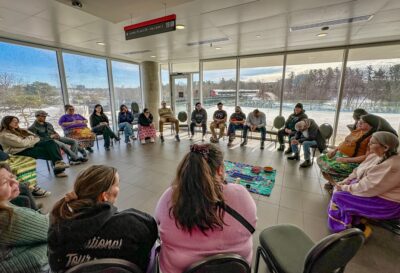
Cultural Advisor Marilyn Debassige leads a sunrise ceremony in the atrium of Richcraft Hall, overlooking the Rideau River.
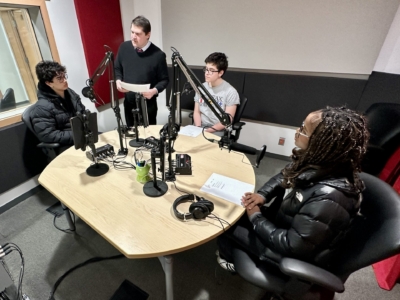
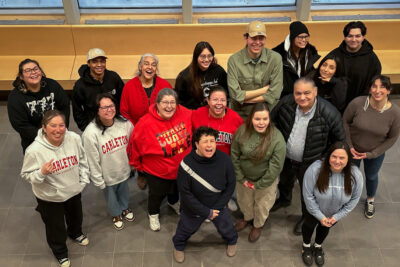
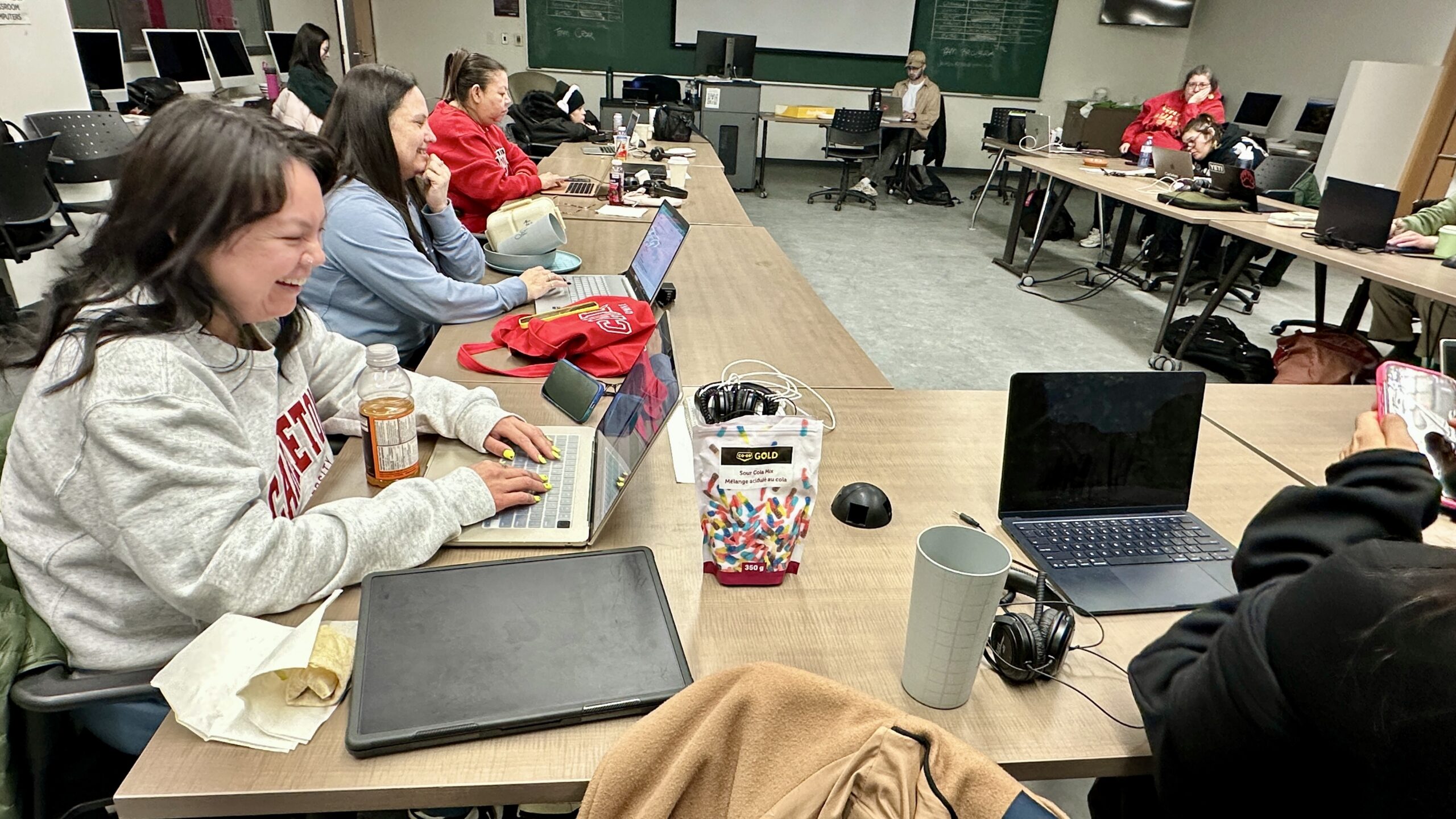
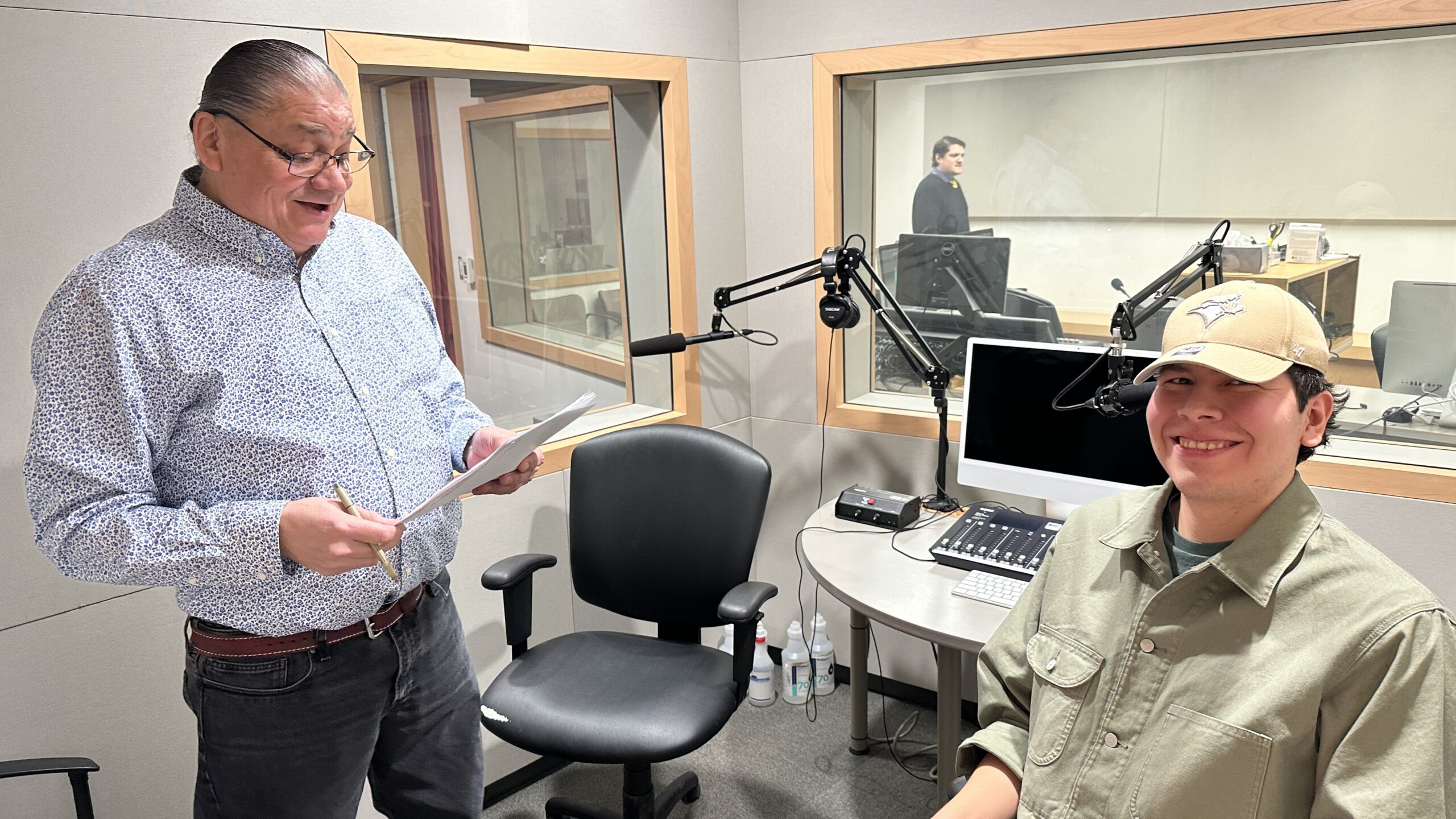
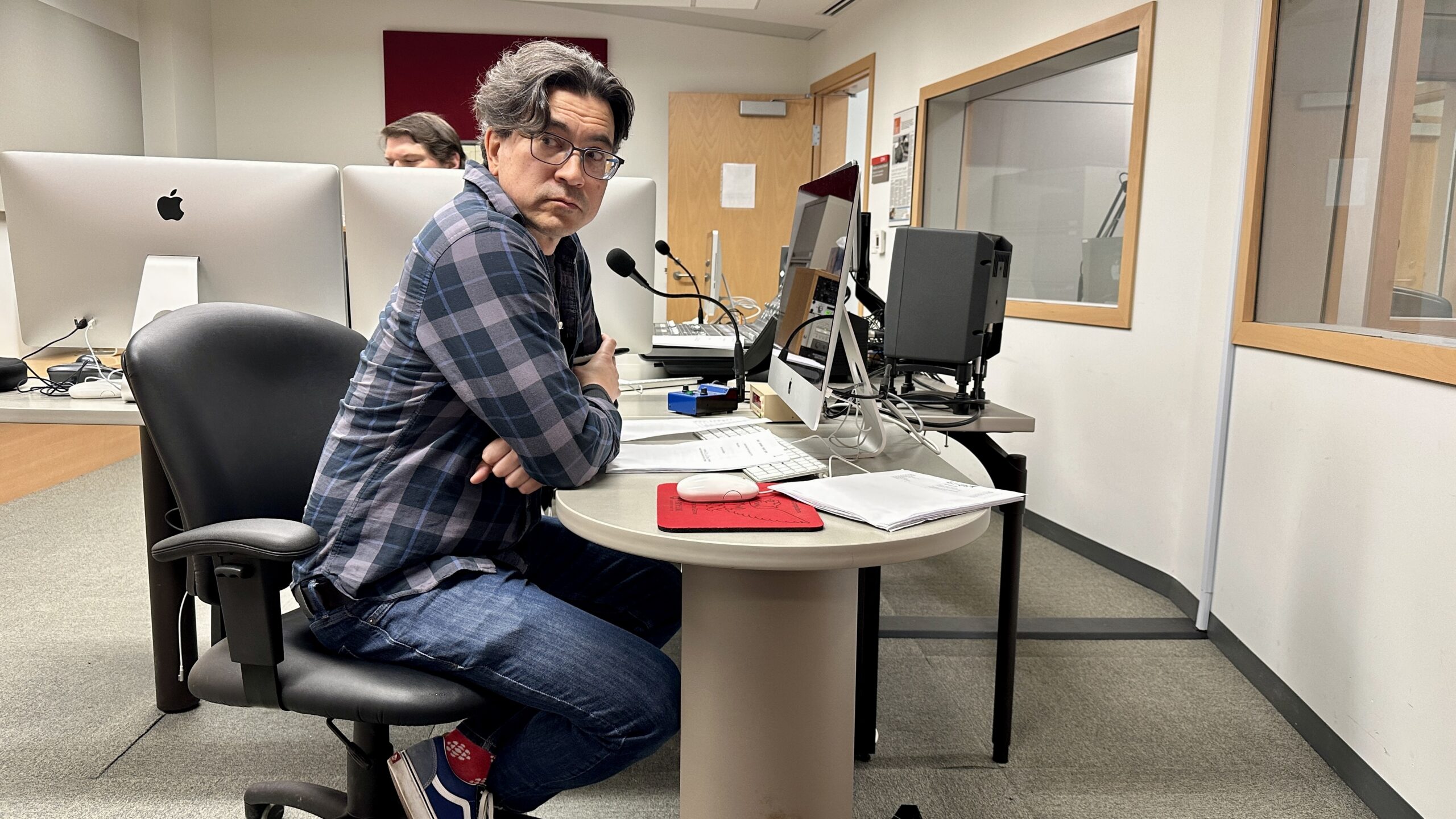
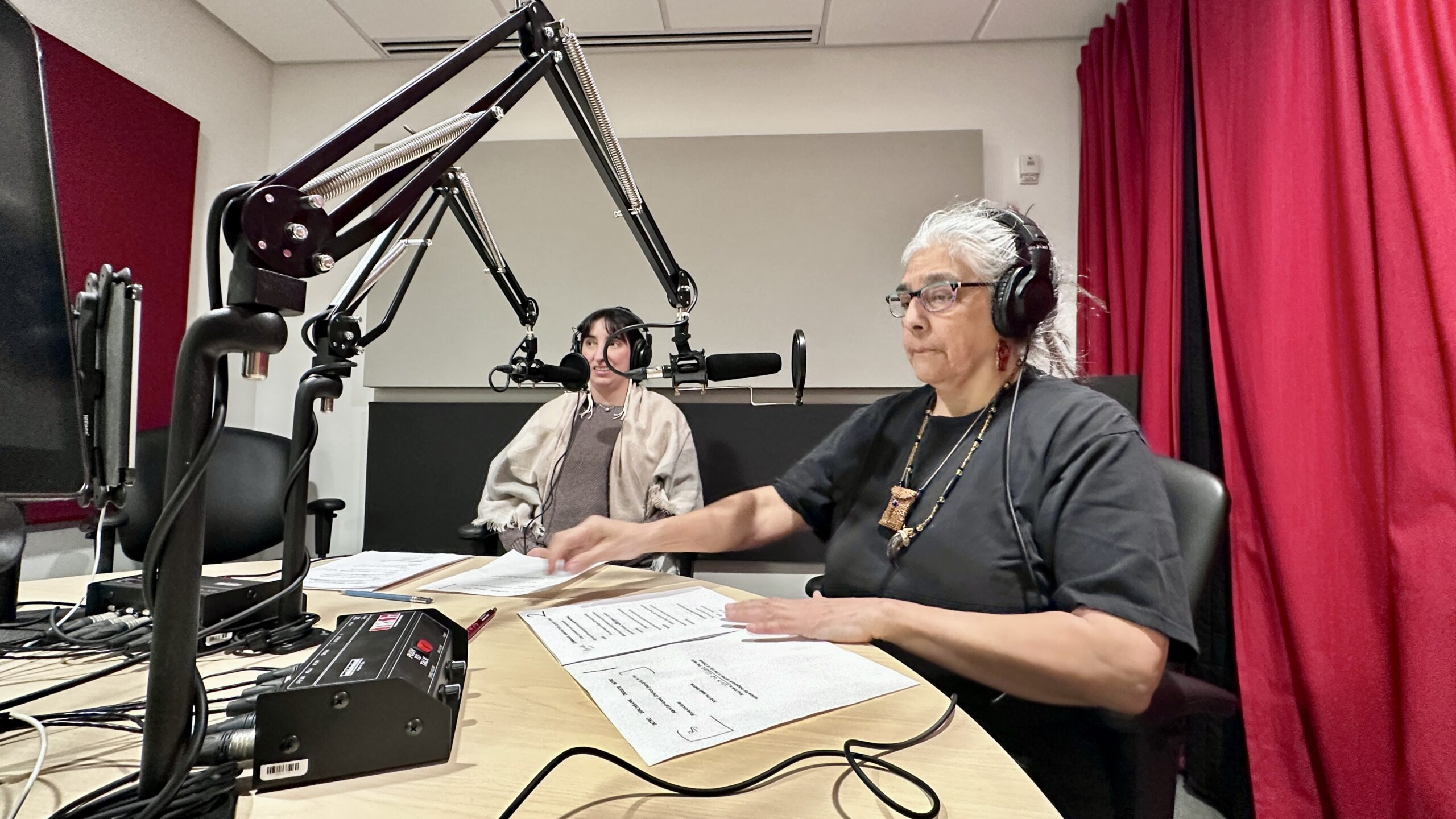
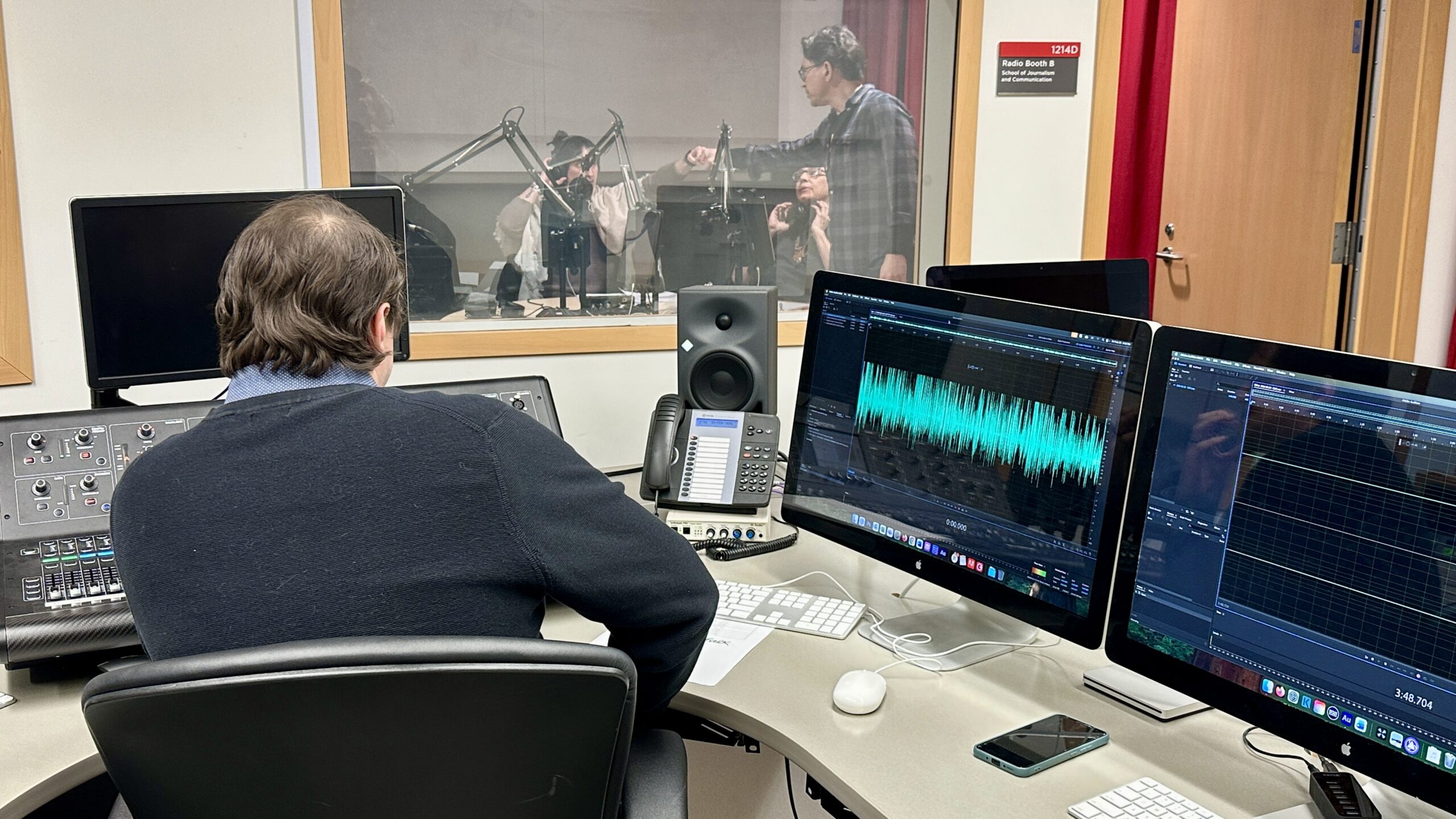
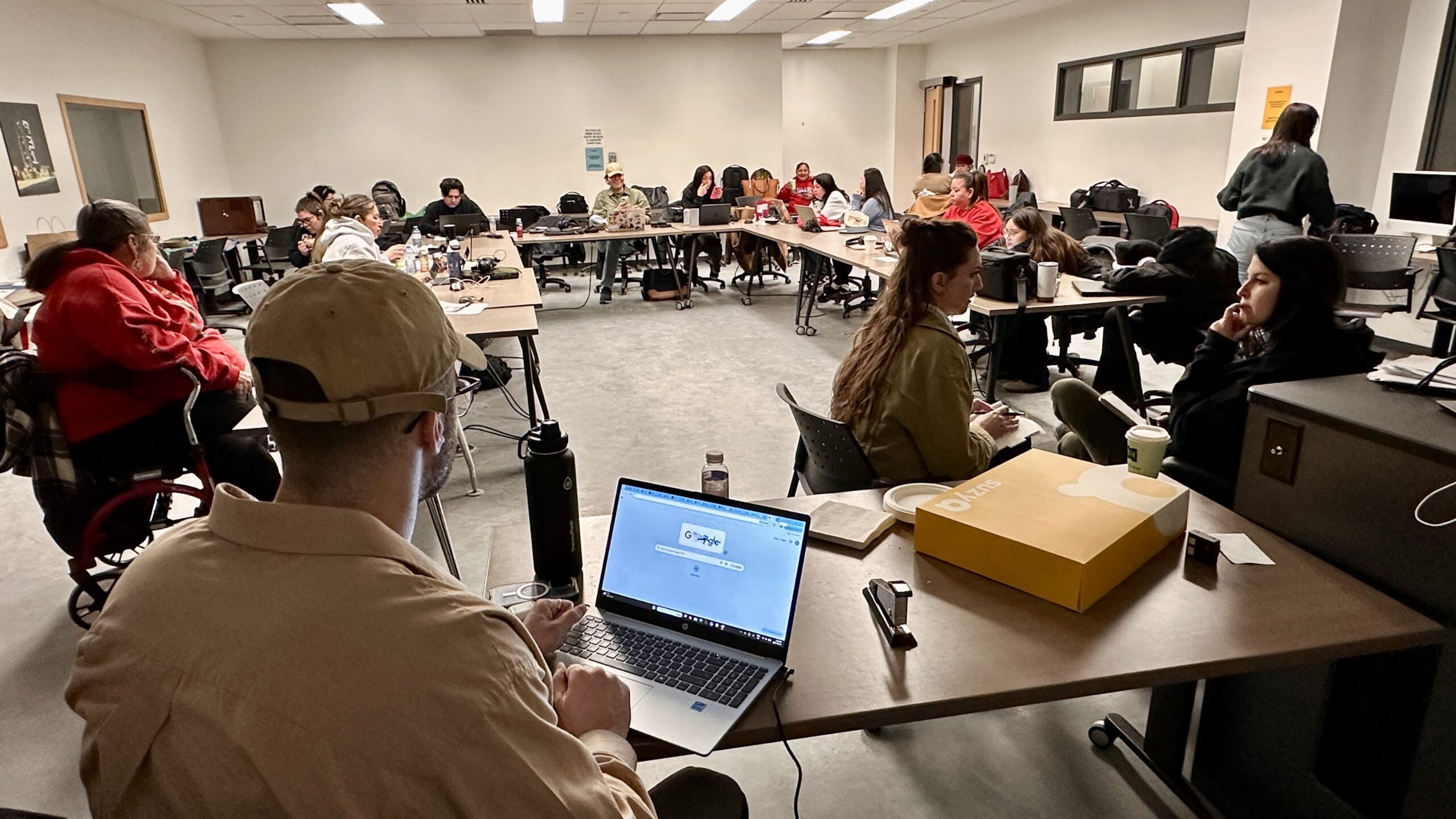
And for the rest of the week, under the guidance of contract instructor Rhiannon Johnson, the 17 students in the program came together for their Introduction to Audio Journalism course, delivered in Carleton’s audio studio. Johnson is a Michisaagiig journalist who grew up in Hiawatha First Nation in southern Ontario. She is a producer for CBC’s Unreserved, which is the radio space for Indigenous community, culture, and conversation.
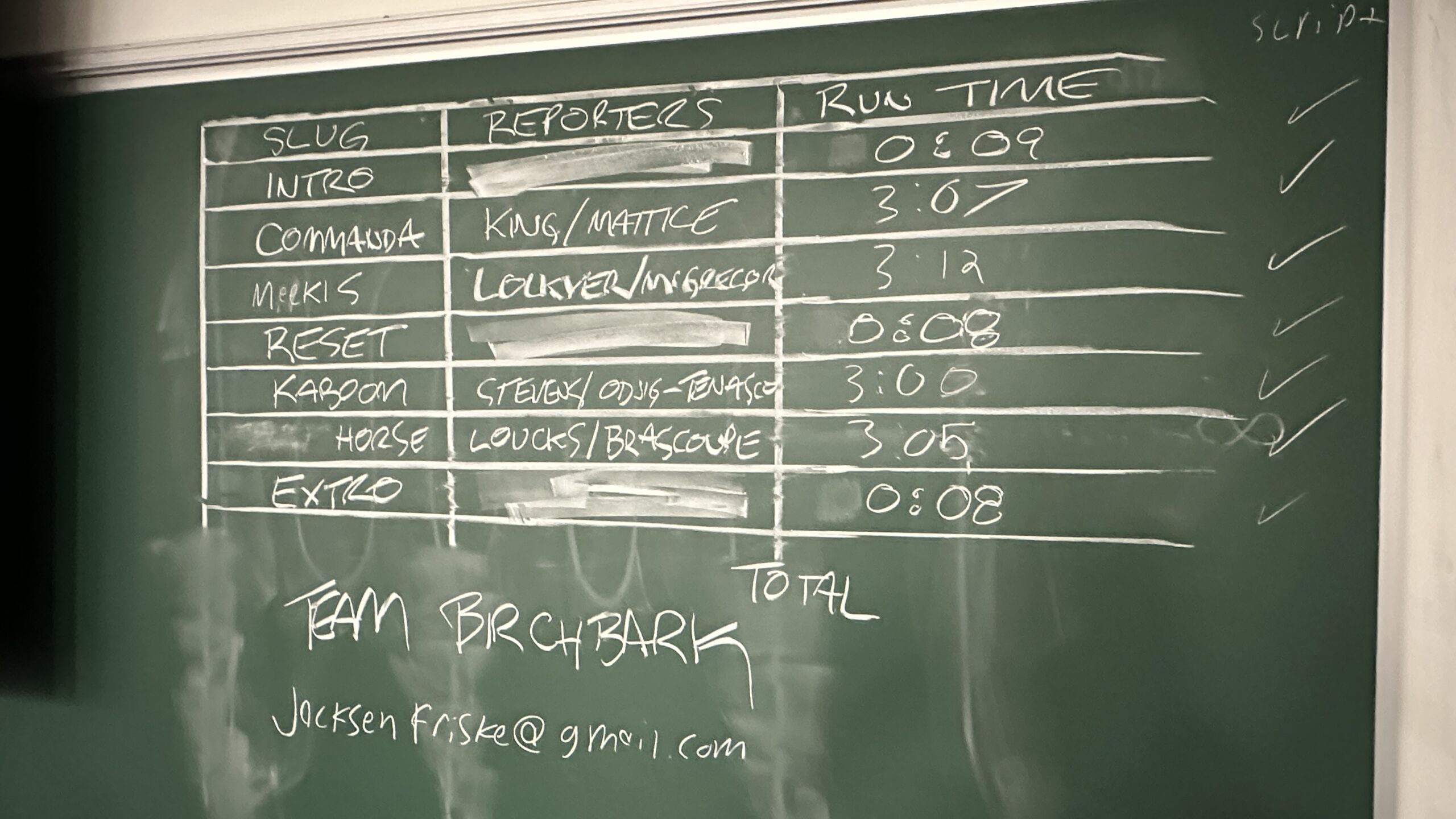
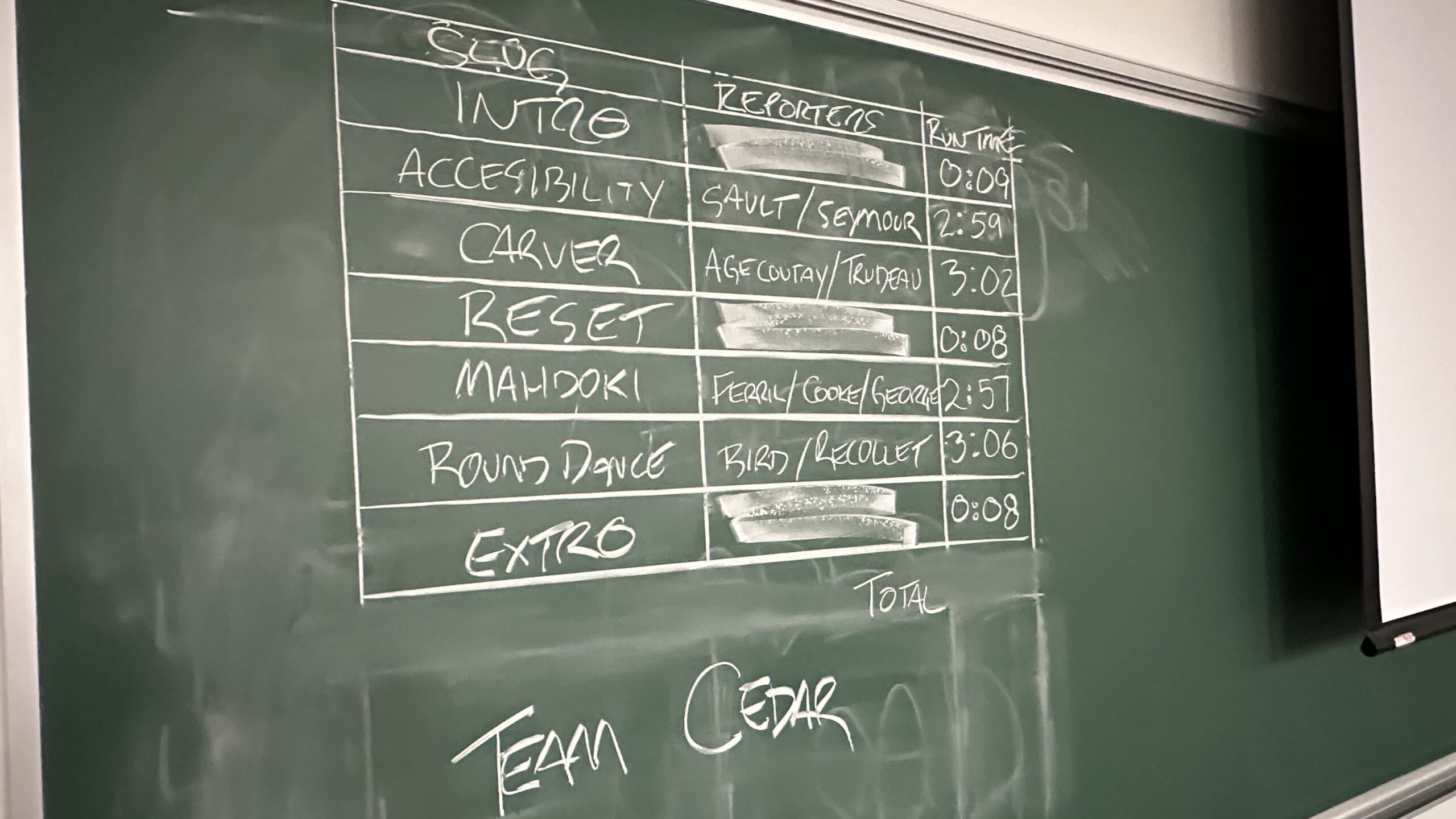
After just five intense days, the students produced an audio newscast to professional standards, featuring stories about Indigenous life in Ottawa.
In the feedback session after the newscast, both the instructor and some of the students were brought to tears when describing the profound impact of the experience they’d just been through. The universal conclusion – “we can do this.”
“Storytelling is our superpower.”
And as a special treat on Wednesday night – in the midpoint of a very busy week – students got a chance to kick back and have a laugh during a comedy night hosted in the journalism program’s resource centre. Comedians Janelle Niles and Randy Schmucker delivered a comedy set as part of the Got Land? Indigenous Comedy Group.
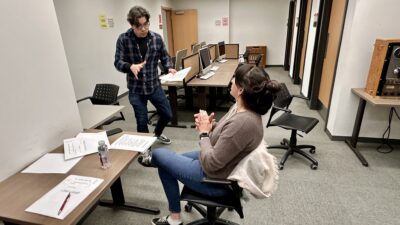
The Certificate in Journalism in Indigenous Communities is led by Prof. Duncan McCue.
Carleton launched a unique one-year journalism skills certificate delivered on the ground in Indigenous communities to break down barriers and give Indigenous learners a chance to explore a career in journalism without leaving home.
While there are opportunities for Indigenous storytellers in Canada’s journalism industry, many youth still face barriers to pursuing their interest in journalism. As a result, Indigenous perspectives remain underrepresented in Canadian media.
Carleton launched its Certificate in Journalism in Indigenous Communities Certificate with the support of the Mastercard Foundation and in partnership with two of Ontario’s Indigenous Institutes – First Nations Technical Institute and Kenjgewin Teg. Together they have developed a braided learning experience, ensuring every learner has adequate social and cultural support for successful completion of the certificate.
Certificate participants are being taught by experienced Indigenous journalists, with training provided by Indigenous institute partners throughout. The group has reached the mid-point in their nine-month course of study. They return to Carleton for their video journalism intensive course in May, after completing an online course in Entrepreneurial Journalism and two-week internships.
The program aligns with Carleton University’s commitment to reconciliation and embraces the vision of Kinàmàgawin (Learning Together), Carleton’s Indigenous strategy. As part of recommendations put forward by Carleton University’s Strategic Indigenous Initiatives Committee (CUSIIC) and the more than 600 contributors to the strategy, the university seeks to revitalize and support bringing Indigenous knowledge into teaching and learning.
Carleton has received transformational support from Mastercard Foundation, through its EleV program, for the development and delivery of the certificate. EleV recognizes that Indigenous youth are the youngest, fastest growing population in the country and the leaders and agents of change for their communities and the country as a whole.
“The generous support of the Mastercard Foundation to deliver this certificate program isn’t just a monetary donation; it recognizes the tremendous value that Indigenous voices have always brought to making sense of the world through storytelling,” says Carleton University President and Vice-Chancellor, Wisdom Tettey.
Monday, February 23, 2026 in Journalism News, News
Share: Twitter, Facebook