2SLGBTQ+ Specific Supports and Resources
Table of Contents
Policies and Plans
EDI Action Plan
Carleton’s EDI Action Plan outlines ways to reimagine curricular and pedagogical practices, and commits to further enhancing student supports, research infrastructure and leadership development for academic and non-academic staff, organizational culture and more.
Human Rights Policy
Carleton’s Human Rights Policy works to ensure all members of the university share a responsibility that ensures the university’s educational, work and living environments are safe and free from discrimination and harassment.
2SLGBTQ+ Resources
-
The Gender & Sexuality Resource Centre (GSRC) is operated by CUSA. Their goal is to provide a safe(r) space for those wishing to connect with the queer and trans community at Carleton. They provide peer support, referrals to community resources, and a drop-in space to socialize and study.
The GSRC programs a wide variety of events. Some of these events are educational, while others are focused on creating social spaces for LGBTQ+ students. Their space is also home to a wide variety of resources, including safer sex supplies, gender-affirming resources, and a queer library containing over 1000 books.
The GSRC is located at 427 University Centre. Find out more on the GSRC website or email GSRC to learn more.
-
The Carleton Pride Society is a student-run club dedicated to strengthening Carleton University’s 2SLGBTQ+ community.
-
The Carleton University Engiqueers (CUE) are a student-run club for 2SLGBTQ+ engineering students, although they are open to all Carleton students. They facilitate social and educational events throughout the school year, and work to promote inclusivity within the Faculty of Engineering and Design. Their office is located in room 3350 of the Mackenzie. You can find out more on the Carleton University Engiqueers website or email Carleton University Engiqueers to contact them to learn more.
-
The Carleton Trans Advocacy Group (CTAG) is a volunteer-run advocacy group formed to address the needs of trans and nonbinary students, faculty, and staff at Carleton University. This grassroots group was formed in 2019 and is comprised of under/grad students, staff, and faculty members who are either trans, nonbinary, or trans allies and educators. CTAG advises the Trans and Non-Binary Inclusion Coordinator and seeks to address gender inequities and injustices at Carleton. Learn more on the Carleton Trans Advocacy Group website.
Interested in getting involved? Join CTAG’s mailing list.
-
In partnership with Health and Counseling Services, the 2SLGBTQ+ Mentorship program provides individual peer support for students in the 2SLGBTQ+ community at Carleton by pairing them with an upper-year mentor. Peer Mentors are also members of the 2SLGBTQ+ community and can use their past experiences to help guide and support students in the program. The program provides students with an opportunity to develop skills that will enable them to thrive socially, personally and academically.
-
Women’s Only Hours will be offered in the Fitness Centre featuring black-out blinds to accommodate various needs within the community.
The Carleton Fitness Centre also offers a space for members of the trans community and allies to work out with physical and psychological safely. The Trans & Allies fitness hours are run out of the Personal Training Studio.
Hours and more information for women’s only hours and related trans and allies offerings.
-
Affinity Groups bring together students who share a piece of their identity such as race, gender, age, religion, disability and/or sexual orientation. It is intended to create a safe space for students who are often marginalized to gather, share their experiences, and build relationships.
Residence currently offers 7 different Affinity Groups, one for our Black Students, one for Indigenous Students, one for International Students, one for Mature Students, one for Racialized Students and Students of Colour, one for our Students with Visible and Invisible Disabilities, and one for our 2SLGBTQ+ students. Every two to three weeks our student staff lead meetings and organize interactive activities that provide residence students an opportunity to connect and share a common aspect of their identity. Learn more about affinity groups in Residence.
Gender-Inclusive Washrooms
View a list of all the publicly-accessible gender inclusive washrooms on campus.
University-Led Resources
-
The department of Equity & Inclusive Communities (EIC) works to develop a campus environment free from discrimination, harassment, and sexual violence. EIC’s work is centred on five essential services:
- Consultation work across the university’s campus
- Education, training, and professional development
- Policy development and advice
- Case intake and resolution
- Communication and reporting
EIC also manages cases of discrimination and harassment through both informal and formal complaint processes.
EIC is responsible for a number of key university policies, including the University Human Rights Policy, the Sexual Violence Prevention Strategy, the Equity, Diversity, and Inclusion Strategy, and the Trans & Non-Binary Work Plan.
The Equity and Inclusive Communities offices are located in the Carleton Technology and Training Centre (CTTC) in room 3800. EIC can be contacted via email at equity@carleton.ca, and more information can be found on the Equity and Inclusive Communities website.
-
The Centre for Indigenous Support and Community Engagement (CISCE) aims to provide safe spaces for dialogue and learning for Carleton students, staff, and faculty. Their mandate encompasses both creating community spaces and a sense of belonging for Indigenous students as well as providing educational training and resources to the Carleton community about the histories and experiences of Indigenous peoples. Their work is guided by a deep connection to ancestral teachings and recognition of the Algonquin people within whose territory their office is located.
The CISCE operates the Ojigkwanong Indigenous Student Centre, which is designed to be the heart of the Indigenous community on campus. It provides a space where First Nation, Métis, and Inuit students can socialize, study, and participate in both academic and cultural programming. It is located at 228 Paterson Hall.
In addition to Ojigkwanong programming, the CISCE develops and provides professional development training for faculty and staff concerning the history of Indigenous communities, appropriate language to use when discussing Indigenous peoples, and the experiences of Indigenous students on university campuses. They also consult on the development of curriculum and student support strategies. The CISCE also led the development of the Kinimagawin Indigenous Initiatives Strategy, and an annual symposium on Indigenous topics which shares the same name. CISCE also offers an Indigenous Peer Mentorship Program. An Indigenous Peer Mentor is an experienced student who is willing to participate in the reciprocal process of sharing their knowledge, skills and expertise to facilitate a new student’s transition into university life and help build their leadership skills.
The Centre for Indigenous Support and Community Engagement is located in the Carleton Technology and Training Centre. Visit the CISCE website or email CISCE to learn more.
-
The Paul Menton Centre for Students with Disabilities (PMC) provides accommodations and support to all Carleton students with disabilities. Some of the accommodations they offer include extended time to complete assignments or exams as well as notes taken by other students. They also manage bursaries, scholarships, and awards available to students with disabilities, and can refer students to further resources and supports when necessary. the PMC’s Disability Coordinators work one-on-one with students to develop individualized supports.
In order to access their services, students are required to register with the PMC. Learn about the PMC registration process.
The PMC’s offices is located at 501 Nideyinàn (formerly the University Centre). To learn more, visit the PMC website, email PMC, or call by phone at 613-520-6608.
-
Ombuds Services is an independent office funded jointly by Carleton University, the Carleton Undergraduate Student Association (CUSA), and the Graduate Students’ Association (GSA) (through CUSA). An ombudsperson is a neutral, informal, confidential, and independent party whose role is to help resolve and mediate disputes. Their services are available to university staff and students, and they are able to assist with a wide variety of topics, for example: academic integrity allegations, student conduct violations, communication and interpersonal issues. Please note that the Ombudsperson does not provide legal advice.
Ombuds Services is located at 511 Nideyinàn (formerly the University Centre). Visit the Ombuds Service website or contact Ombuds Services to learn more.
-
The International Students’ Services Office (ISSO) provides a wide variety of supports and resources to Carleton’s population of international students, as well as domestic students on exchange. They run events throughout the year, provide advice on visas and immigration, and help international students and incoming exchange students transition to living and studying in Canada.
The ISSO also administers the UHIP health insurance plan, which is mandatory for any student who is ineligible for OHIP coverage. More information on gender-affirming care and UHIP can be found here.
The ISSO is located at 128 Nideyinàn (formerly the University Centre). For more information about their services and supports, email ISSO or visit the ISSO website.
CUSA Service Centres
The following resources are operated by the Carleton Undergraduate Student Association (CUSA). For more information about their operations, email CUSA’s VP Student Issues.

Carleton’s Disability Awareness Centre
Challenging stereotypes about disability and breaking down barriers at Carleton University.
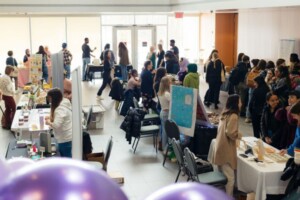
Women’s Centre
Creating a safe(r) space where all individuals feel empowered and heard.
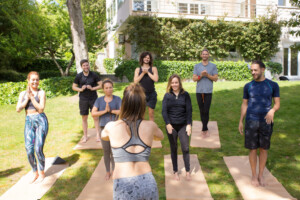
Wellness Centre
Committed to providing a range of professional services and empowering programming to help you thrive in all aspects of your health journey.
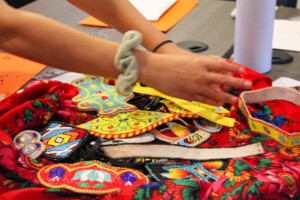
Mawandoseg Centre
Creating a safe(r) space where Indigenous students feel valued, heard and celebrated.
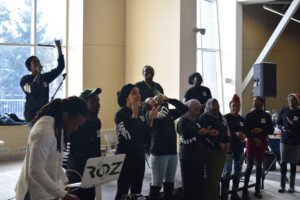
Racialized and International Student Experience
Through peer-to-peer dialogue, engaging programming, and unwavering support, we aim to foster a sense of belonging and community.