Carleton Students Showcase Research and Collaborative Teaching Projects
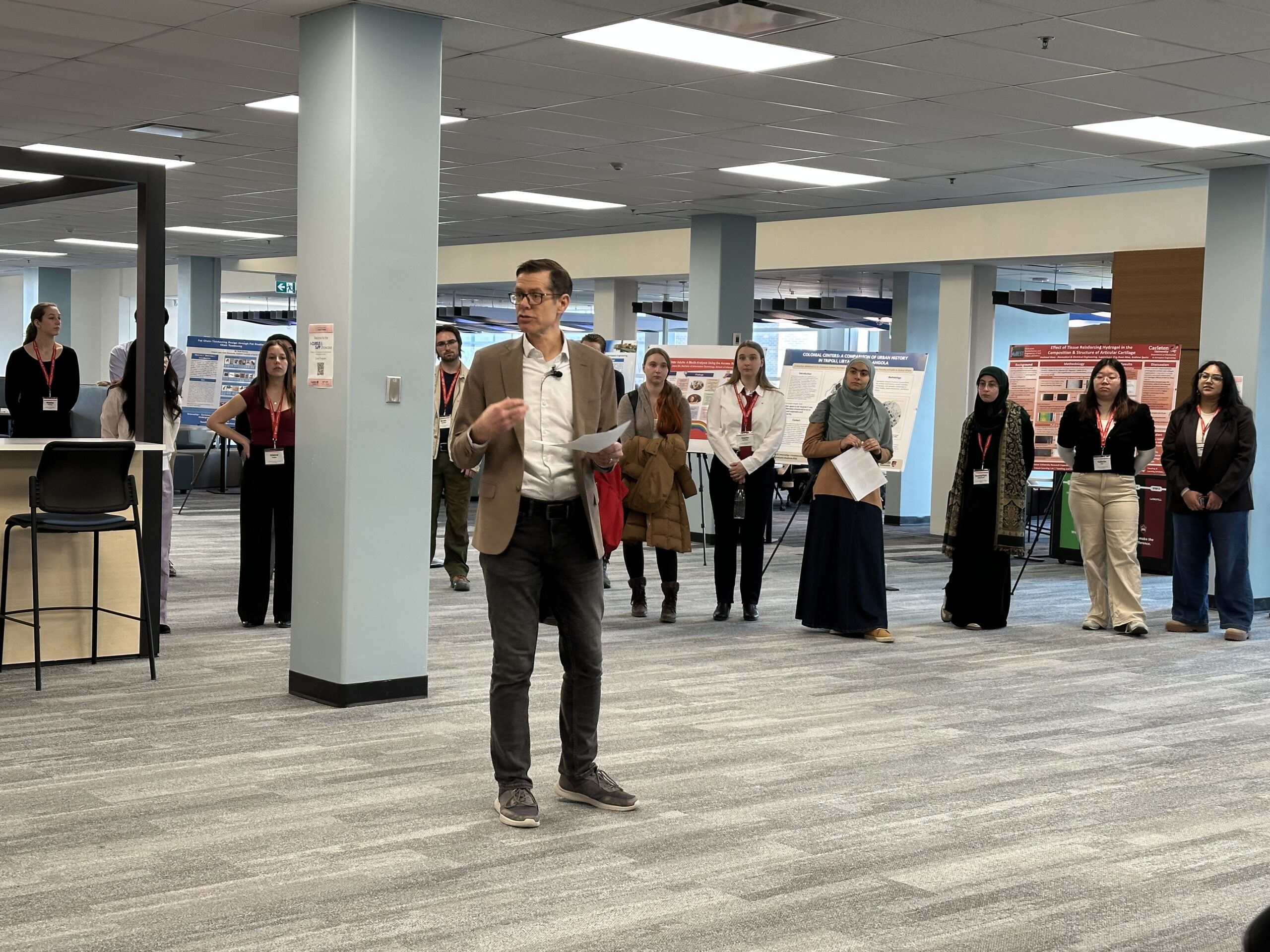
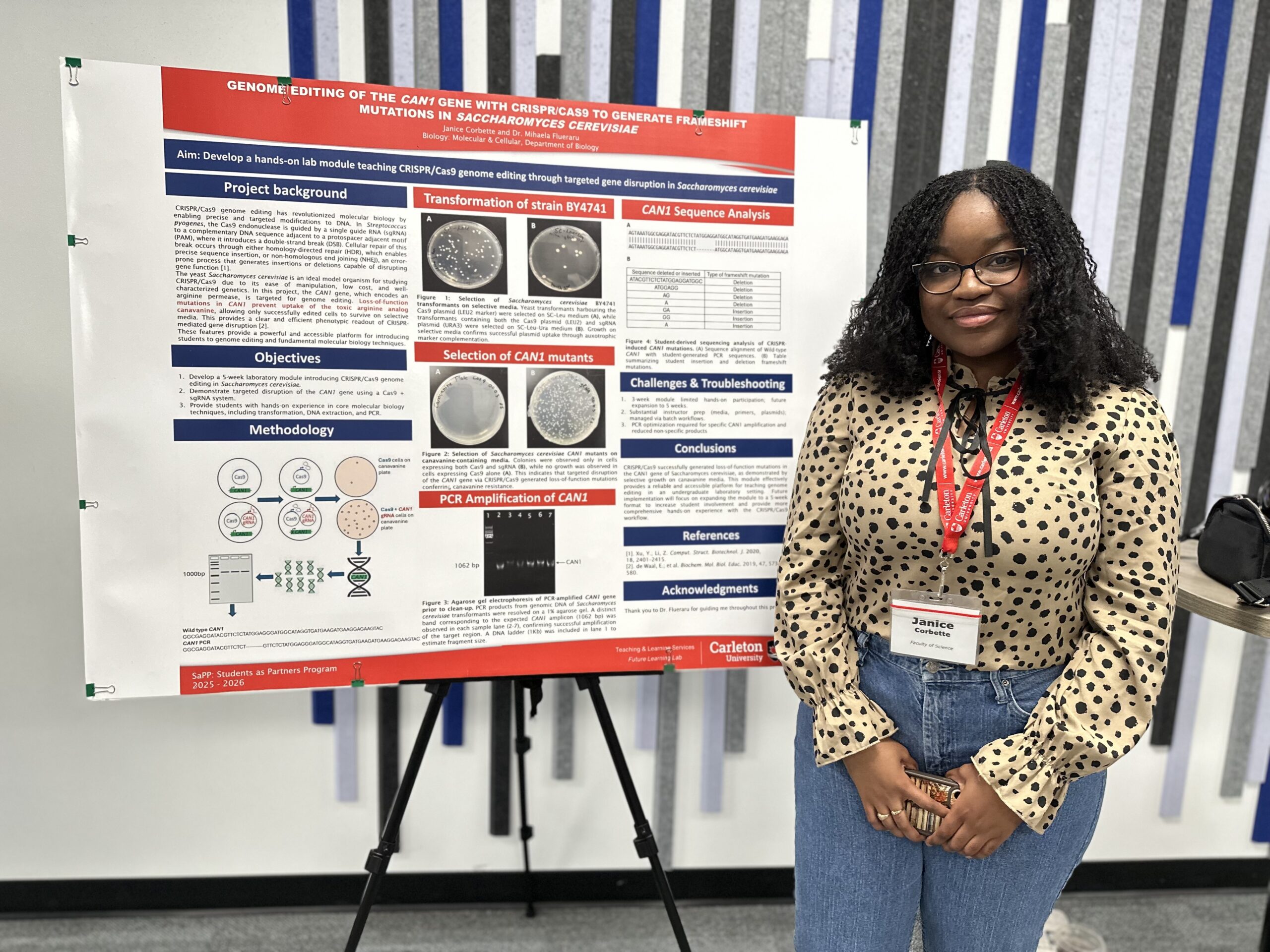
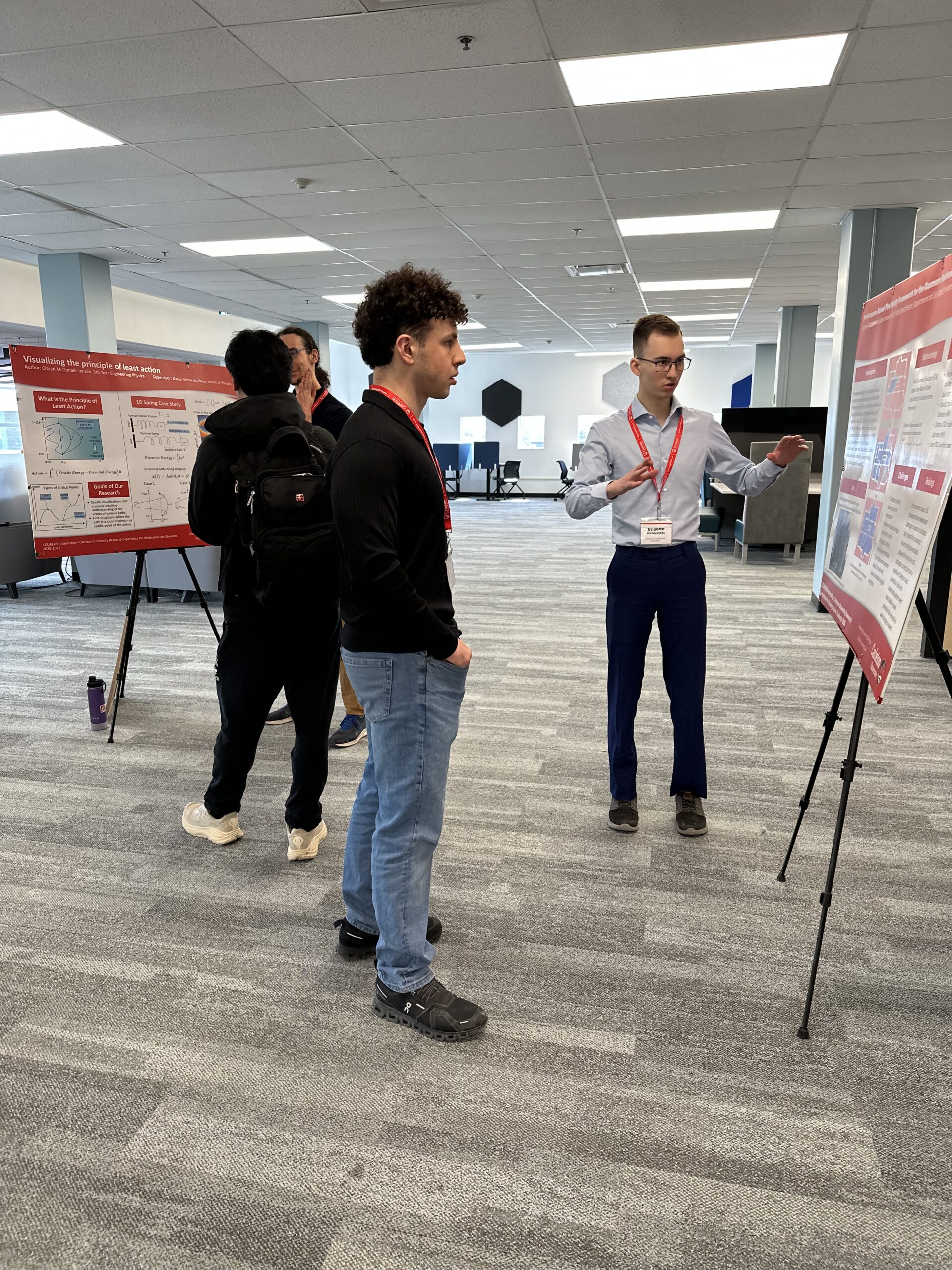
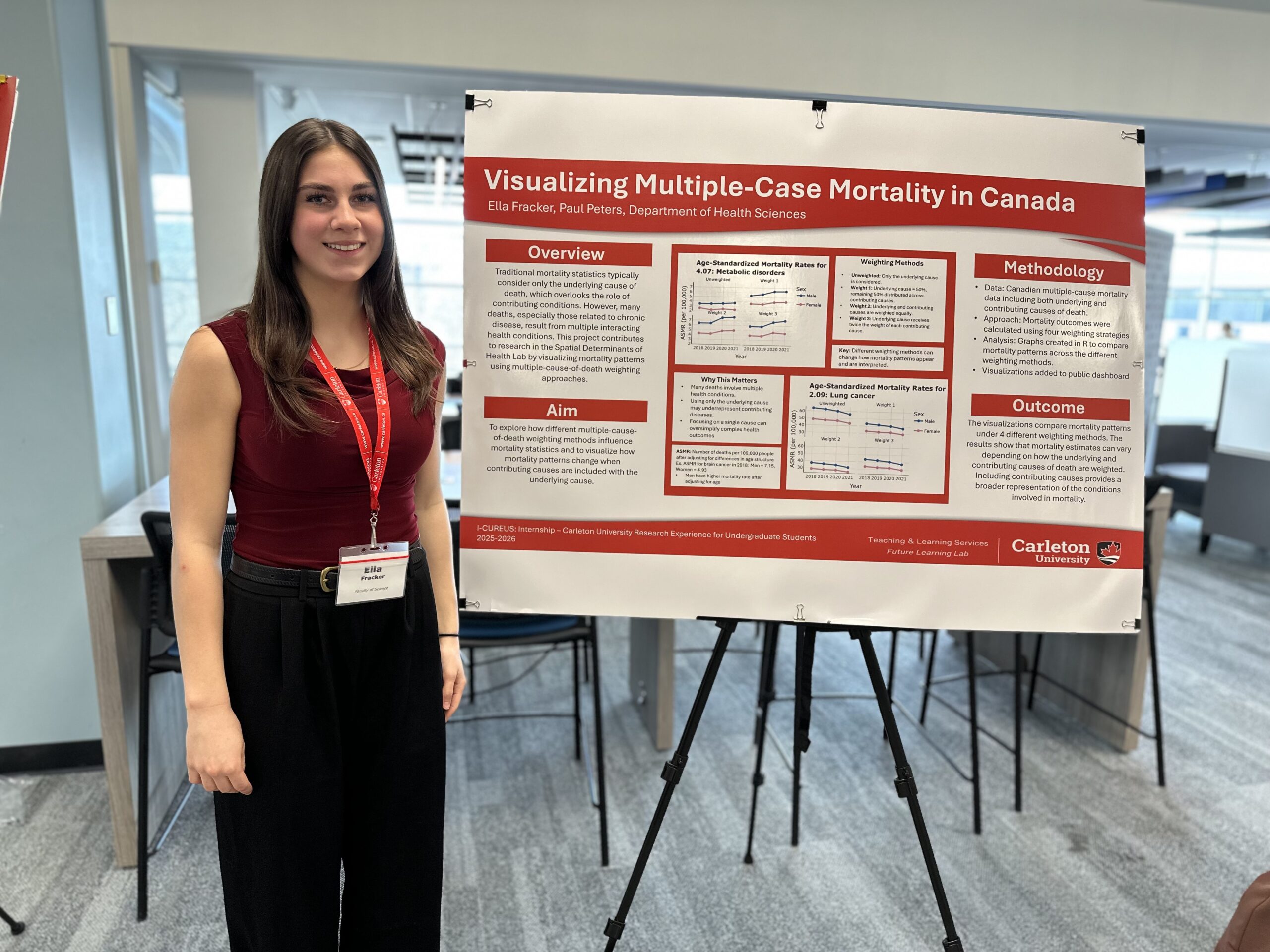
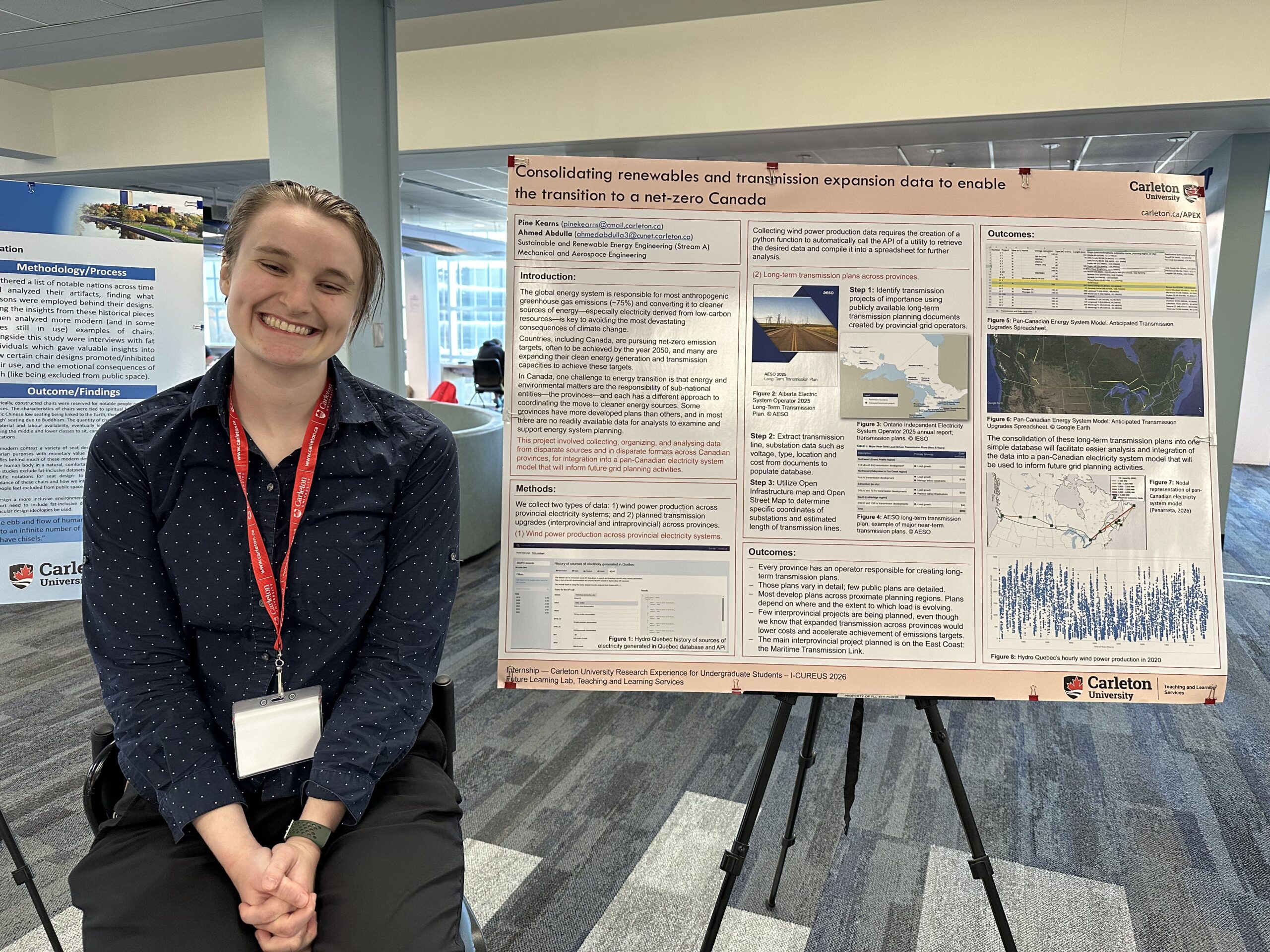
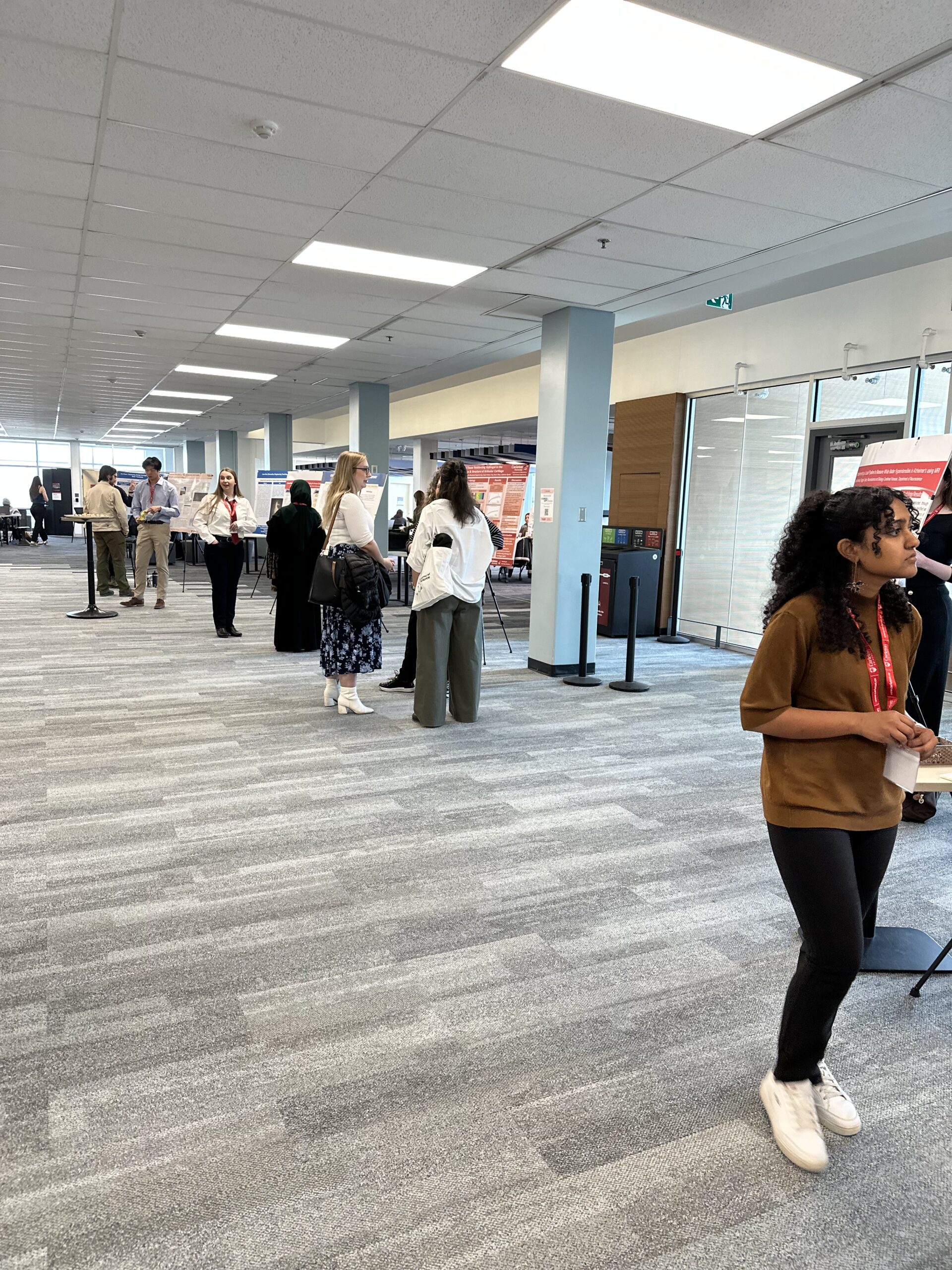
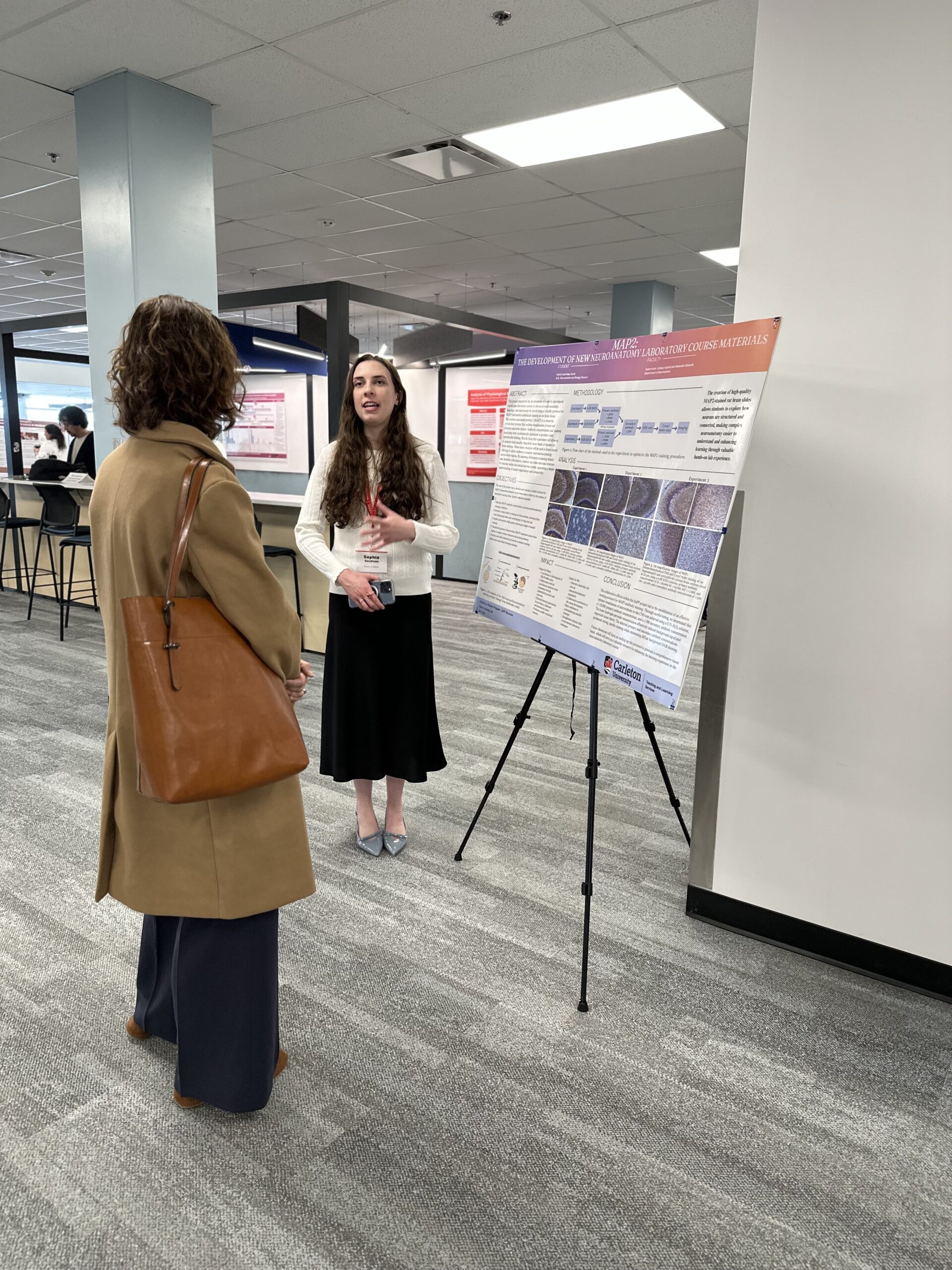
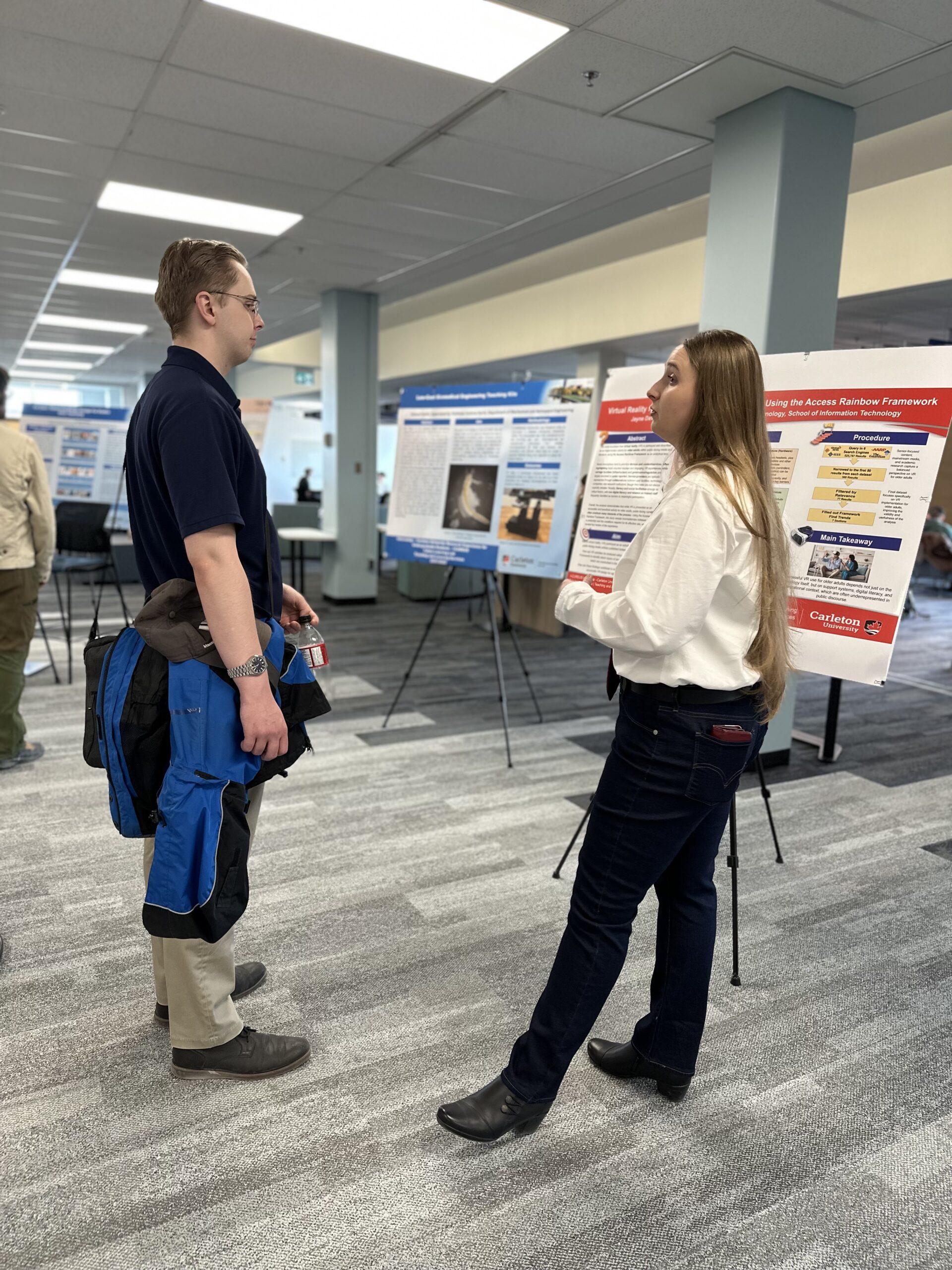
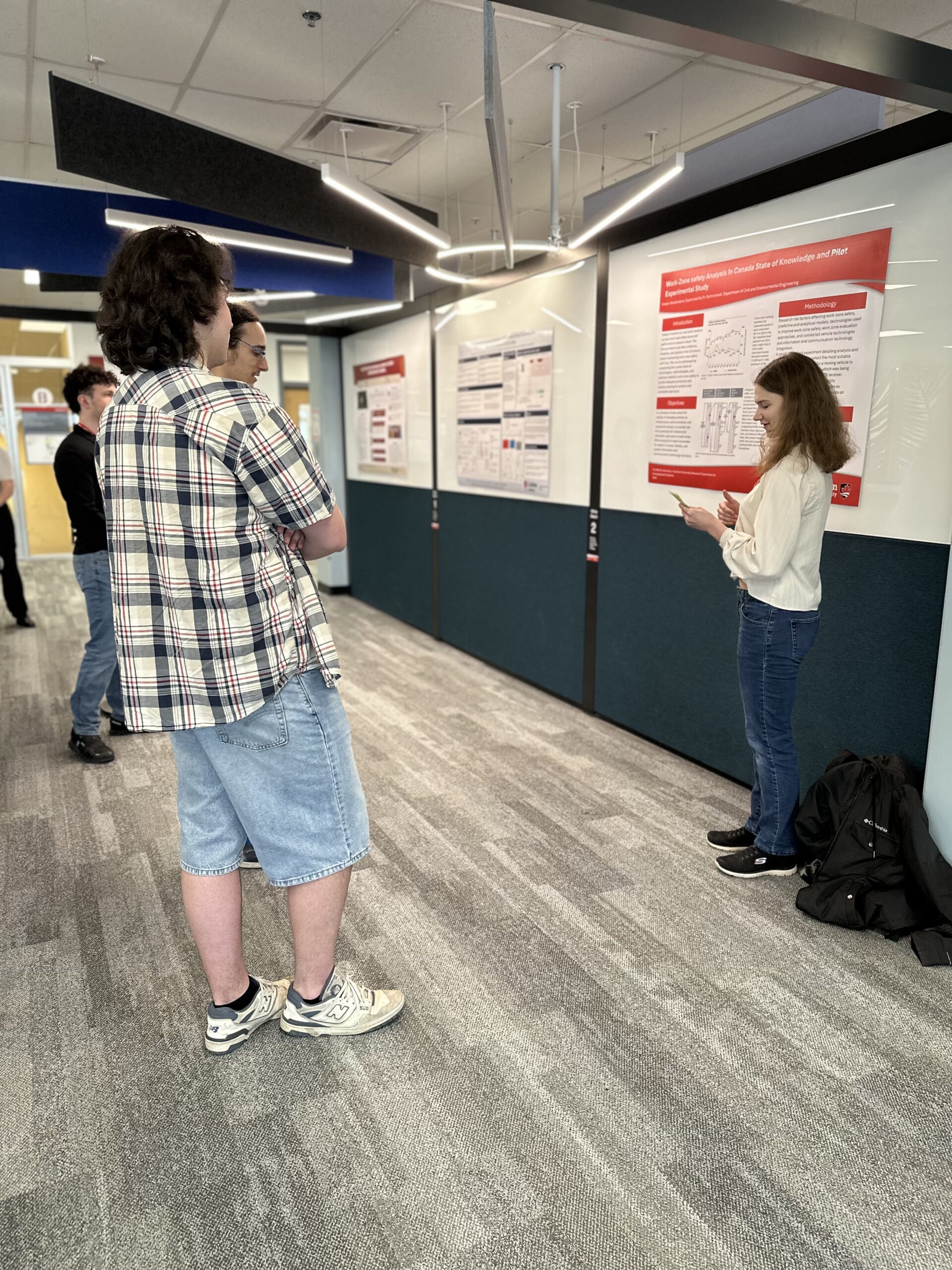
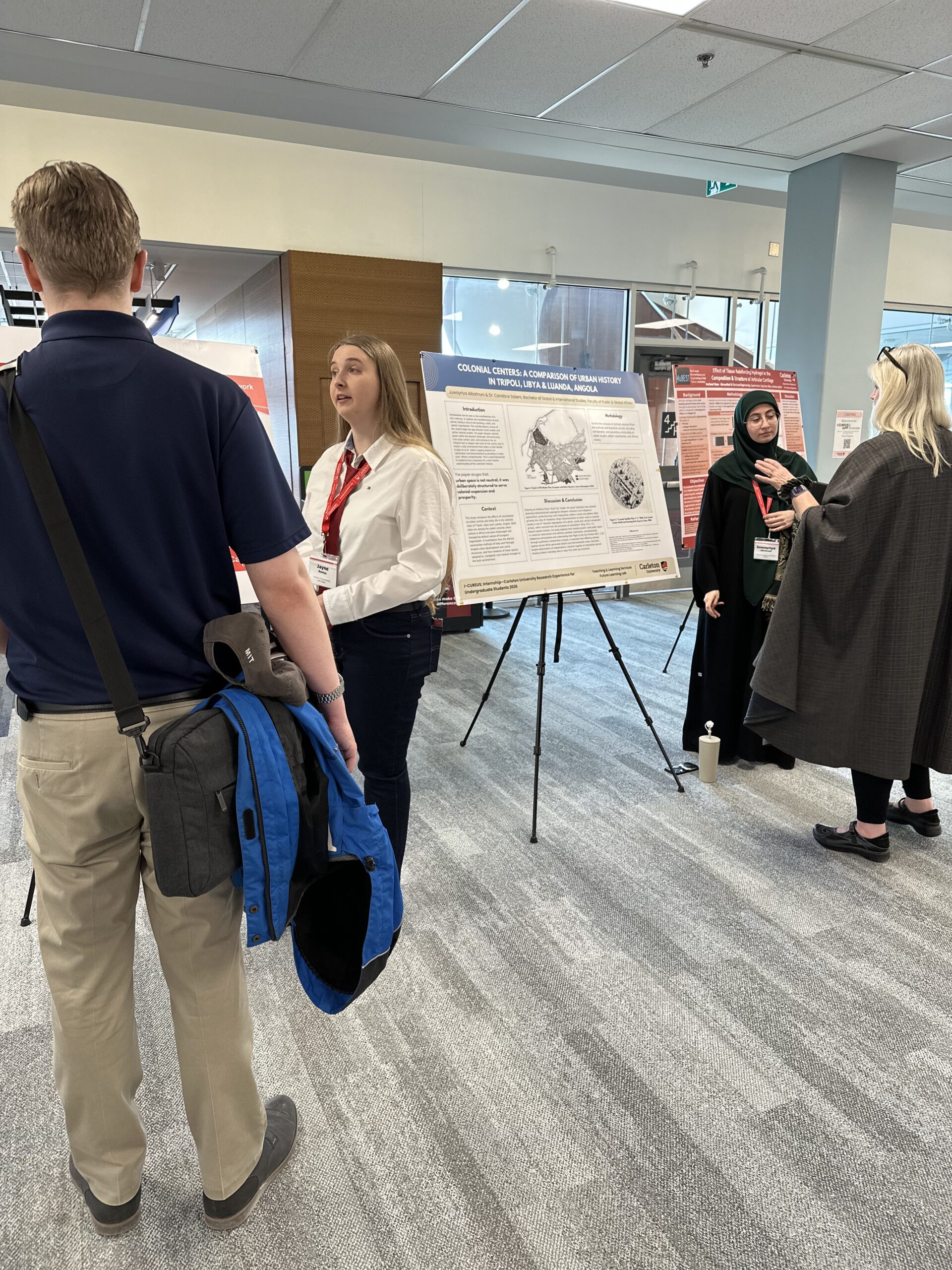
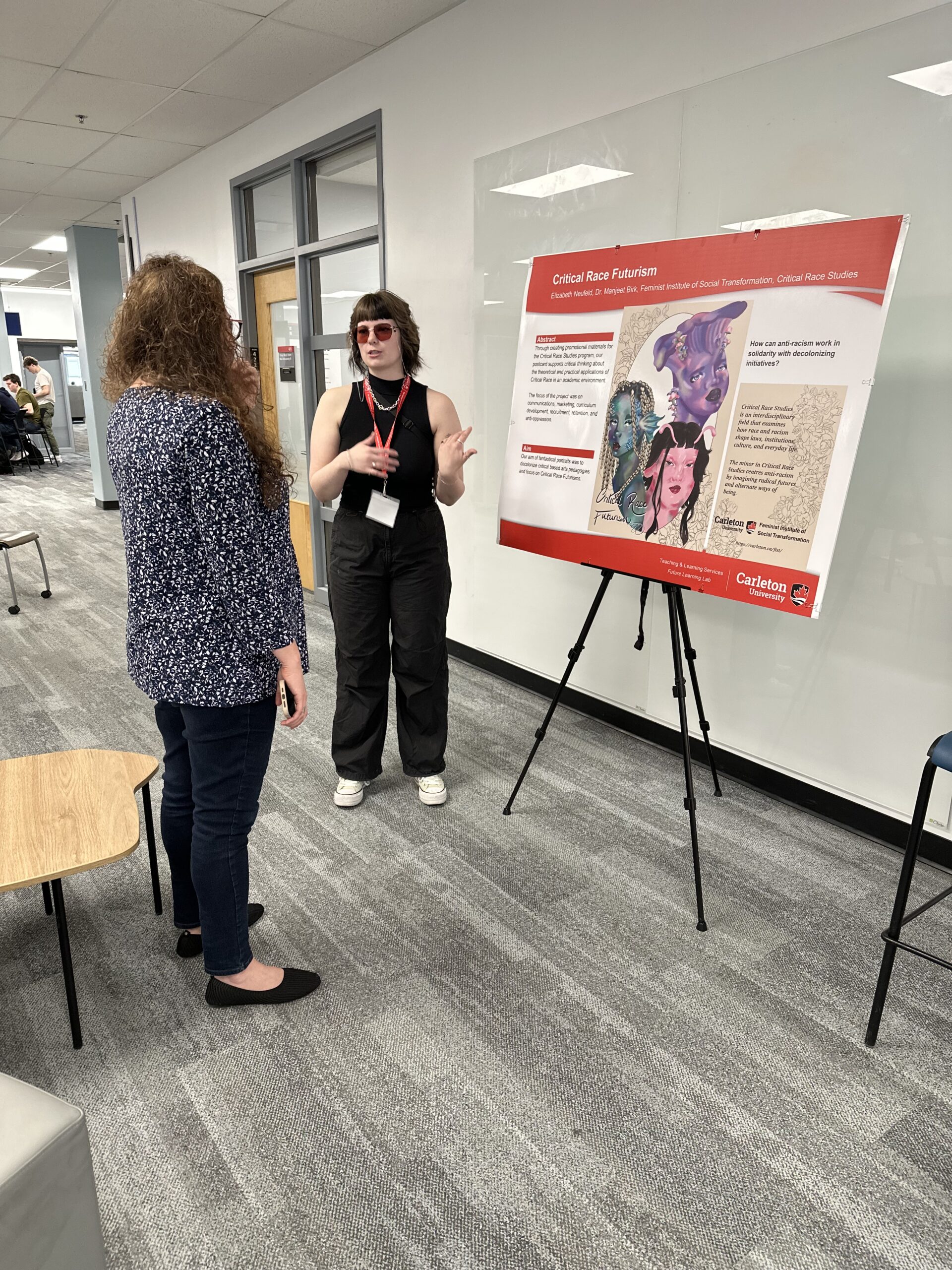
The Carleton community came together on April 9 to celebrate student research and collaborative teaching projects at the 2026 I-CUREUS and SaPP Showcase.
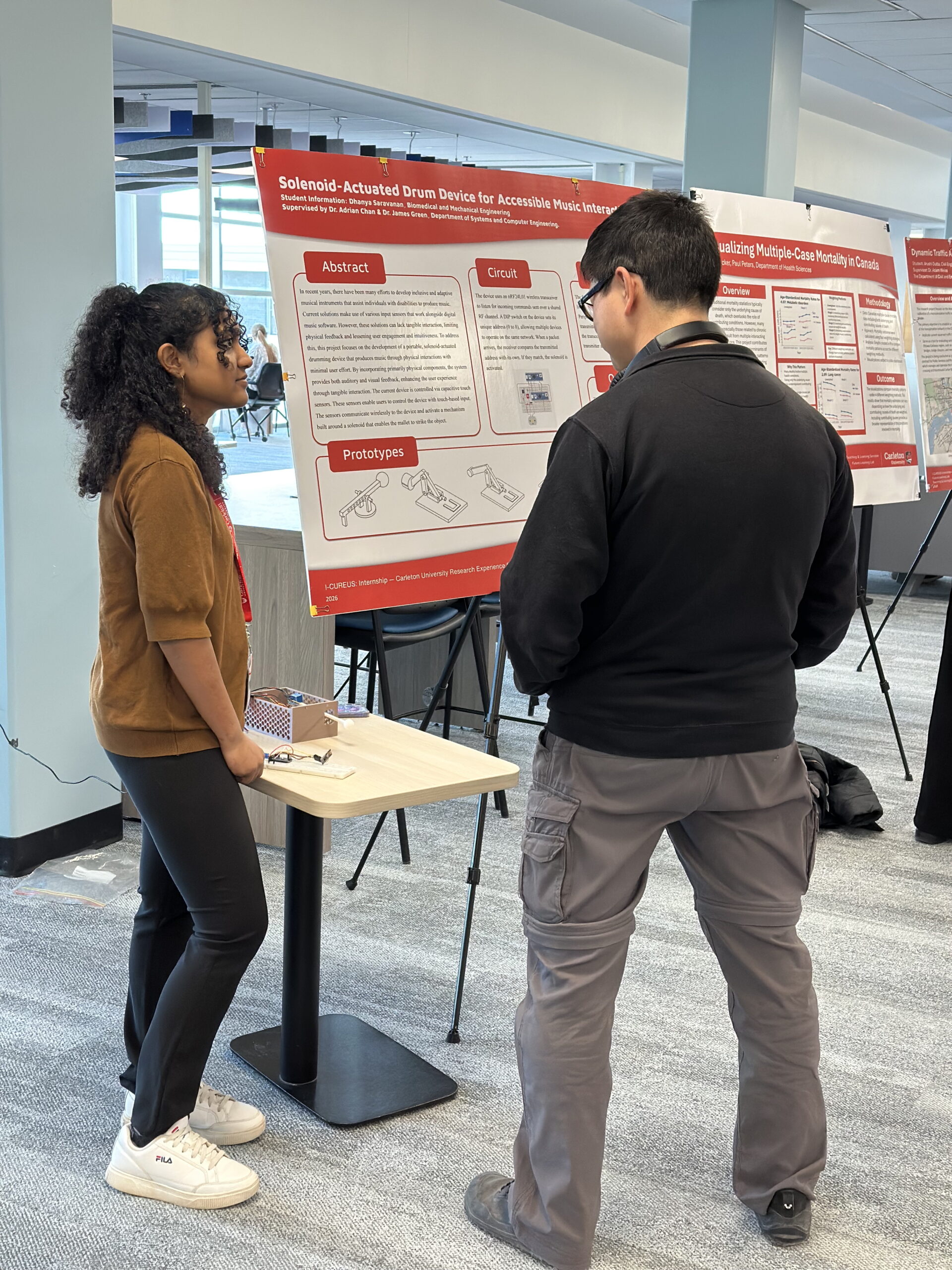
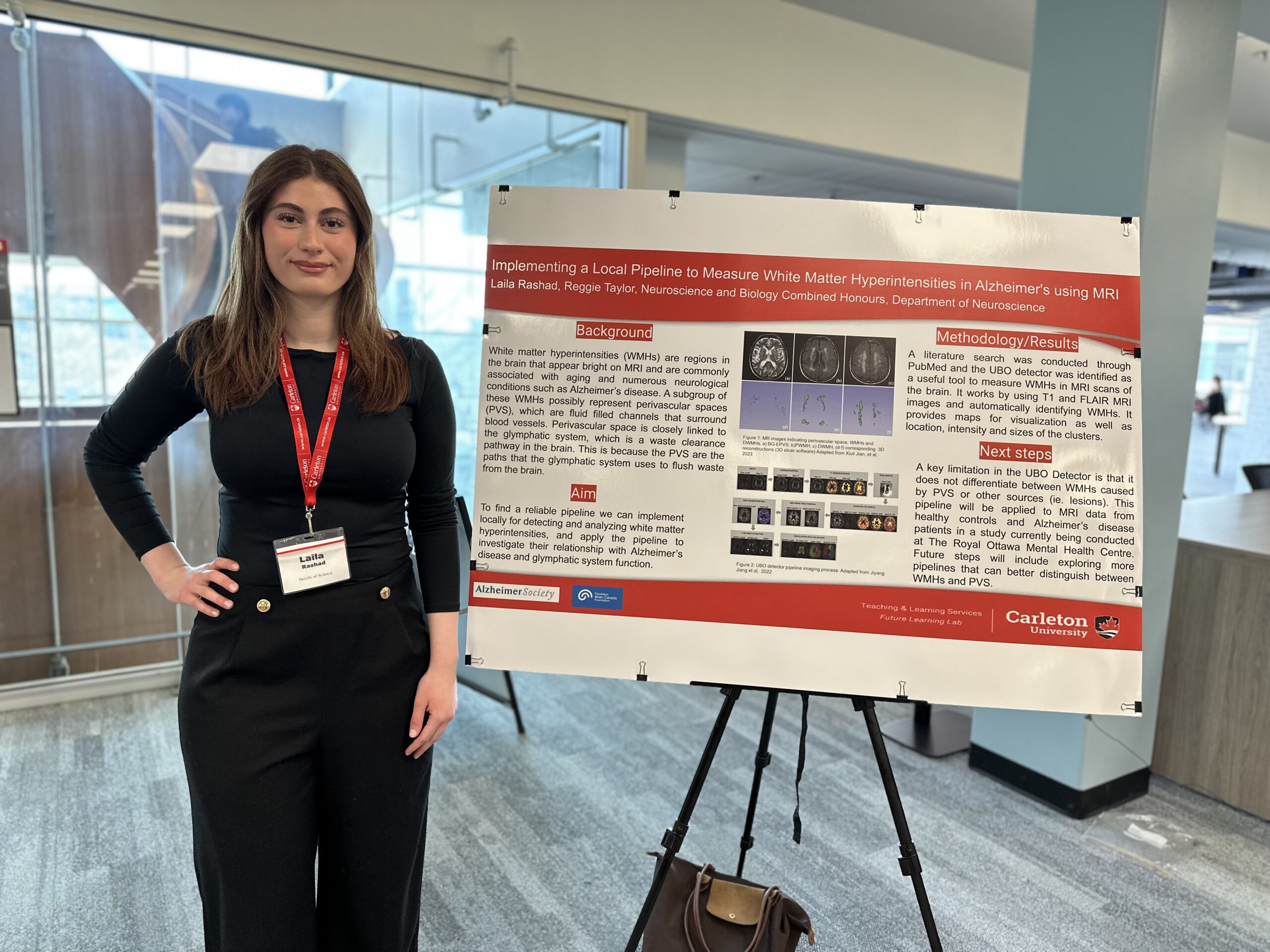
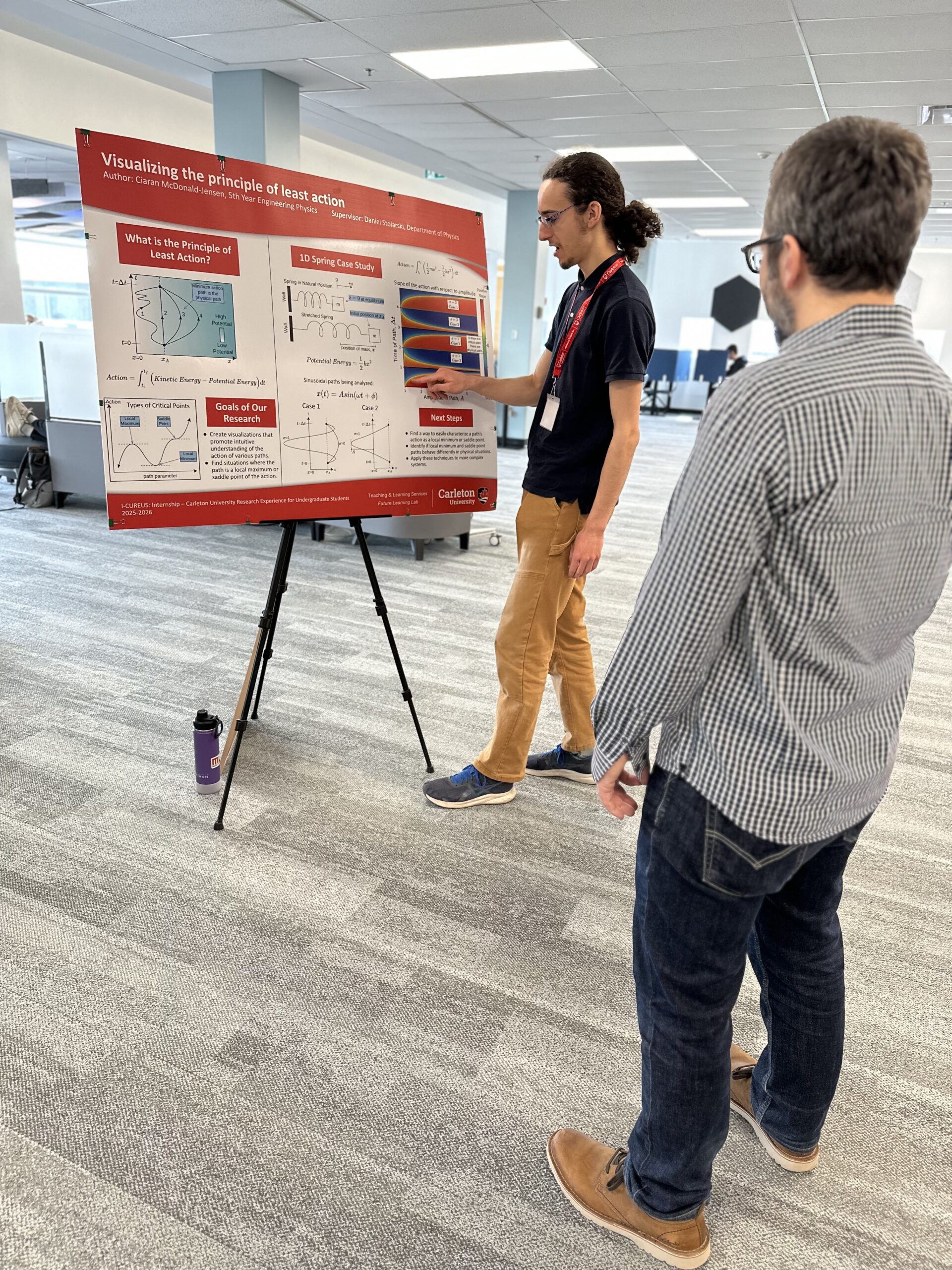
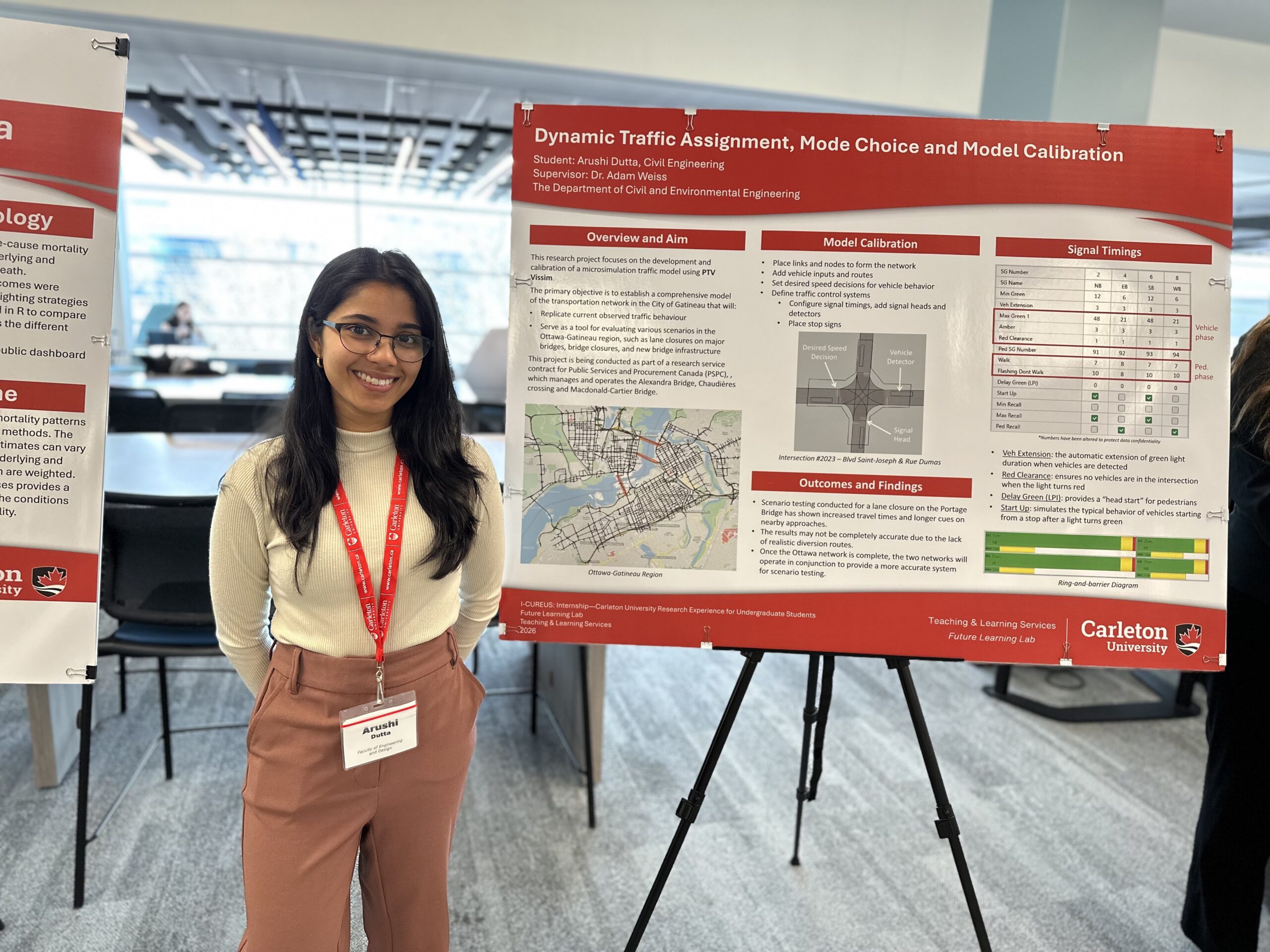
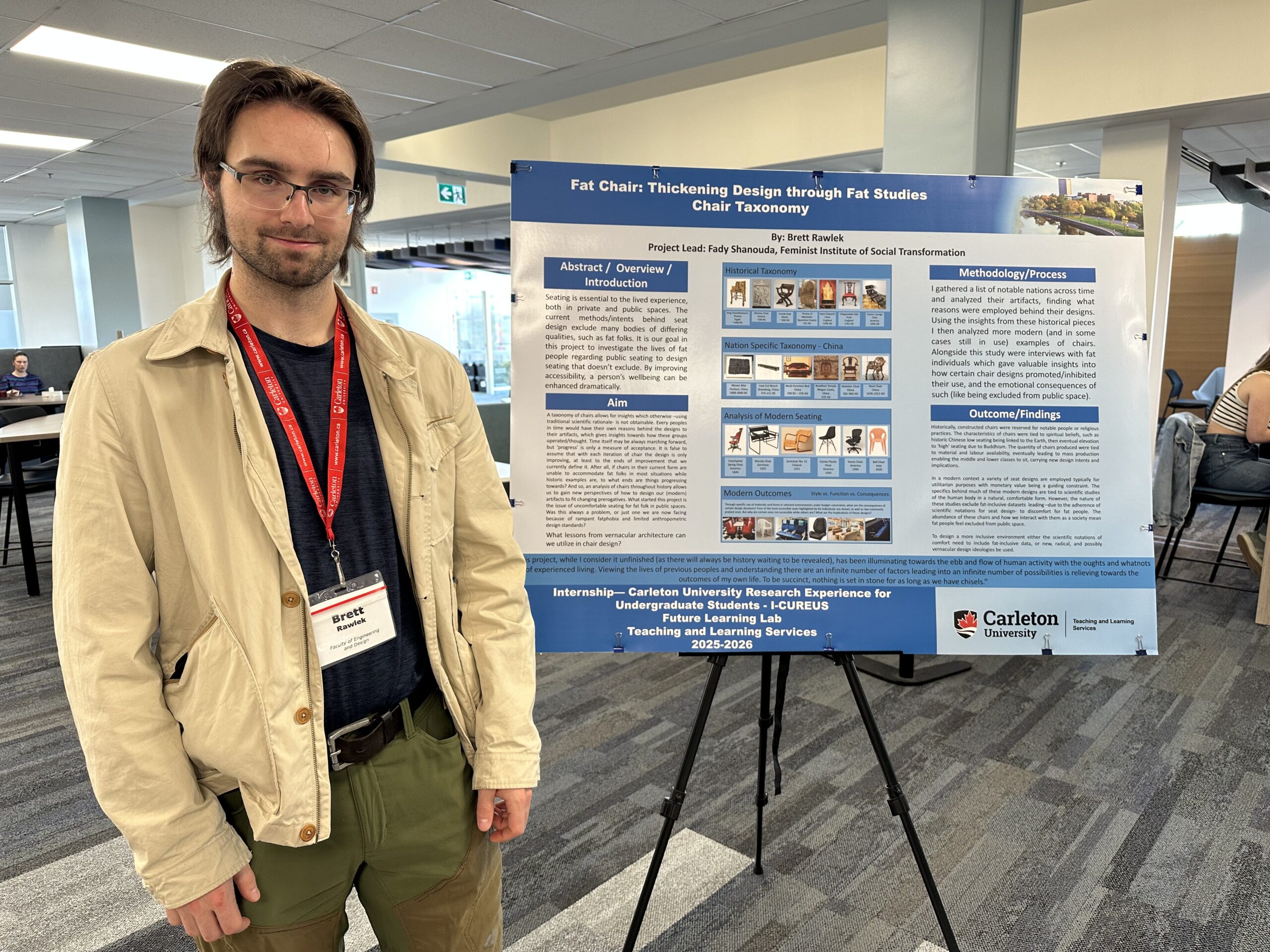
The annual event provides an opportunity for students who participated in the Internship-Carleton University Research Experience for Undergraduate Students (I-CUREUS) and Students as Partners Program (SaPP) to share their work and celebrate their achievements.
This year, 30 undergraduate students participated in the showcase, highlighting their projects, showcasing their skills and how they applied their disciplinary knowledge in an impactful way.
SaPP
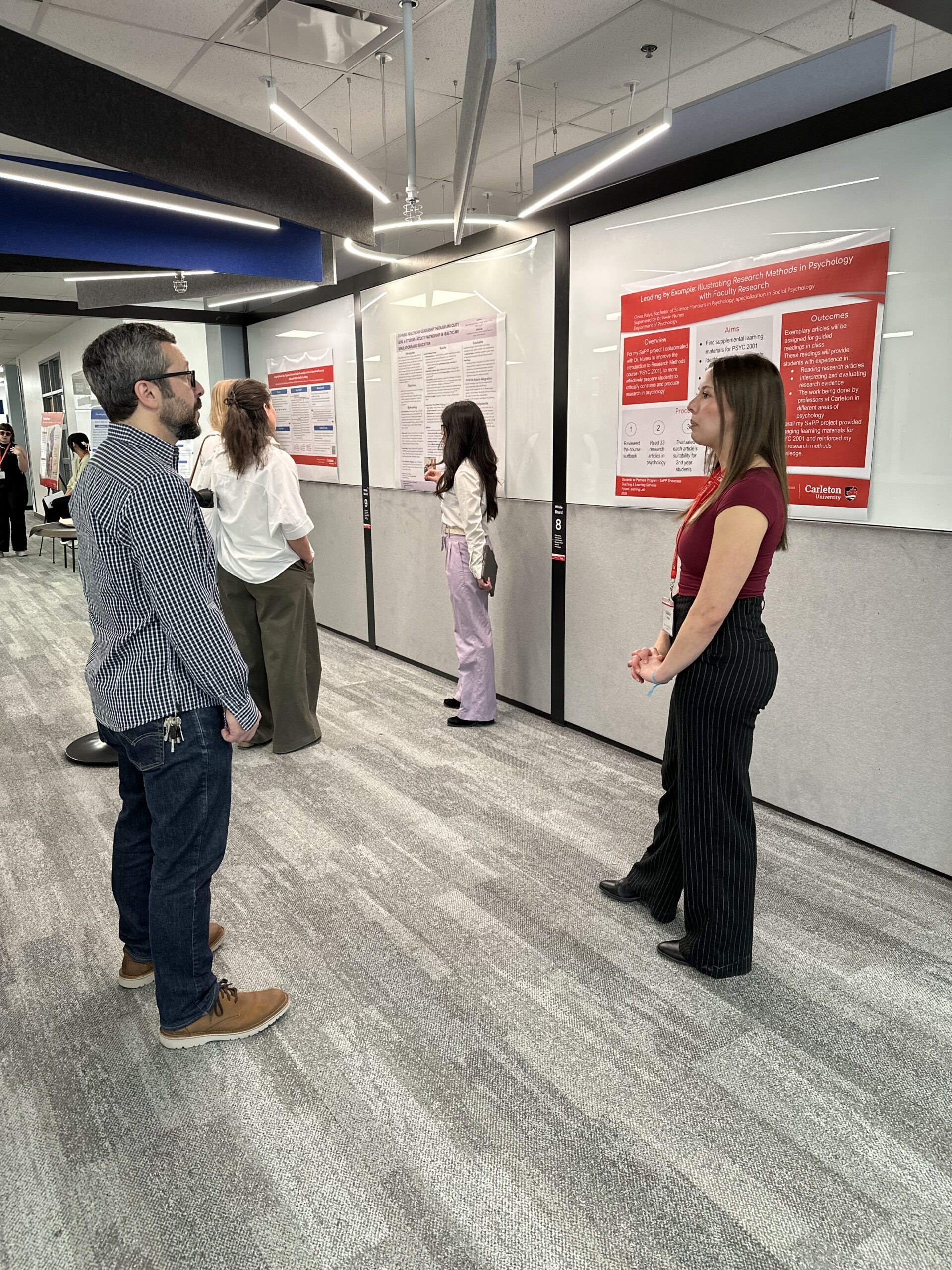
Students in SaPP gain hands-on work experience by collaborating with instructors, librarians and teaching support staff on course design.
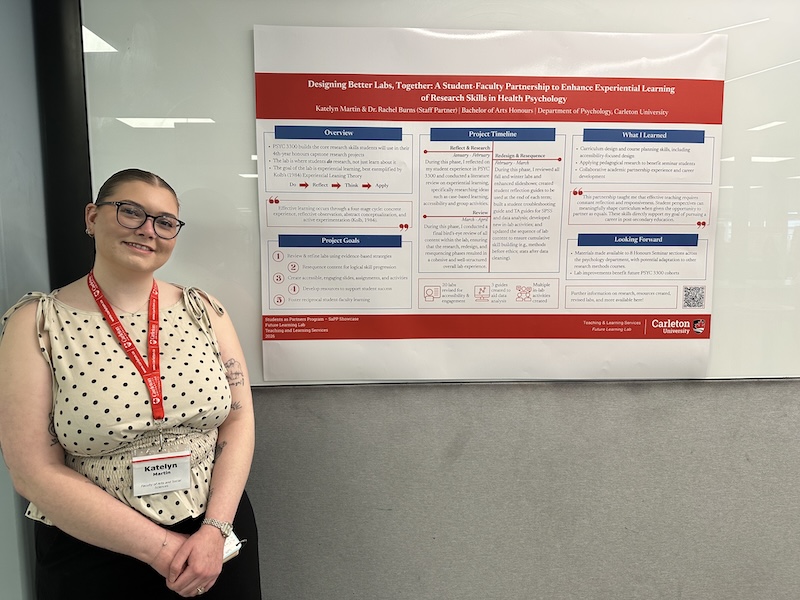
Fourth-year psychology major Katelyn Martin partnered with Prof. Rachel Burns to streamline content in a third-year health psychology lab with the goal of engraining research skills in students.
Martin had previously taken the course and was able to conduct a review from a student’s perspective. She gained hands-on experience and transferable skills in many aspects of course design, from conducting a literature review to updating slideshows with enhanced accessibility and creating learning guides for students and teacher guides for the TAs who lead the lab.
“When [Prof. Burns] approached me with this idea, I thought back to my experience and how much I valued the guidance that I had in the lab and how much I think that that laid the foundation for my fourth-year thesis,” she says. “It was really interesting to me to hopefully help future generations of people taking the class to actually feel empowered like I did and hopefully help to improve their experience.”
Martin’s career goal is to teach, and she’ll be starting her master’s in the fall. From going through the course design process and seeing how decisions were made, she says her experience in the Students as Partners Program will be a perfect complement to the TAship she’ll be doing.
“Being able to experience this as an undergrad and having the extra support of working with a staff member to shape some ideas, I’ll be able to really think about it more independently once I’m doing a TAship in the fall and starting my masters,” she says.
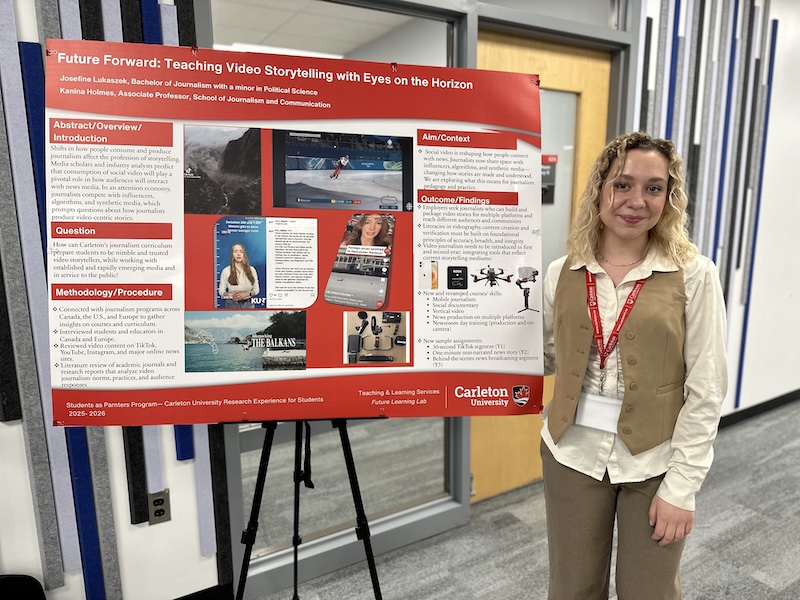
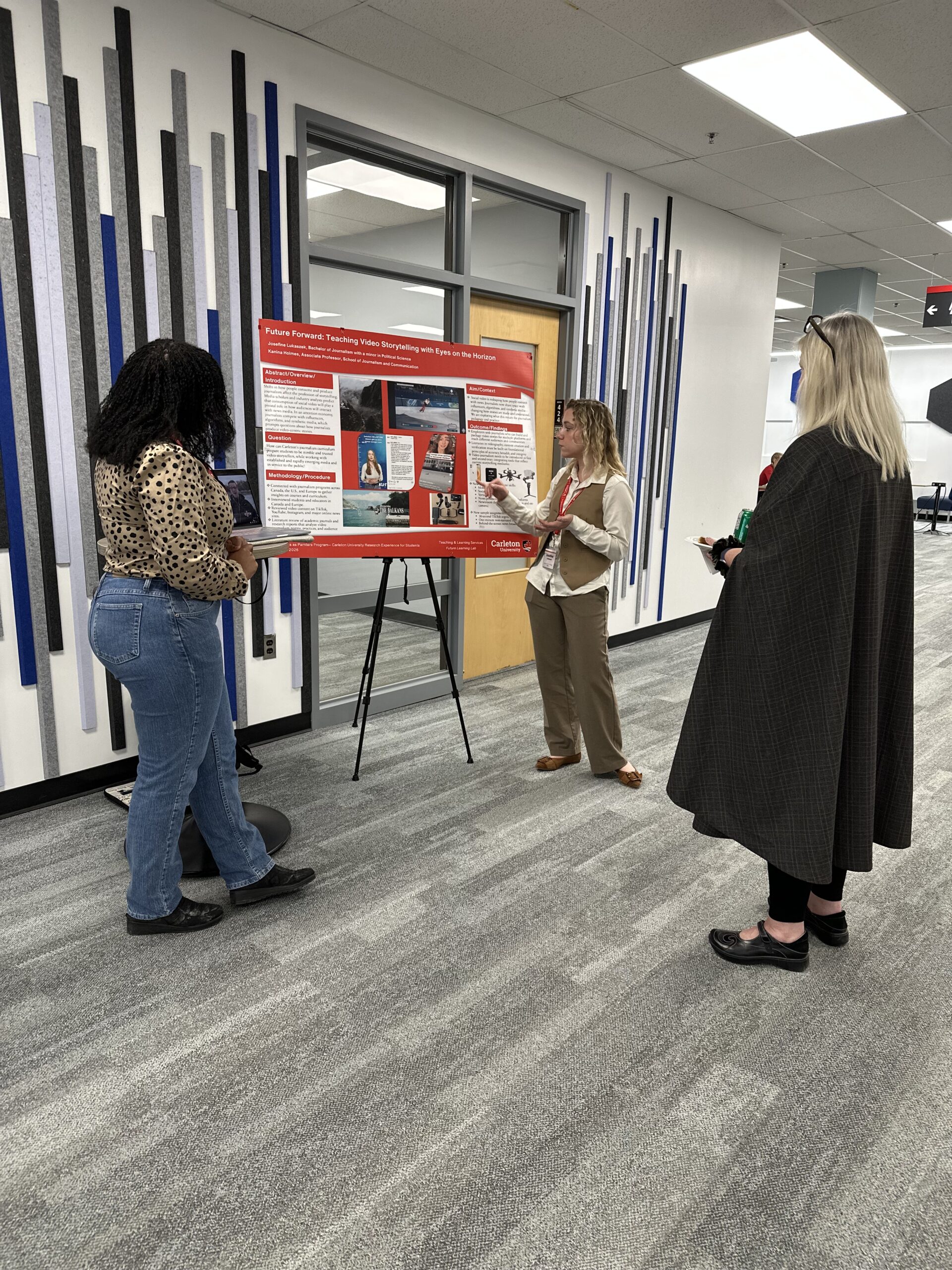
Third-year journalism student, Josefine Lukaszek, partnered with Prof. Kanina Holmes to explore how Carleton’s journalism program can better prepare students to enter the field as video journalists, working with both established and emerging media. They compared Carleton’s current curriculum with offerings at other post-secondary institutions and surveyed job postings to identify the skills expected from recent graduates.
“Coming together and learning how to continuously adapt to changes in the field is so important,” Lukaszek says. “We compete with algorithms, TikTok and other storytellers who aren’t necessarily very factual, and that’s something that we need to continue pursuing and learning how to adapt to, so journalism is still remaining prevalent and factual even among all of those changes.”
Following her experience, Lukaszek says she would tell anyone considering participating in SaPP to go for it.
“There’s only opportunity to learn and so many connections to build,” she says. “It’s very inspiring. I’m standing here and I’m looking at all these smart young students who are doing this work, and I feel inspired. I’m so happy to be a part of it.”
I-CUREUS
Students in I-CUREUS conduct research in their program or an area of interest. In the process, they build connections and gain exposure to research techniques.
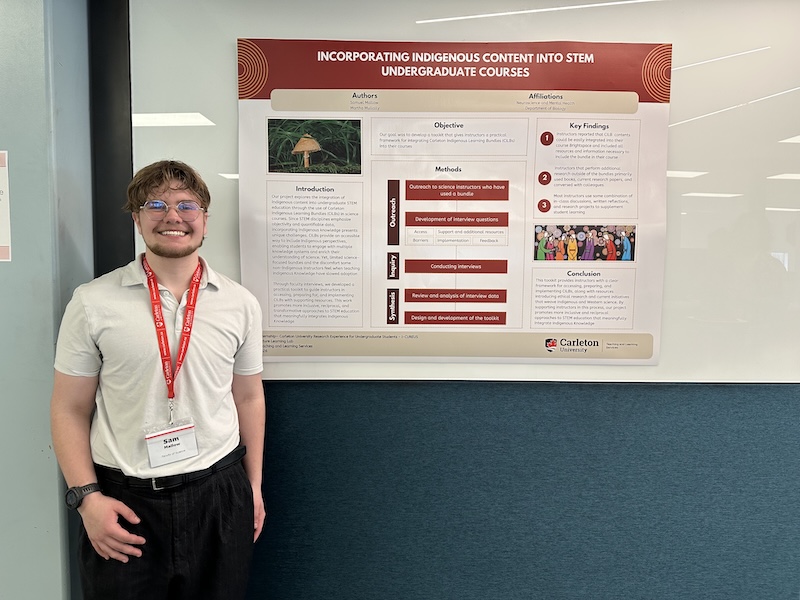
Sam Mallow worked with Prof. Martha Mullally to examine the integration of Indigenous Knowledge into undergraduate STEM courses through the Collaborative Indigenous Learning Bundles. Through interviews with professors, they identified barriers and successful strategies for implementing the Bundles and then developed a practical toolkit to support instructors with incorporating Bundles into their own courses.
Mallow was particularly interested in this project after taking the Maternal and Child Health Bundle in a course last year. He says he realized there was so much he didn’t know and so much that could be applied to his own program. He wanted to make sure other students could access the information in the Bundles because it had been so beneficial to his own learning.
Looking ahead, Mallow says he thinks this I-CUREUS experience will benefit his career goals by helping him understand how to weave principles of Western science together with Indigenous science.
“I’m hoping to go into health care and I think understanding things like that would help me be able to generate different kinds of research ideas from my peers and just approach medicine in a way that I hope will be really beneficial to any patients that I work with,” he says.
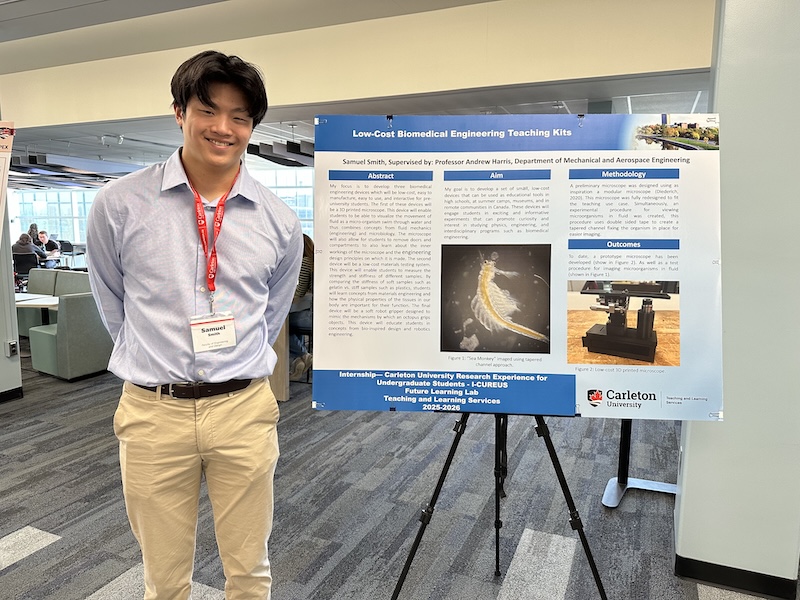
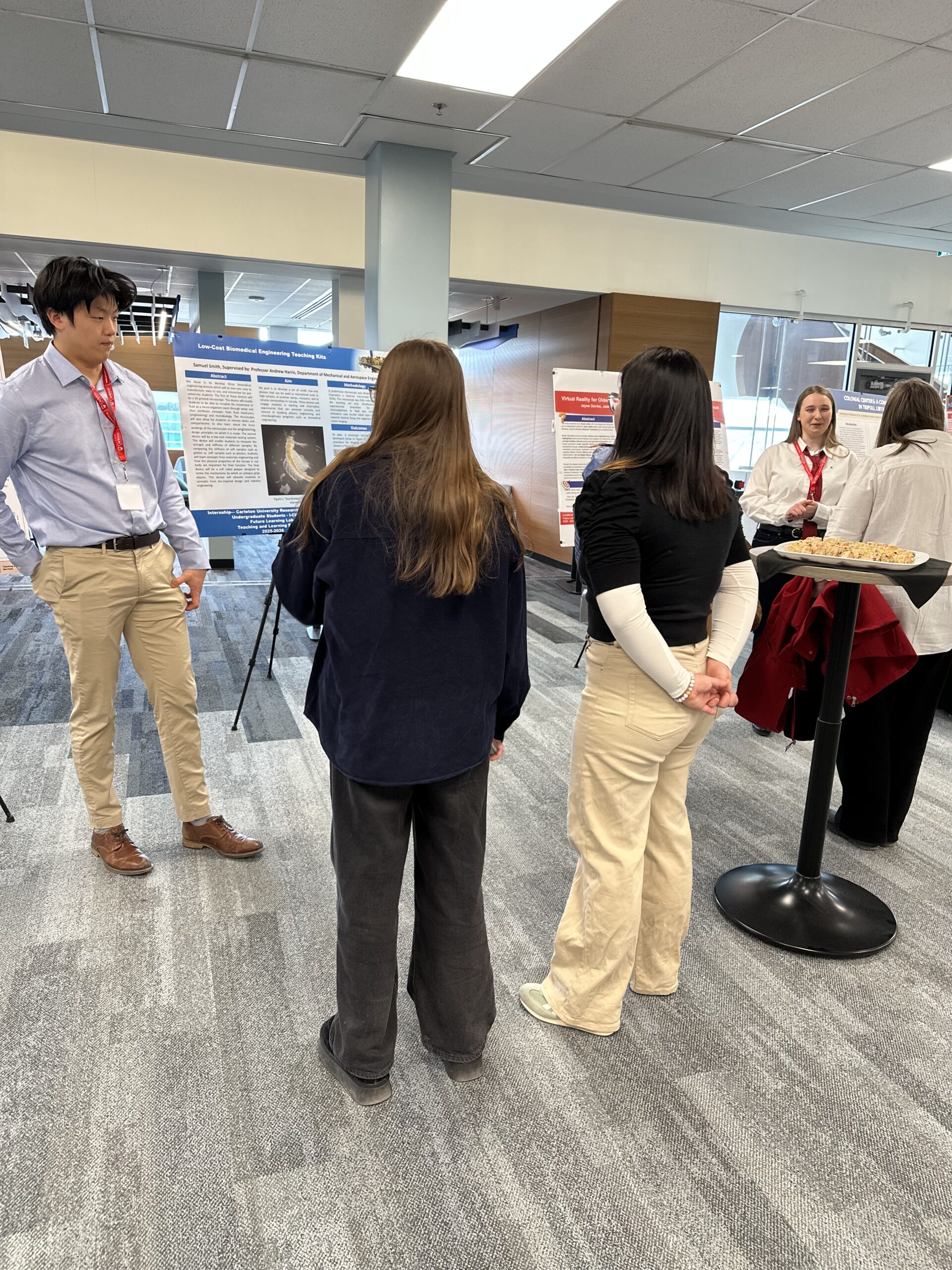
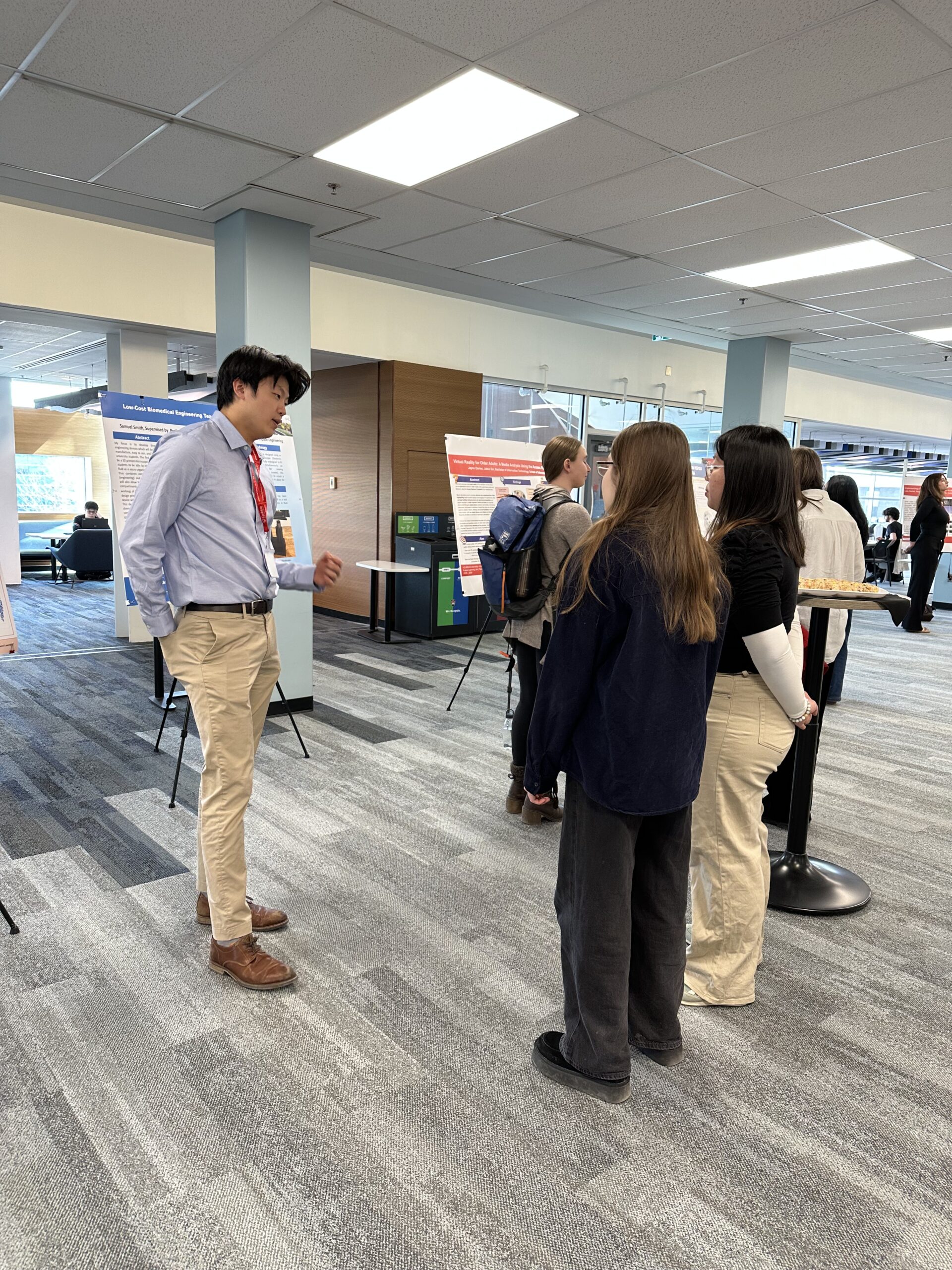
Biomedical and mechanical engineering student, Samuel Smith, worked with Prof. Andrew Harris to develop three low-cost teaching devices that are easy to manufacture. The devices can be integrated in high schools, summer camps, museums and remote communities in Canada, with the goal of promoting curiosity in studying physics, engineering and biomedical engineering.
Harris is Smith’s capstone professor, and he flagged this project as something that might interest the fifth-year student. Smith founded a biomedical engineering design team at Carleton, BioCARE, with the goal of engaging more people in biomedical engineering, so this project aligned perfectly with what he was trying to achieve.
Looking towards his career, he says the experience in I-CUREUS has been helpful in gaining hands-on experience, learning about research methods and seeing the design process from start to finish.
“I think any practical experience is super valuable,” he says. “With research projects…it teaches you to think critically and solve problems as you go along. You need to think on the fly and come up with different solutions for very specific problems.”
Browse through the showcase program to learn more about the projects presented at this year’s event.