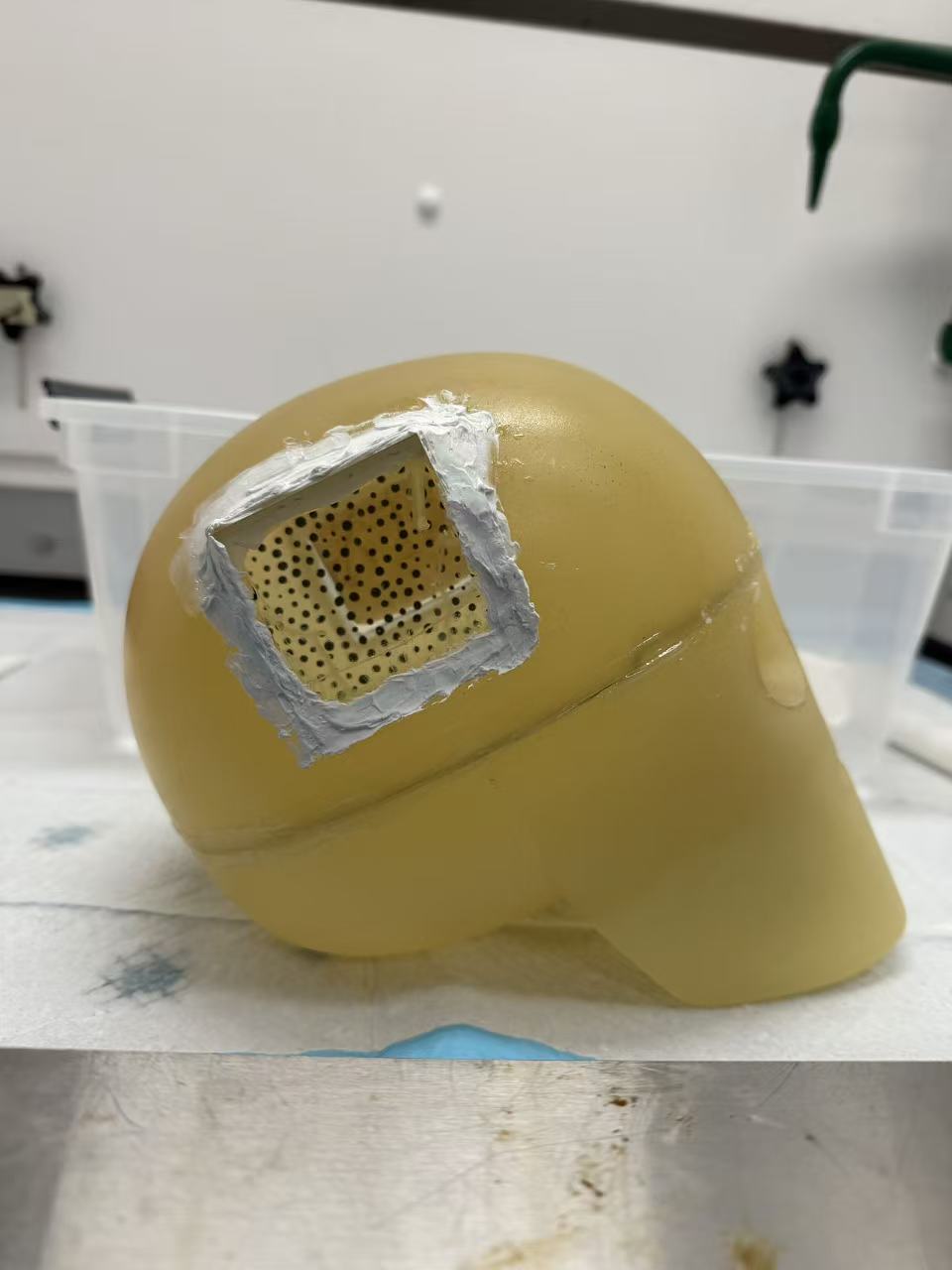
Intracranial strain measurements under breacher-level blast exposure
Military and law enforcement personnel, such as breachers, may experience repeated exposure to low-level blast waves during training and operations. Concerns have been raised that these exposures could contribute to brain injury over time, but the biological mechanisms responsible remain unclear.
One proposed cause of blast-related brain injury is stretching of brain tissue, known as strain, which can damage nerve cells when it reaches sufficiently high levels. In this study, Carleton University researchers led experiments to measure the amount of strain produced inside a laboratory model of the head during blast exposures representative of those experienced by breachers.
Using high-speed cameras and advanced image analysis techniques, the team found that strains within the head model were consistently below 0.5%. These values are far lower than strain levels previously associated with disruptions in brain function or damage to nerve fibers. The results also agree with previous computer simulations that predicted similarly low strains under comparable blast conditions.
These findings suggest that tissue strain alone is unlikely to be the primary cause of injury during typical breacher-level blast exposures. Instead, the results point to the need for further research into other possible mechanisms of injury, such as the formation of microscopic cavities within brain tissue, known as cavitation, or other pressure-related effects. Improving our understanding of these mechanisms is important for assessing risk and developing better protective measures for personnel routinely exposed to blast waves.
Read more: https://doi.org/10.1007/s00193-026-01272-6